https://www.africom.mil/syndication-feed/atom/images
×
Exercise Unified Focus 2017 kicks off in Cameroon
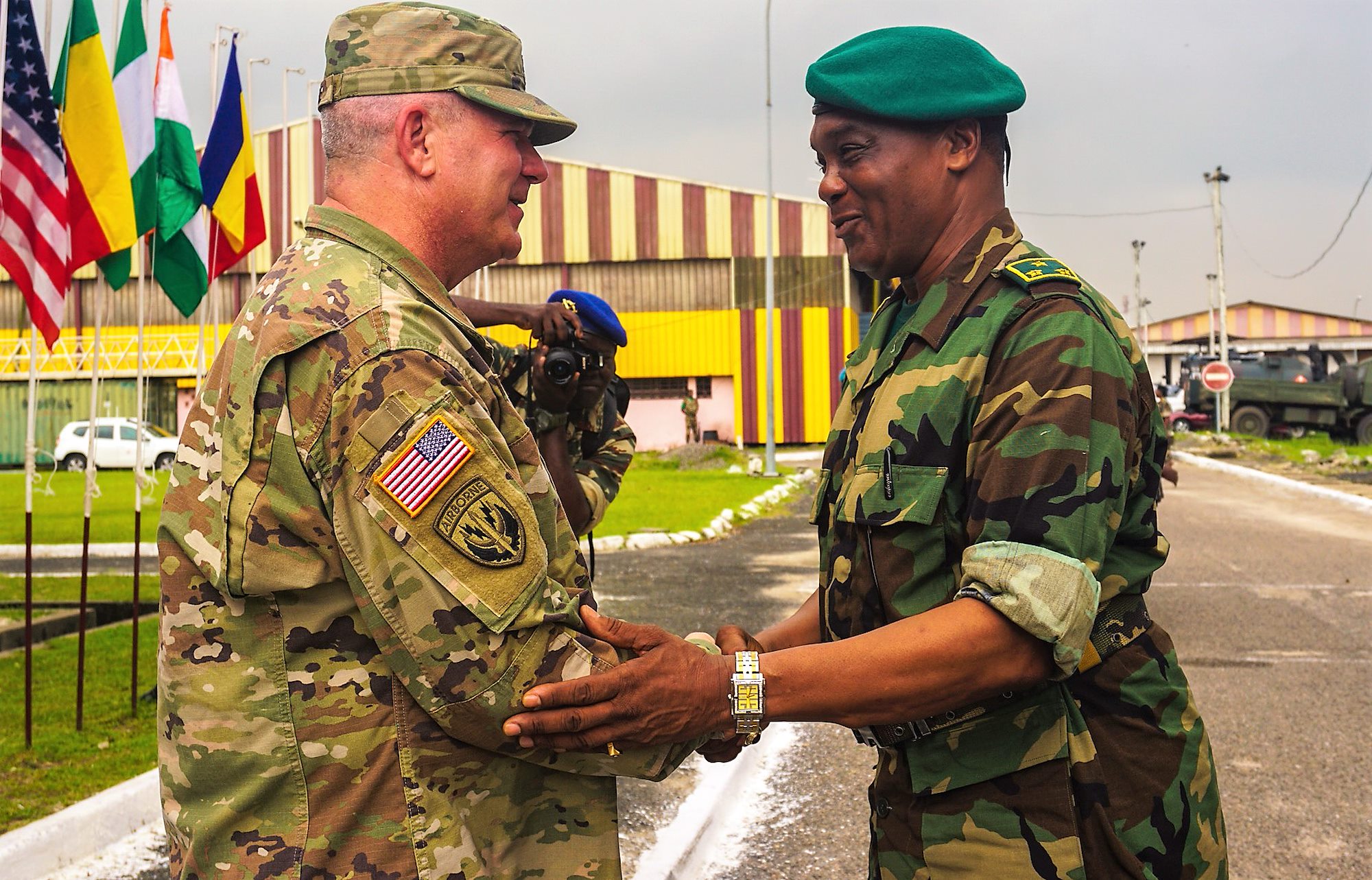
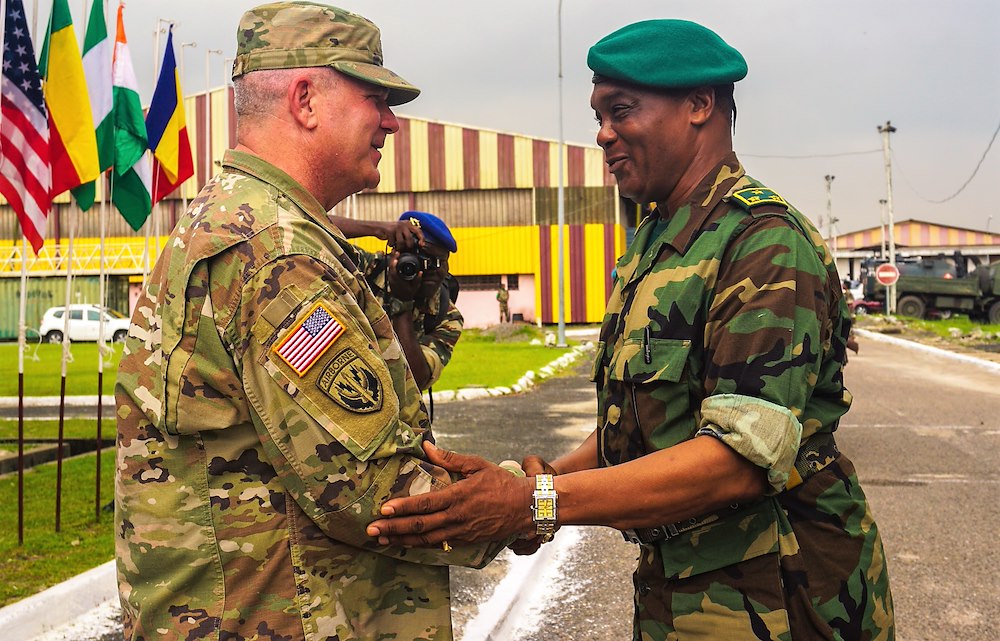
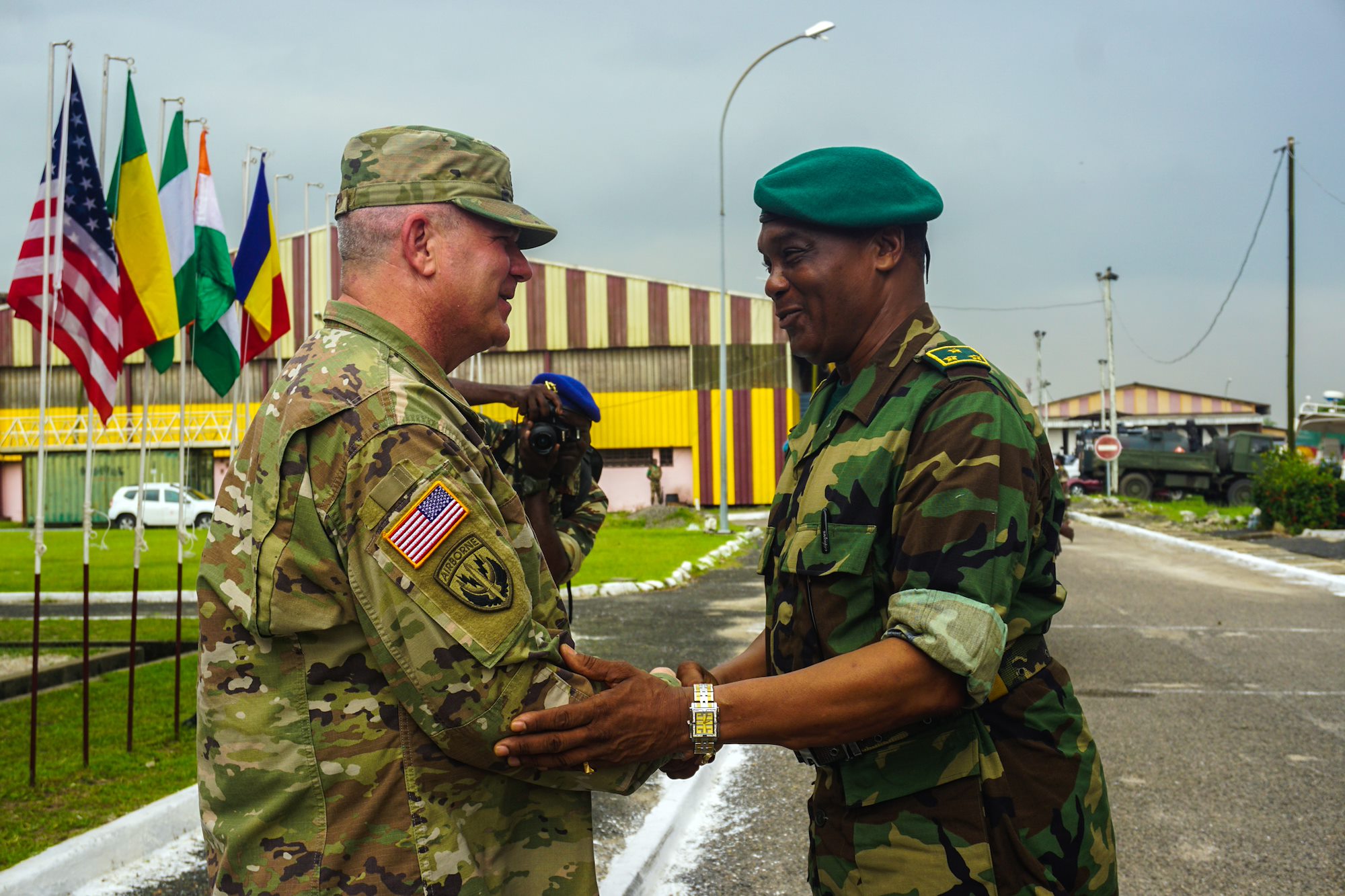
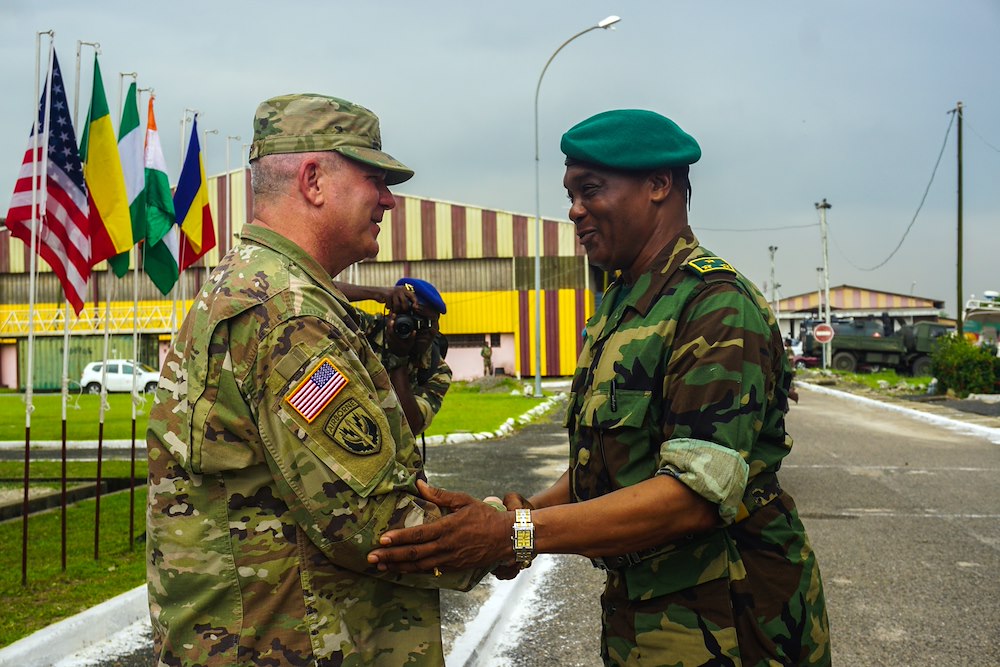
U.S. Army Brig. Gen. Kenneth Moore, U.S. Army Africa deputy commander, greets Cameroonian Maj. Gen. Saly Mohamadou, Commander of the 2nd Military Region of Cameroon, at the opening ceremony for exercise Unified Focus 2017, held on the Douala Naval Base, April 24, 2017. UF 17 is a weeklong tabletop exercise that brings the military partners of the Lake Chad Basin area’s Multinational Joint Task Force (MNJTF) together to practice joint planning and coordination through a series of scripted vignettes. (Photo by Capt. Jason Welch, U.S. Army Africa Public Affairs/Released)
Photo by: Capt. Jason Welch
Exercise Unified Focus 2017 kicks off in Cameroon
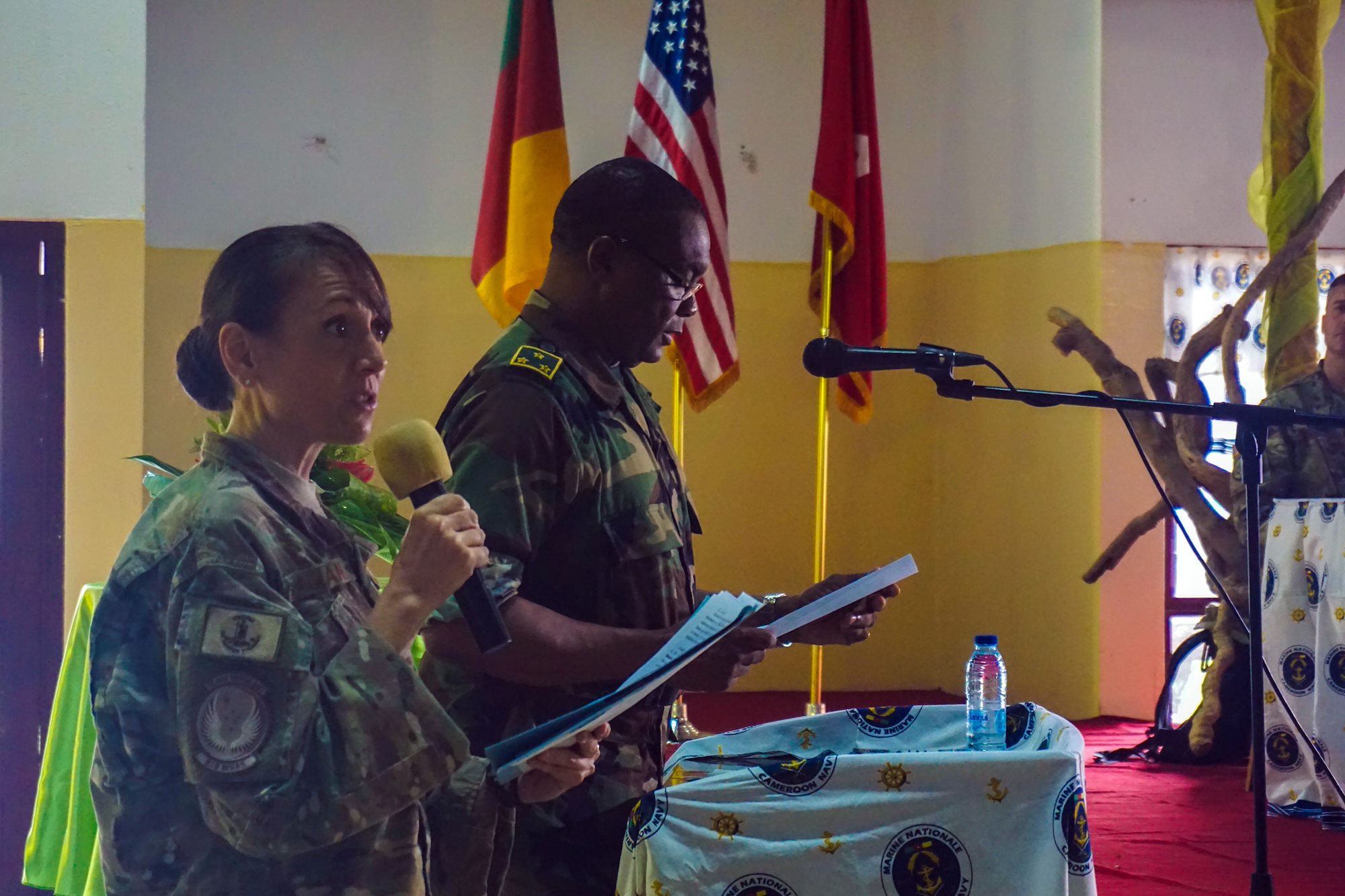
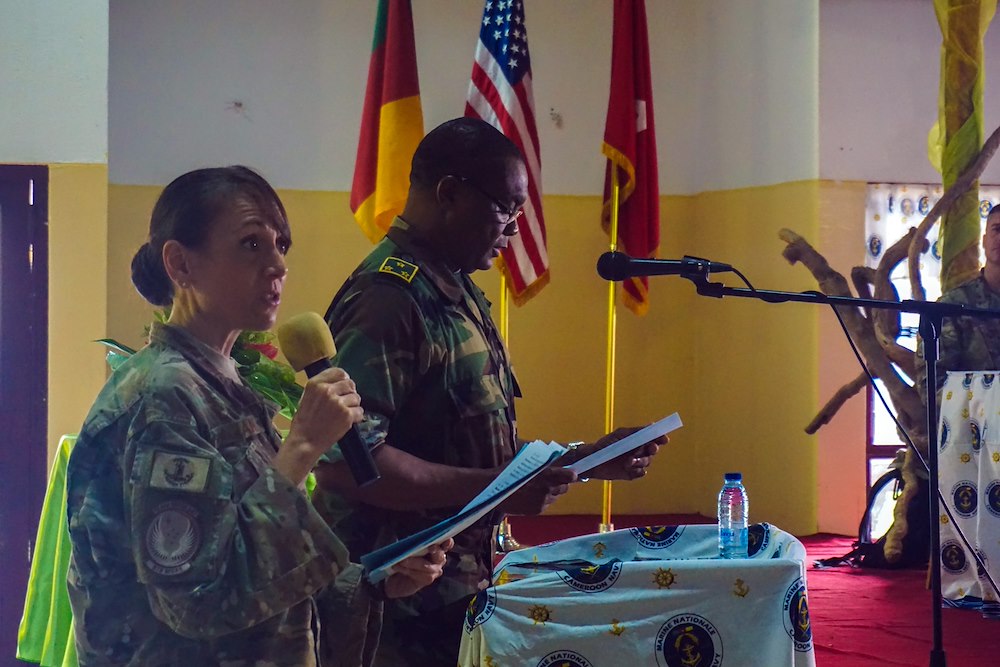
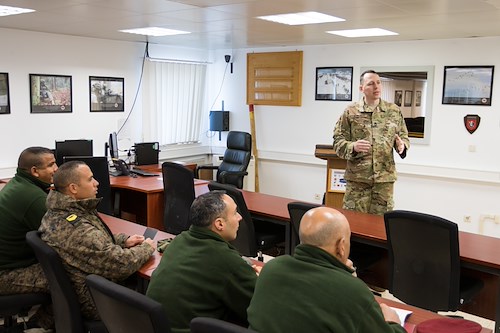
U.S. Air Force Master Sgt. Sarah Balian translates as Cameroonian Maj. Gen. Saly Mohamadou, Commander of the 2nd Military Region of Cameroon, provides his remarks during the opening ceremony for exercise Unified Focus 2017, held on the Douala Naval Base, April 24, 2017. UF 17 is a weeklong tabletop exercise that brings the military partners of the Lake Chad Basin area’s Multinational Joint Task Force (MNJTF) together to practice joint planning and coordination through a series of scripted vignettes. (Photo courtesy of U.S. Army Africa Public Affairs/Released)
Photo by: Capt. Jason Welch
Exercise Unified Focus 2017 kicks off in Cameroon
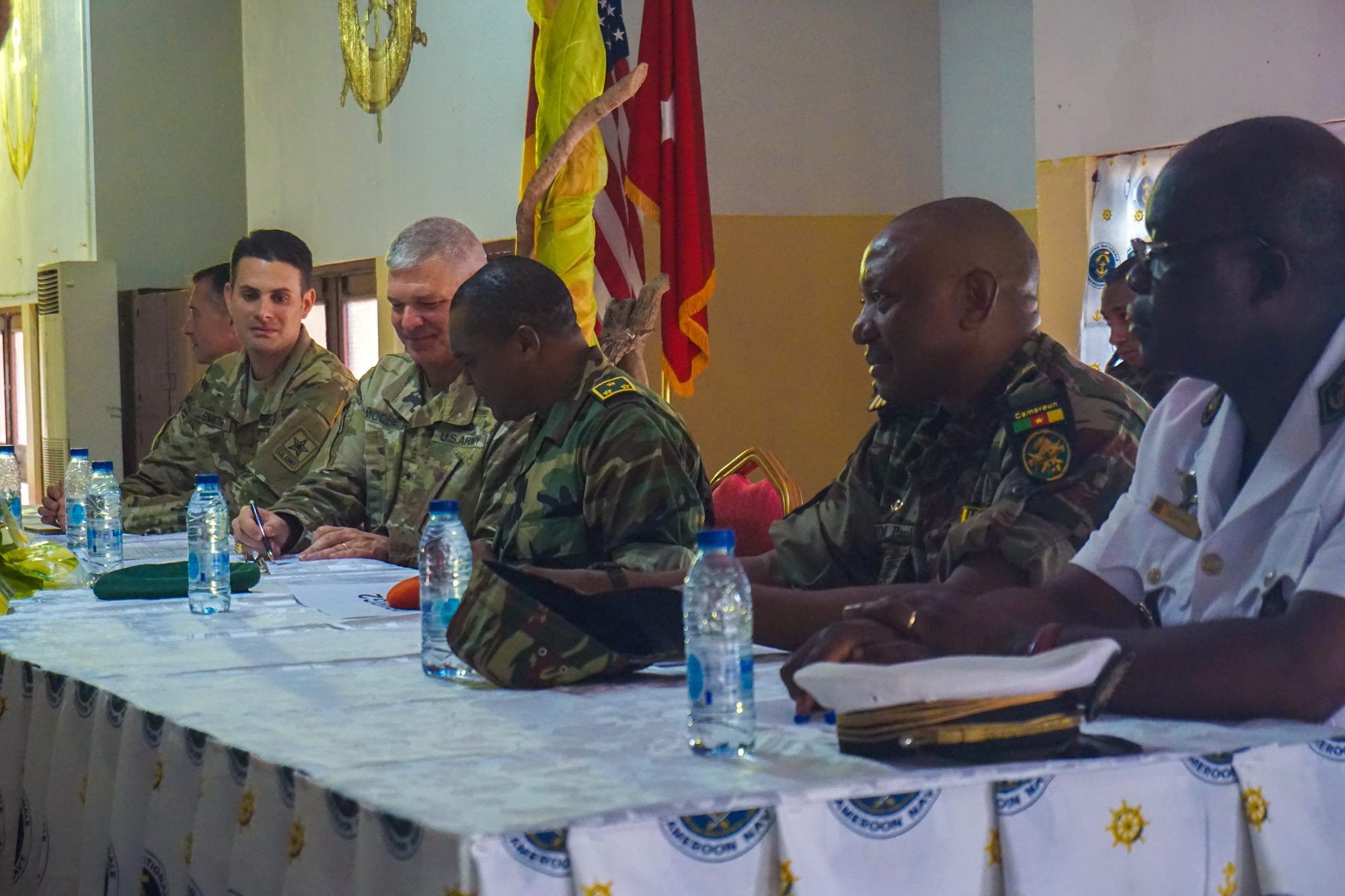
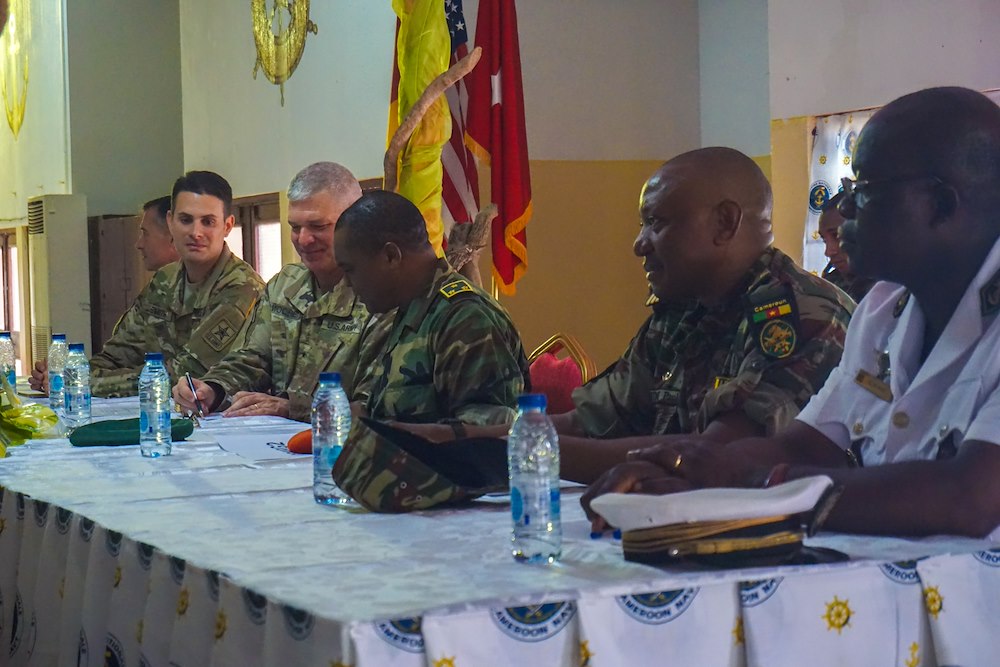
Senior leaders and guest speakers exchange remarks during the opening ceremony for exercise Unified Focus 2017, held on the Douala Naval Base, April 24, 2017. UF 17 is a weeklong tabletop exercise that brings the military partners of the Lake Chad Basin area’s Multinational Joint Task Force (MNJTF) together to practice joint planning and coordination through a series of scripted vignettes. (Photo courtesy of U.S. Army Africa Public Affairs/Released)
Photo by: Capt. Jason Welch
Exercise Unified Focus 2017 kicks off in Cameroon
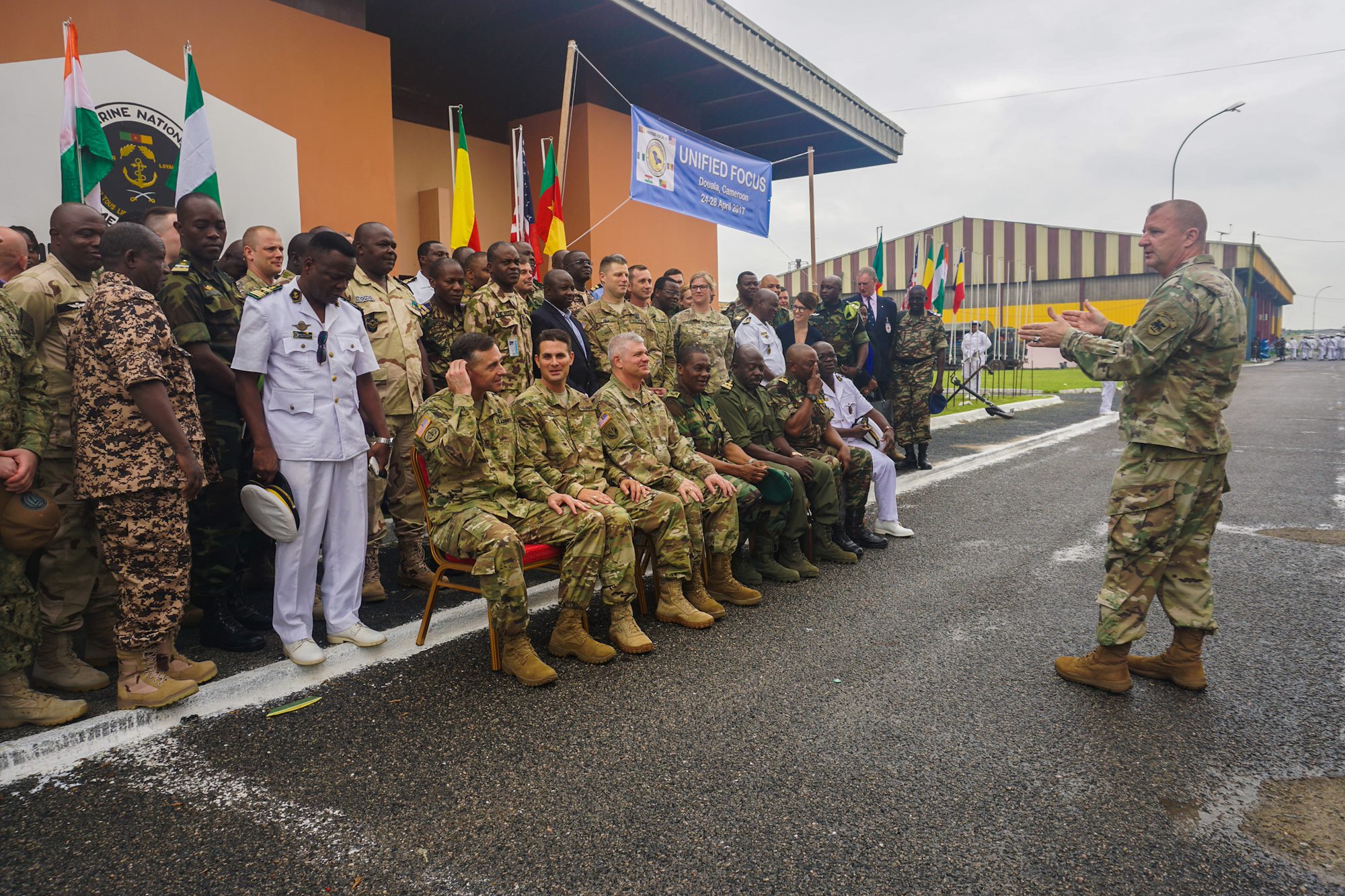
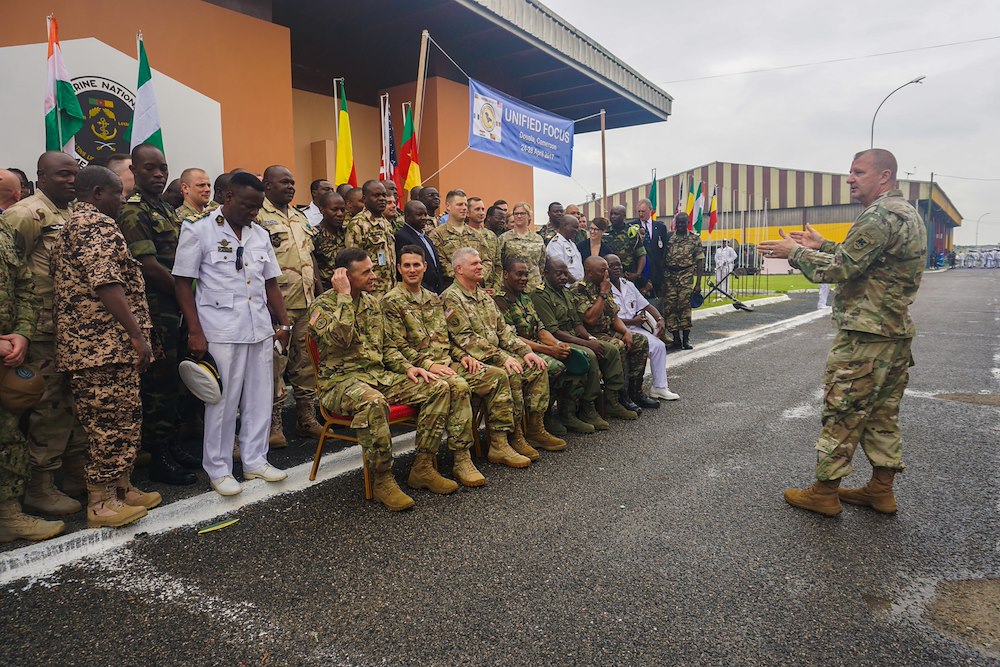
U.S. Army Sgt. Maj. Harold Estabrooks, U.S. Army Africa Army Reserve Engagement Cell, directs the arrangement of the group photo following the opening ceremony for exercise Unified Focus 2017, held on the Douala Naval Base, April 24, 2017. UF 17 is a weeklong tabletop exercise that brings the military partners of the Lake Chad Basin area’s Multinational Joint Task Force (MNJTF) together to practice joint planning and coordination through a series of scripted vignettes. (Photo courtesy of U.S. Army Africa Public Affairs/Released)
Photo by: Capt. Jason Welch
Exercise Unified Focus 2017 kicks off in Cameroon
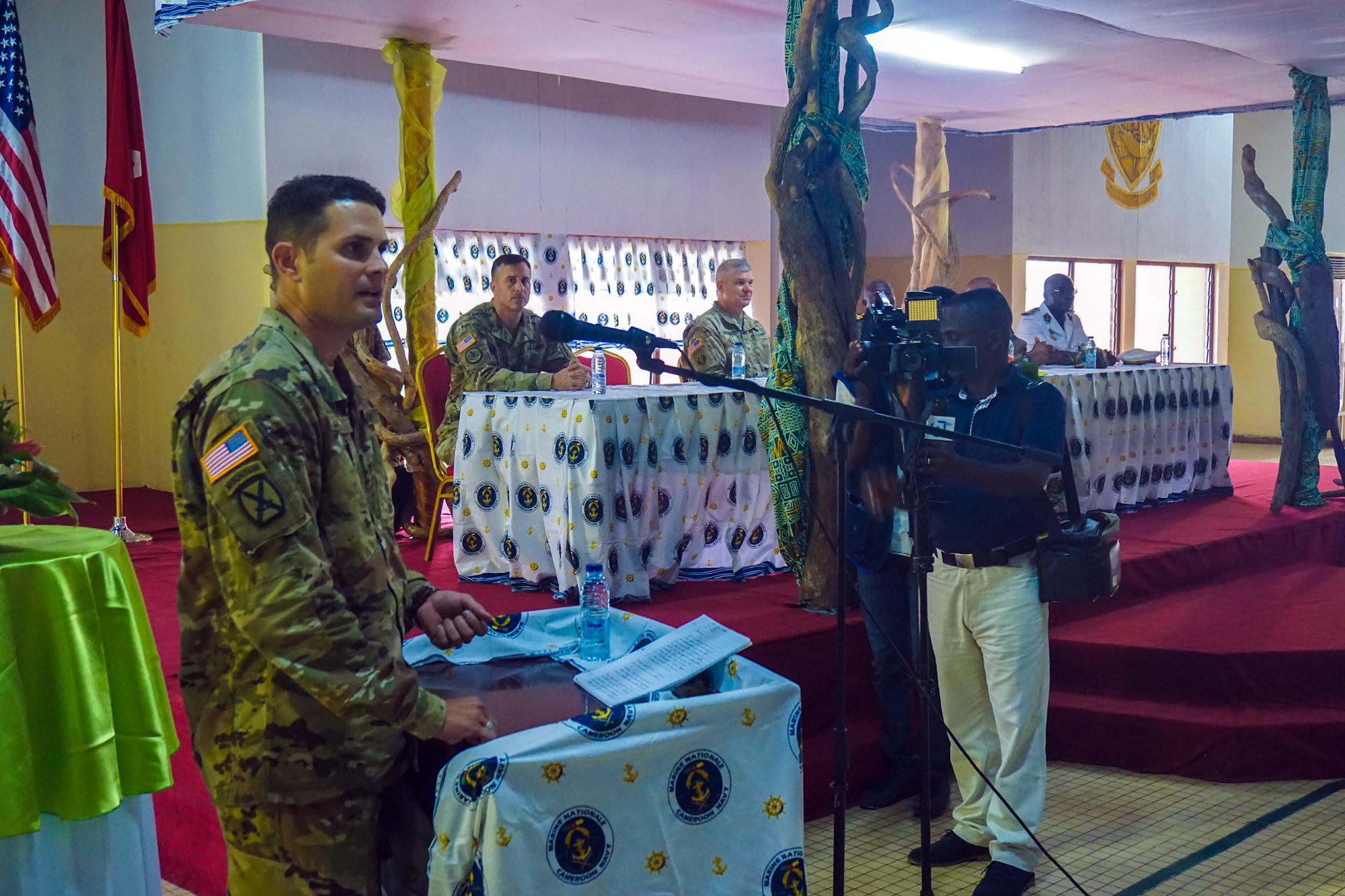
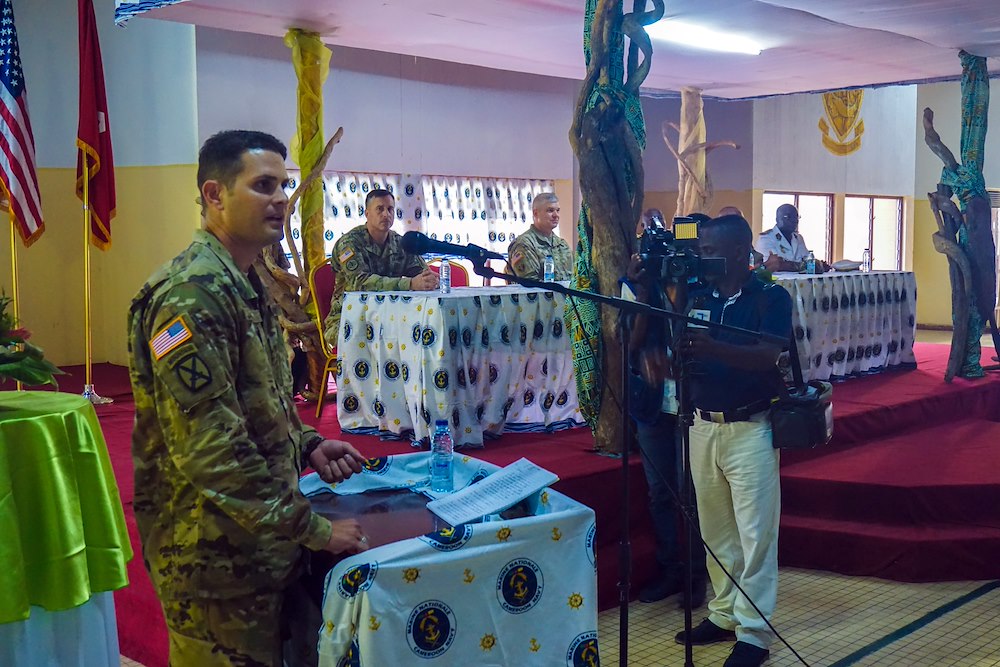
U.S. Army Maj. Aaron Smith, U.S. Embassy Yaoundé office of security cooperation, provides remarks during the opening ceremony of exercise Unified Focus 2017, held on the Douala Naval Base, April 24, 2017. UF 17 is a weeklong tabletop exercise that brings the military partners of the Lake Chad Basin area’s Multinational Joint Task Force (MNJTF) together to practice joint planning and coordination through a series of scripted vignettes. (Photo courtesy of U.S. Army Africa Public Affairs/Released)
Photo by: Capt. Jason Welch
Exercise Unified Focus 2017 kicks off in Cameroon
U.S. Army Brig. Gen. Kenneth Moore, U.S. Army Africa deputy commander, greets Cameroonian Maj. Gen. Saly Mohamadou, Commander of the 2nd Military Region of Cameroon, at the opening ceremony for exercise Unified Focus 2017, held on the Douala Naval Base, April 24, 2017. UF 17 is a weeklong tabletop exercise that brings the military partners of the Lake Chad Basin area’s Multinational Joint Task Force (MNJTF) together to practice joint planning and coordination through a series of scripted vignettes. (Photo by Capt. Jason Welch, U.S. Army Africa Public Affairs/Released)
Photo by: Capt. Jason Welch
Exercise Unified Focus 2017 kicks off in Cameroon
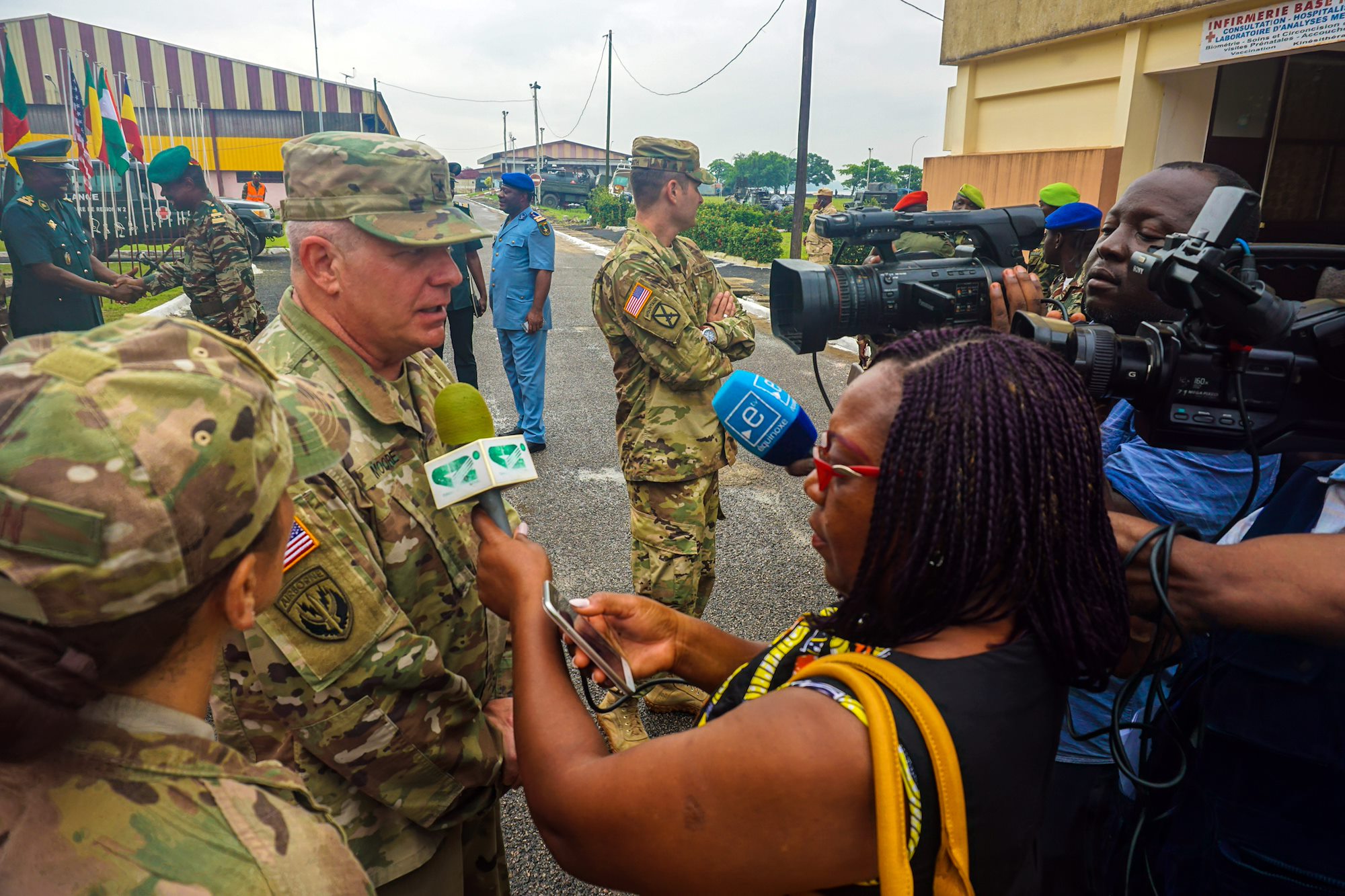
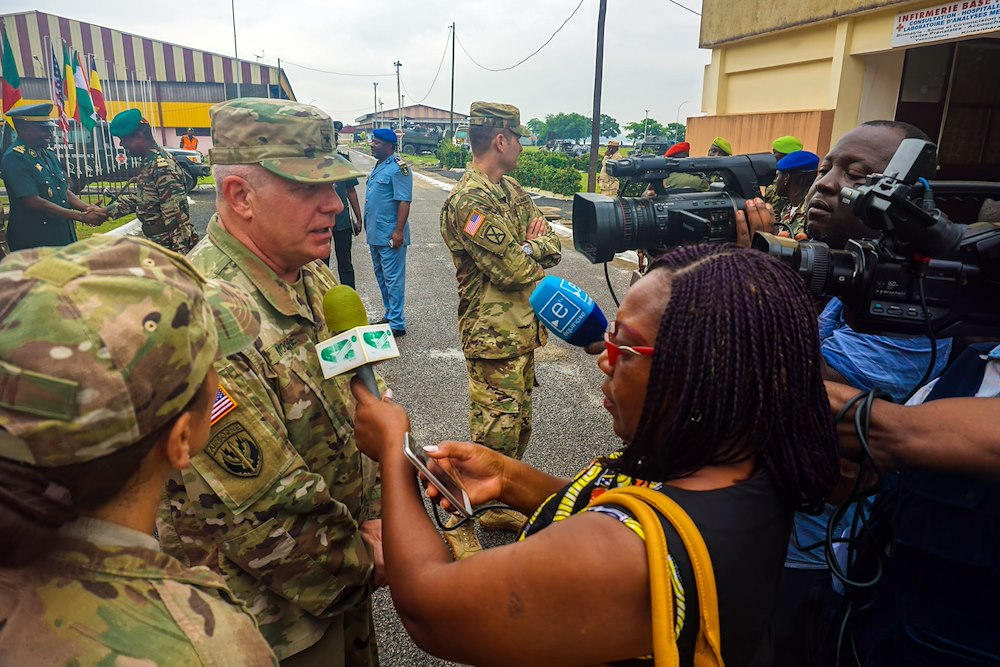
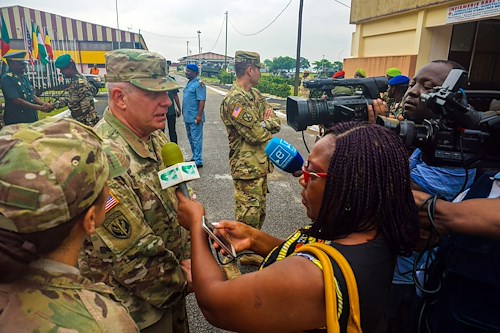
U.S. Army Brig. Gen. Kenneth Moore, U.S. Army Africa deputy commander, answers questions for local journalists following the opening ceremony for exercise Unified Focus 2017, held on the Douala Naval Base, April 24, 2017. UF 17 is a weeklong tabletop exercise that brings the military partners of the Lake Chad Basin area’s Multinational Joint Task Force (MNJTF) together to practice joint planning and coordination through a series of scripted vignettes. (Photo courtesy of U.S. Army Africa Public Affairs/Released)
Photo by: Capt. Jason Welch
AFRICOM Commander joins SecDef in meeting with Djibouti's president
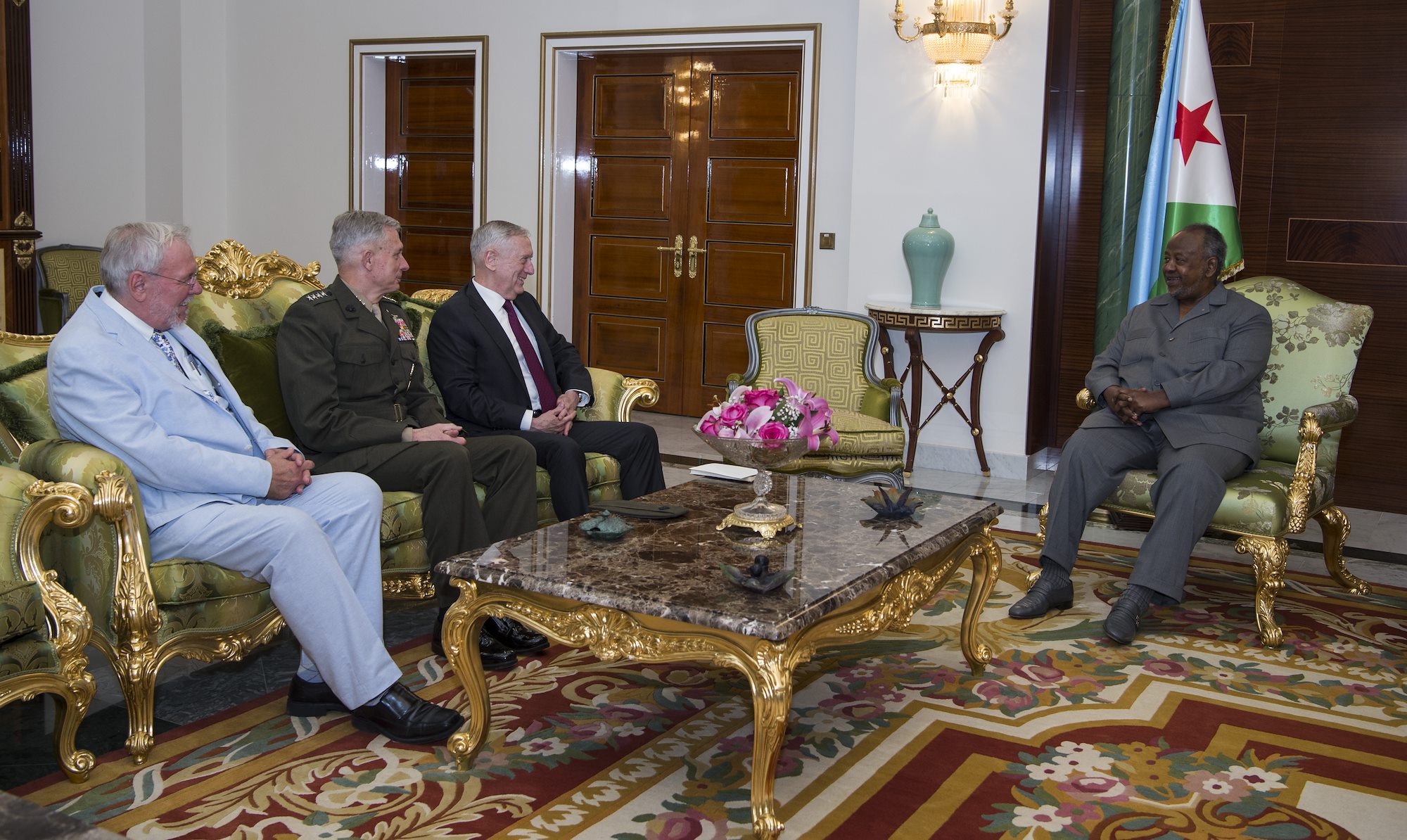
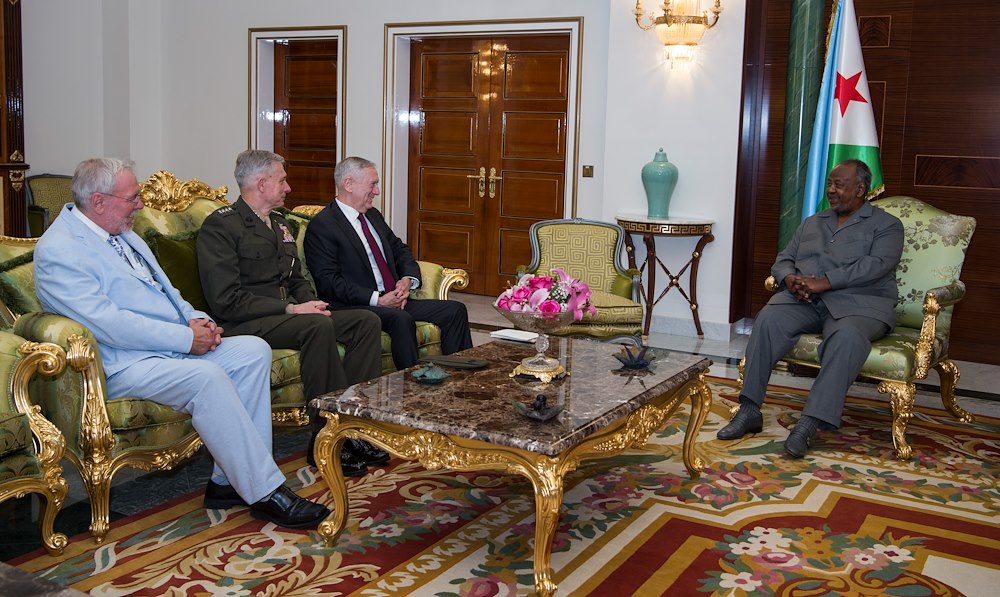
Secretary of Defense Jim Mattis and U.S. Africa Command Commander Gen. Thomas D. Waldhauser meet with Djibouti’s President Ismail Omar Guelleh at his presidential palace in Djibouti City, Djibouti, April 23, 2017. (DOD photo by U.S. Air Force Tech. Sgt. Brigitte N. Brantley/Released)
Photo by: Capt. Jen Dyrcz
AFRICOM hosts first ever Chiefs of Defense conference
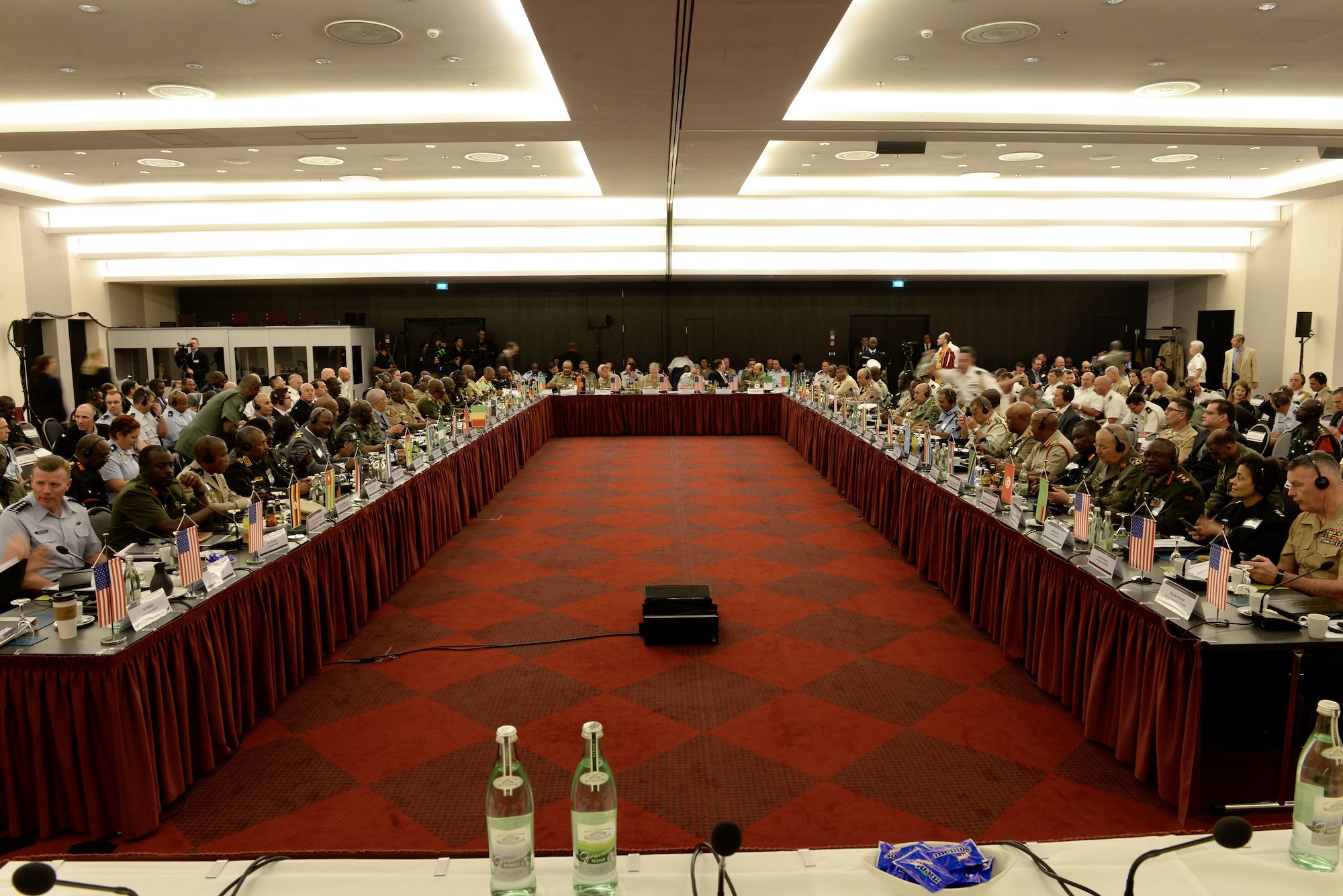
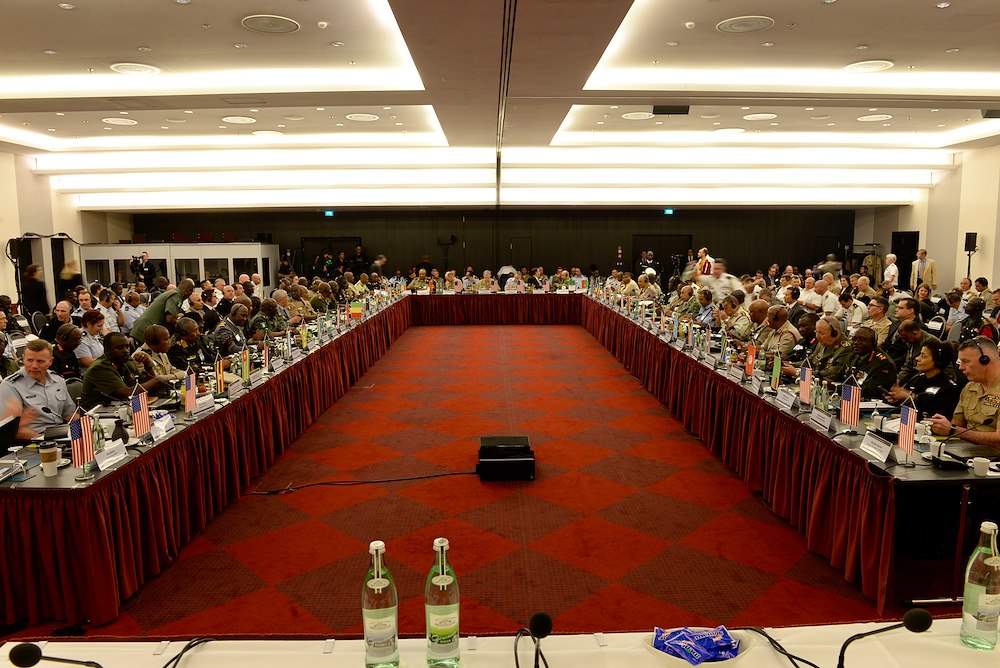
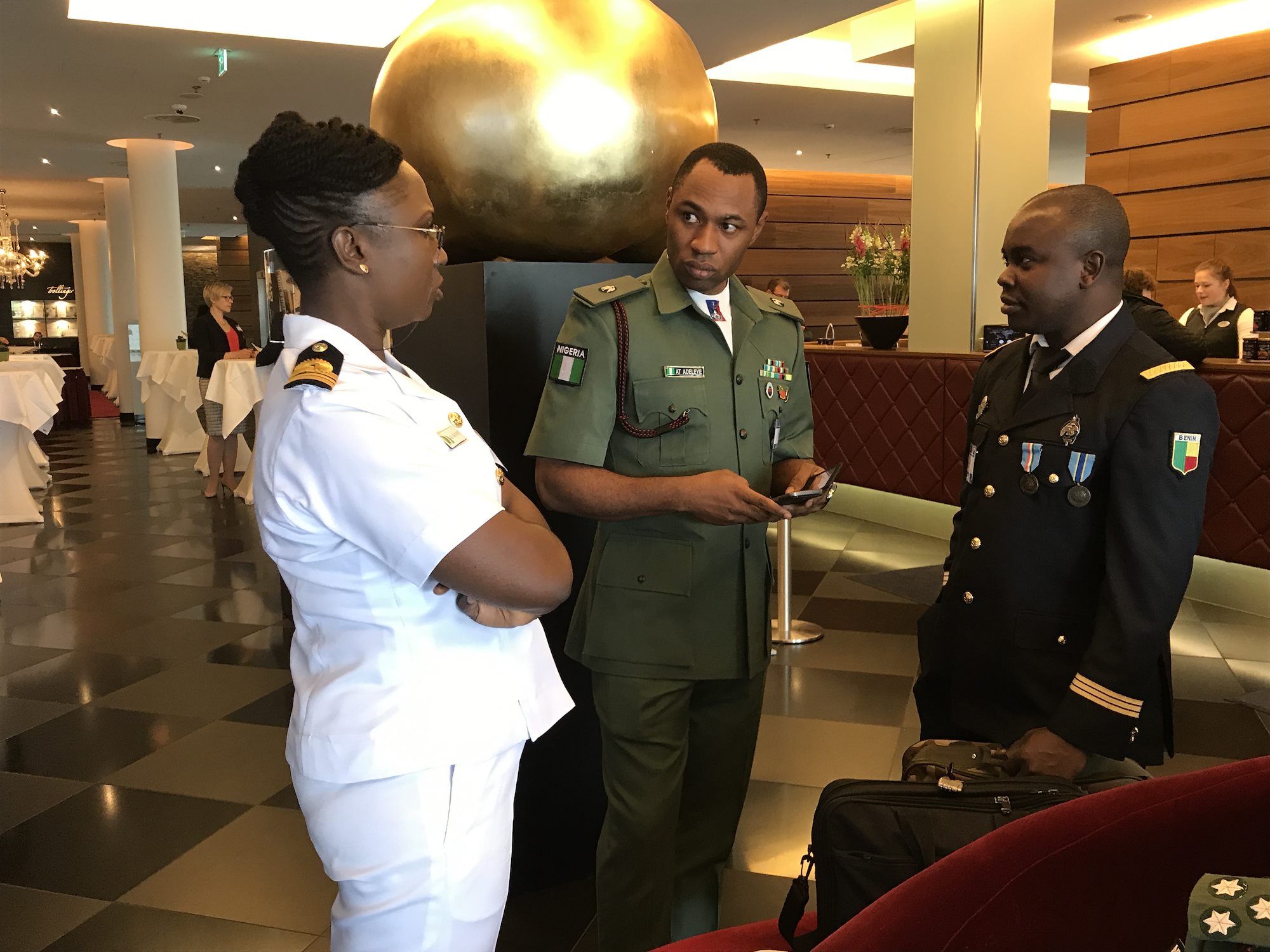
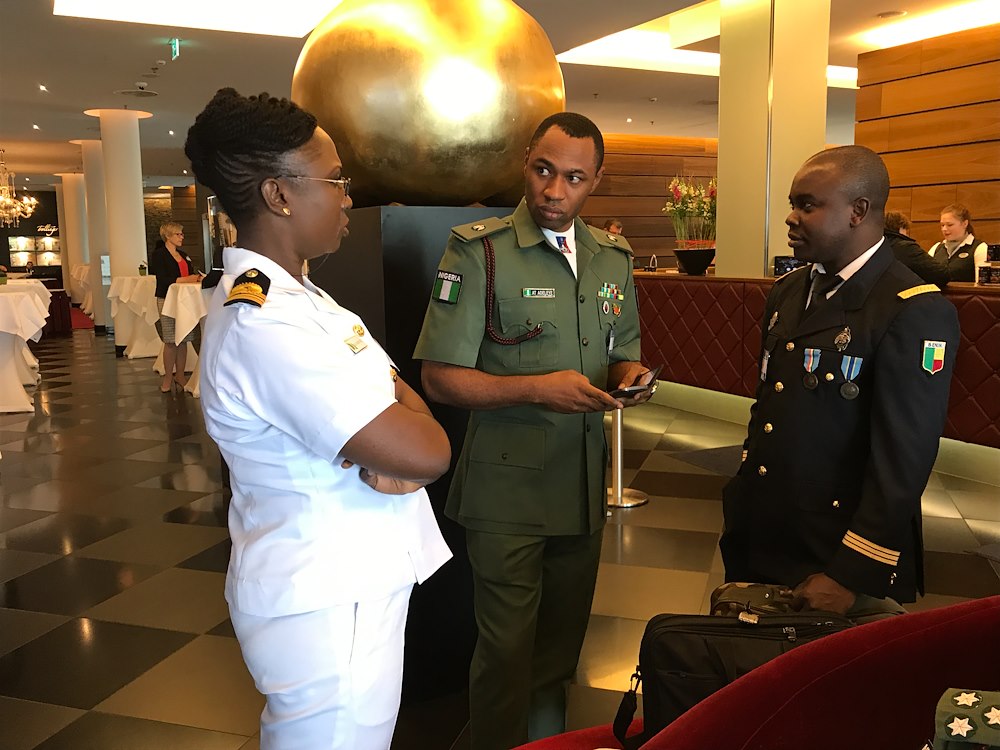
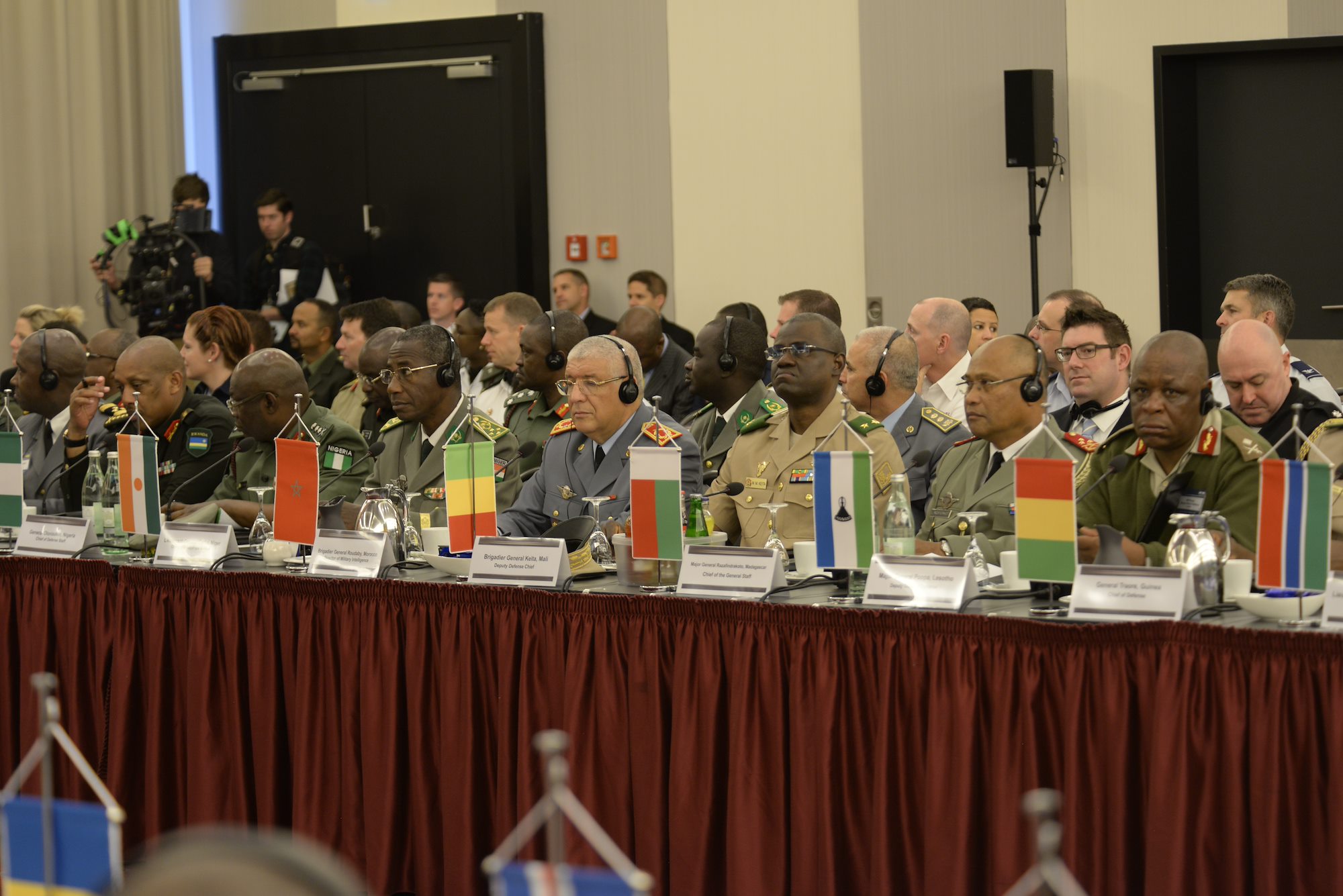
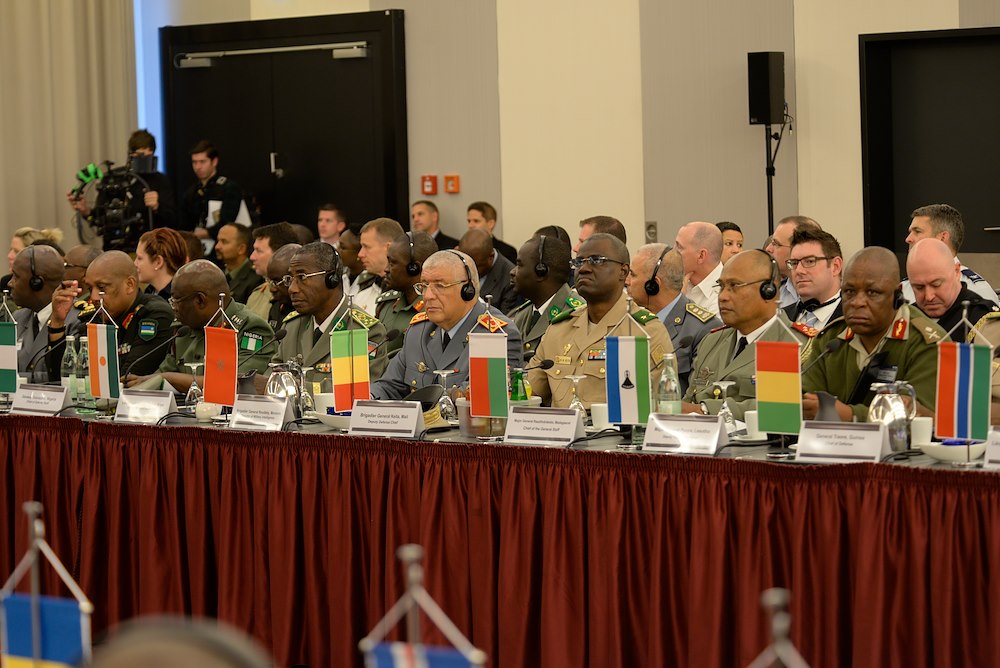
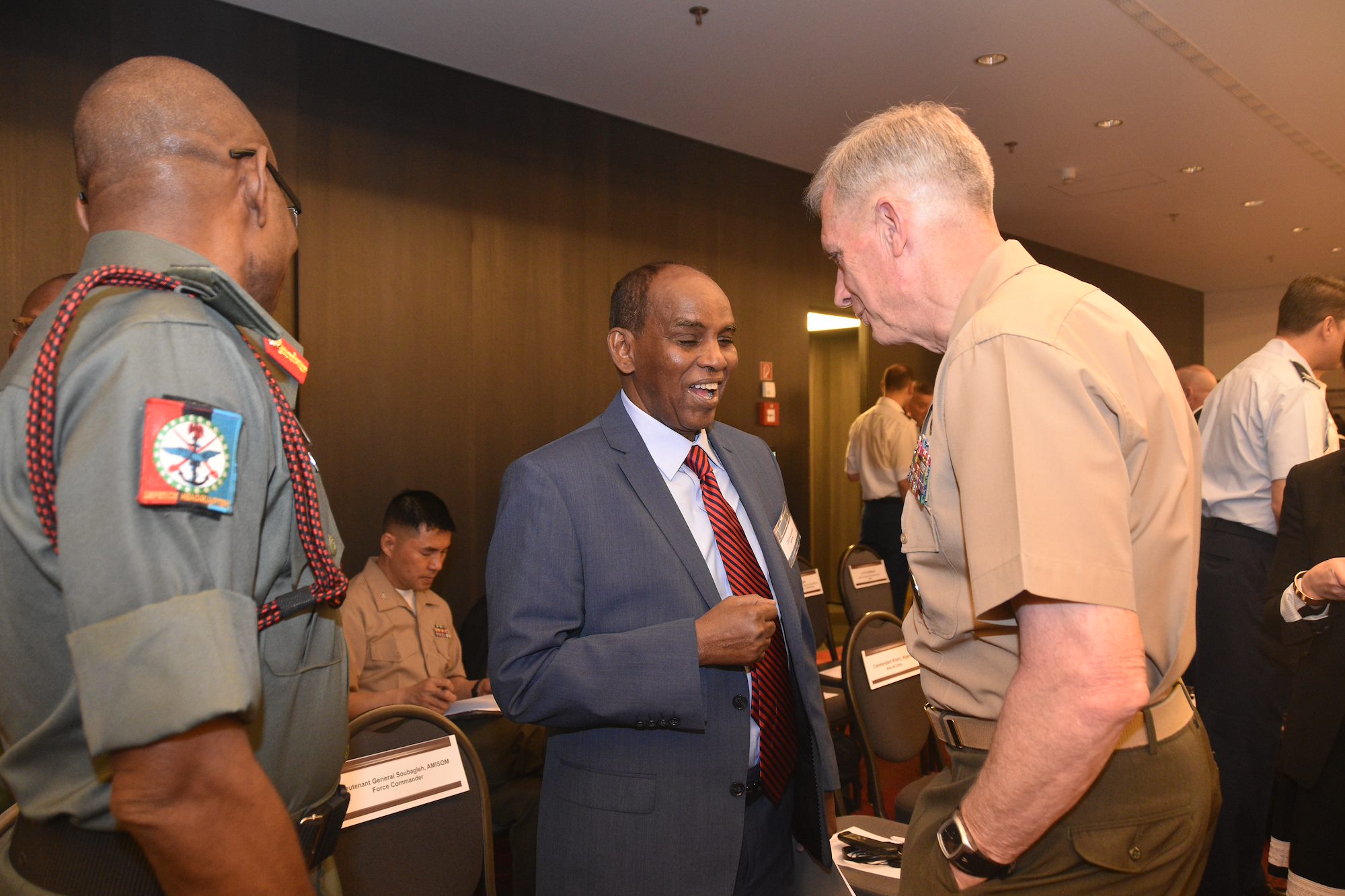
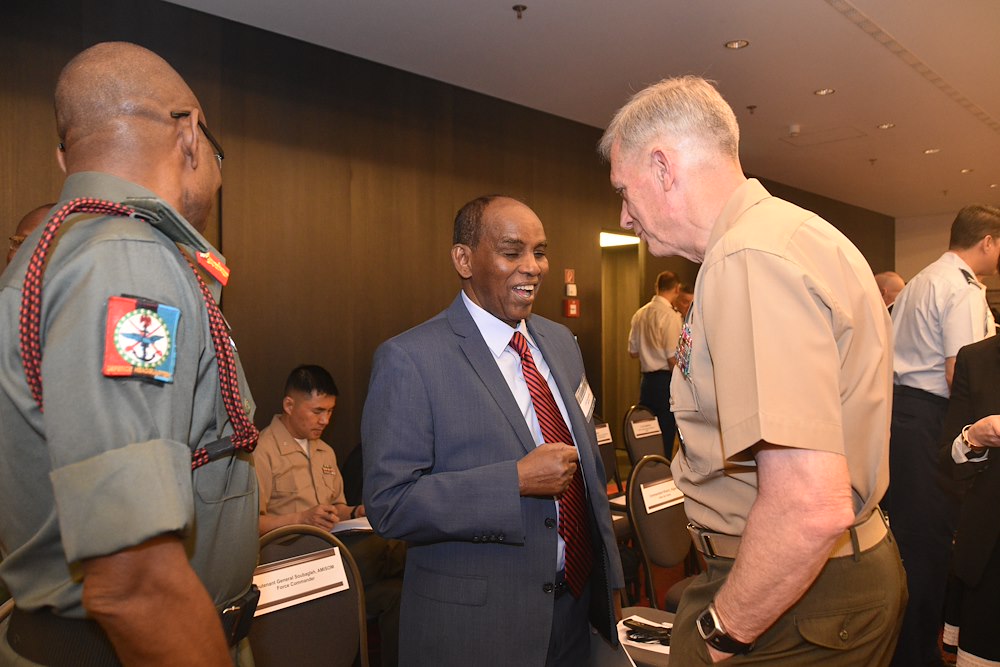
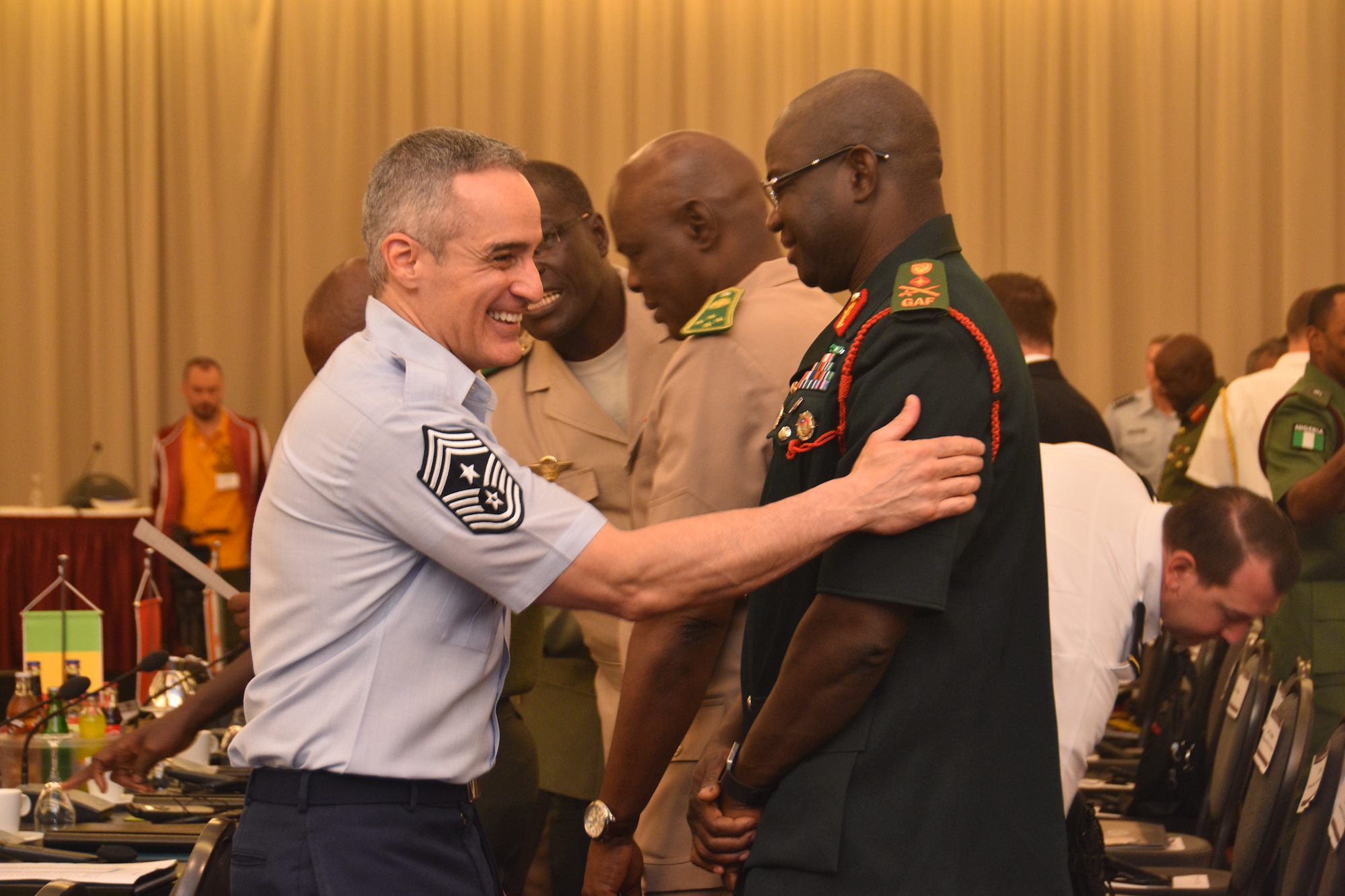
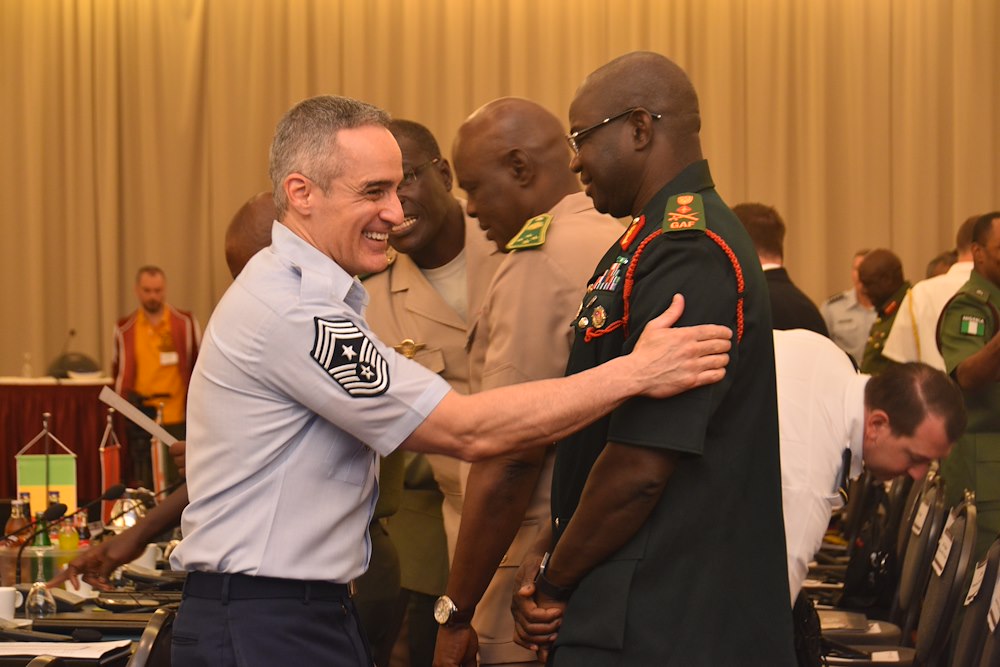
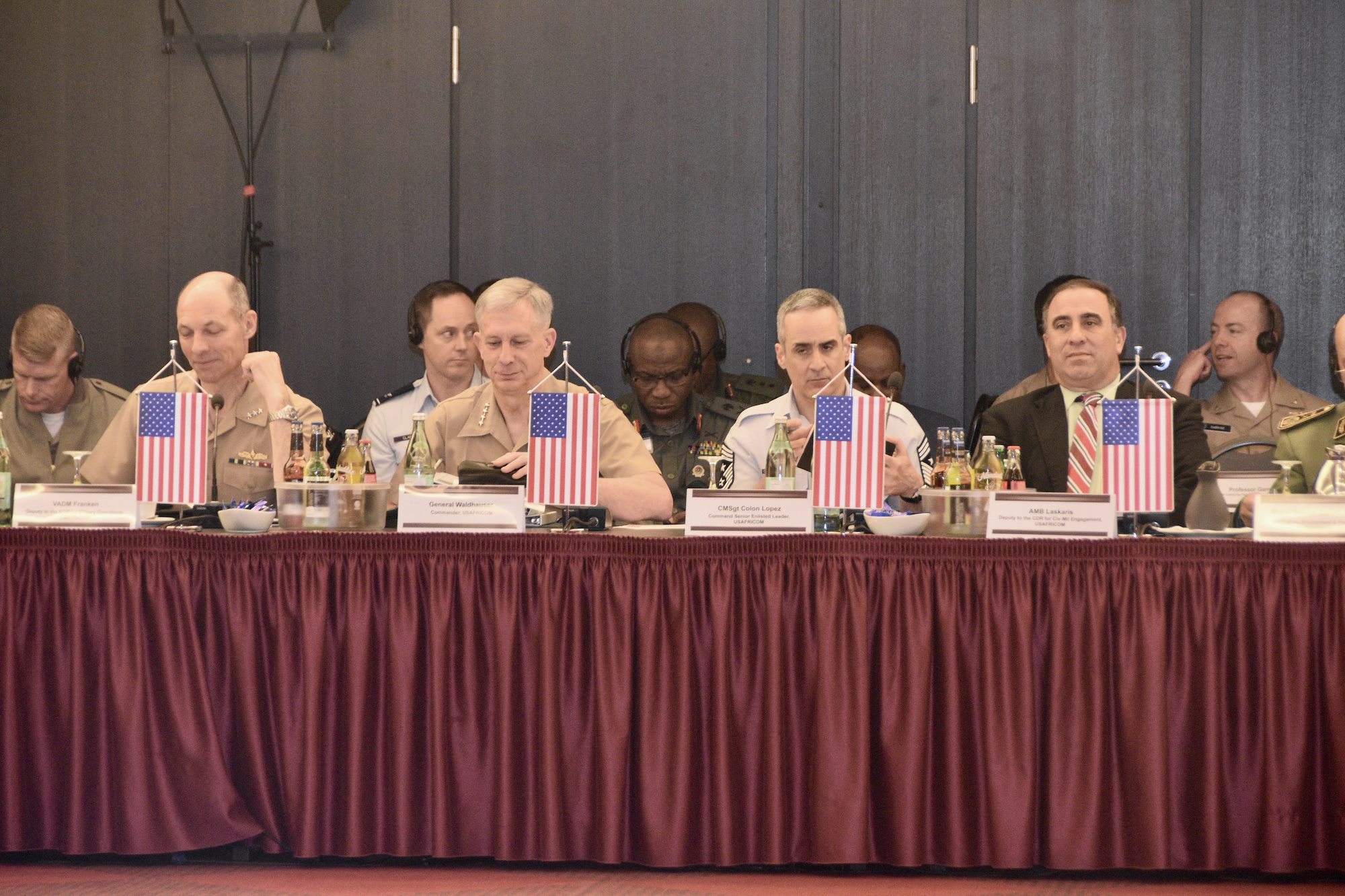
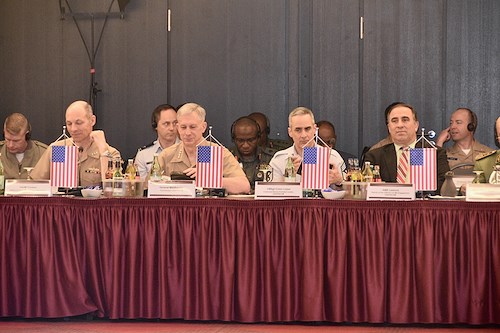
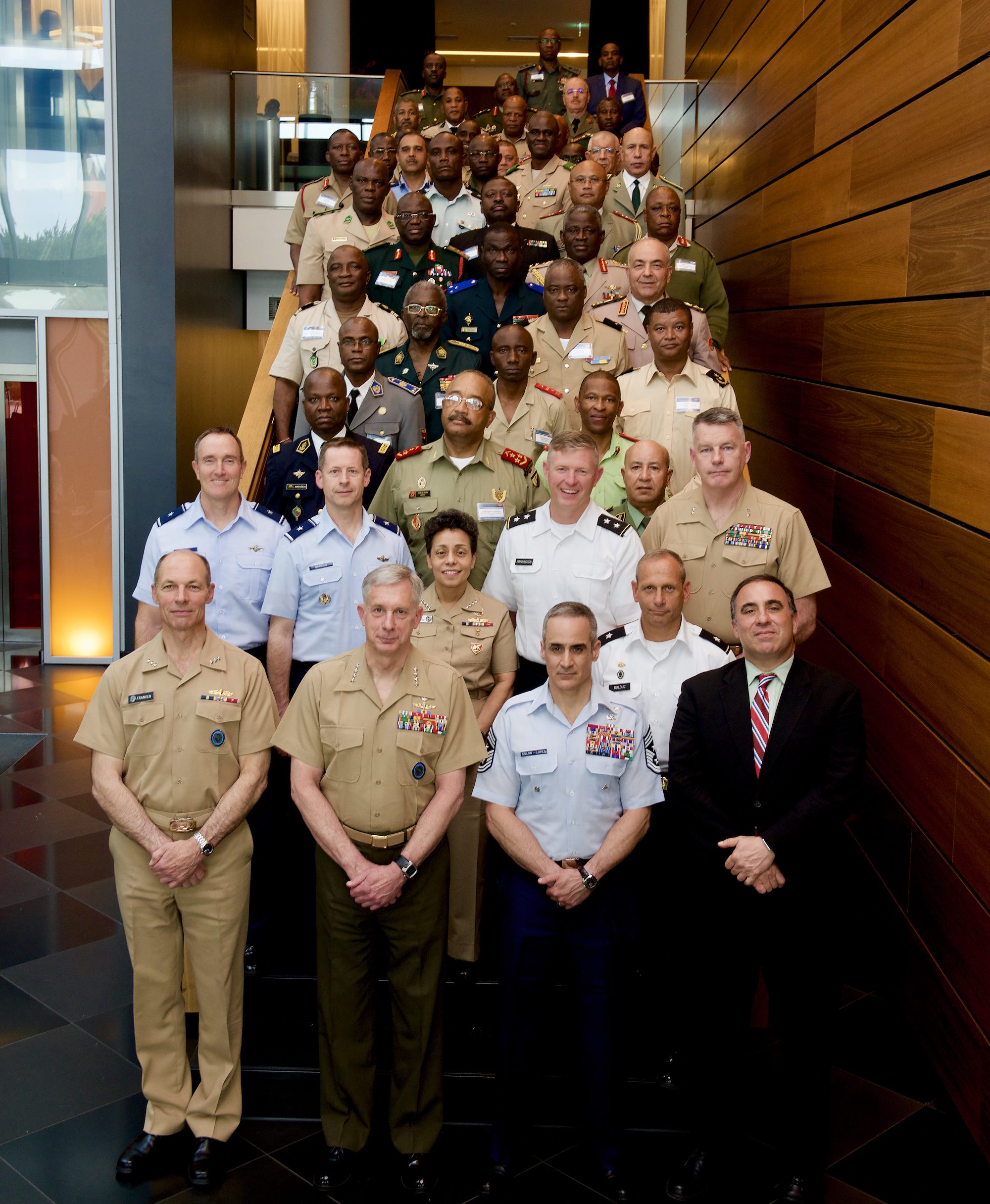
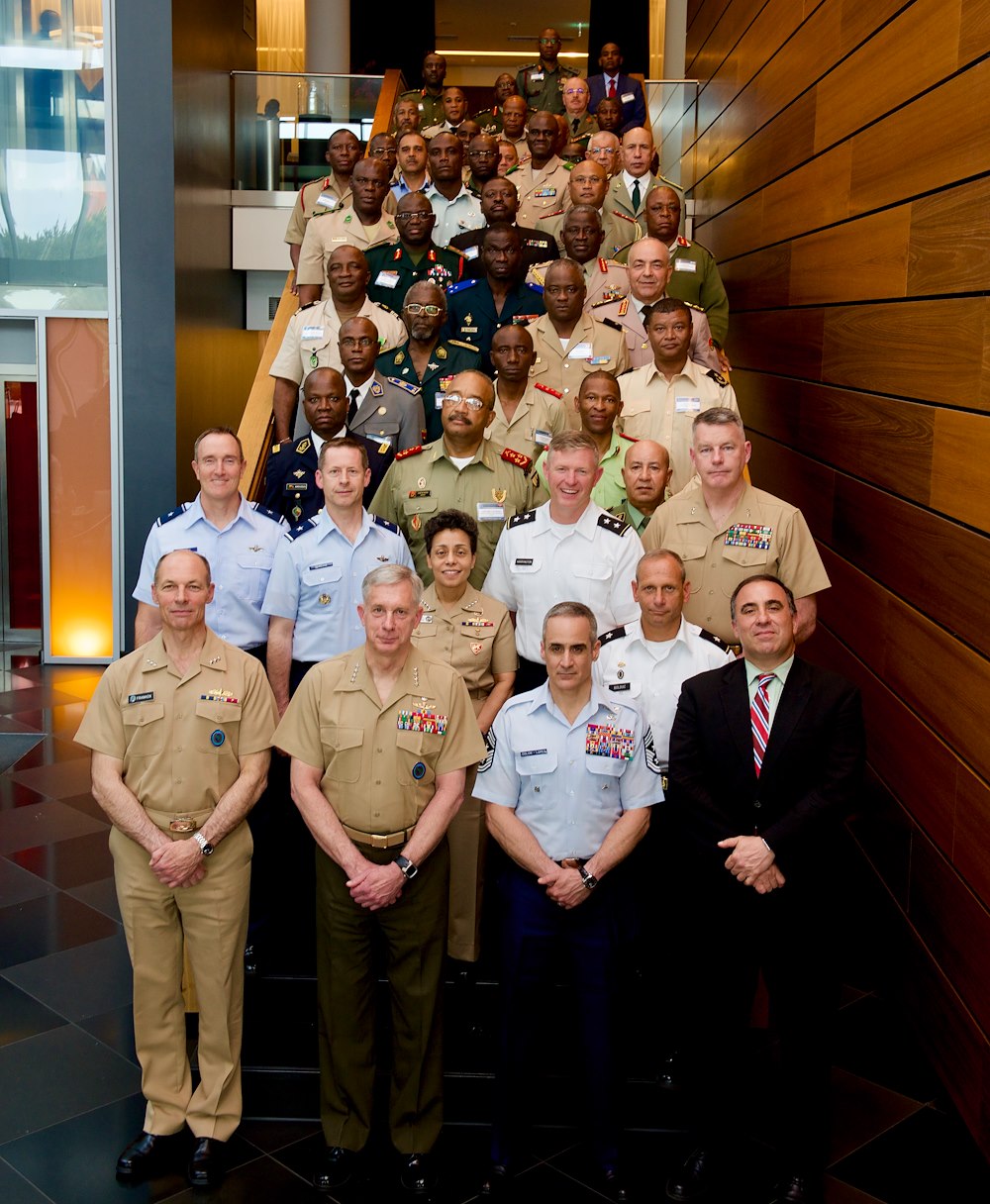
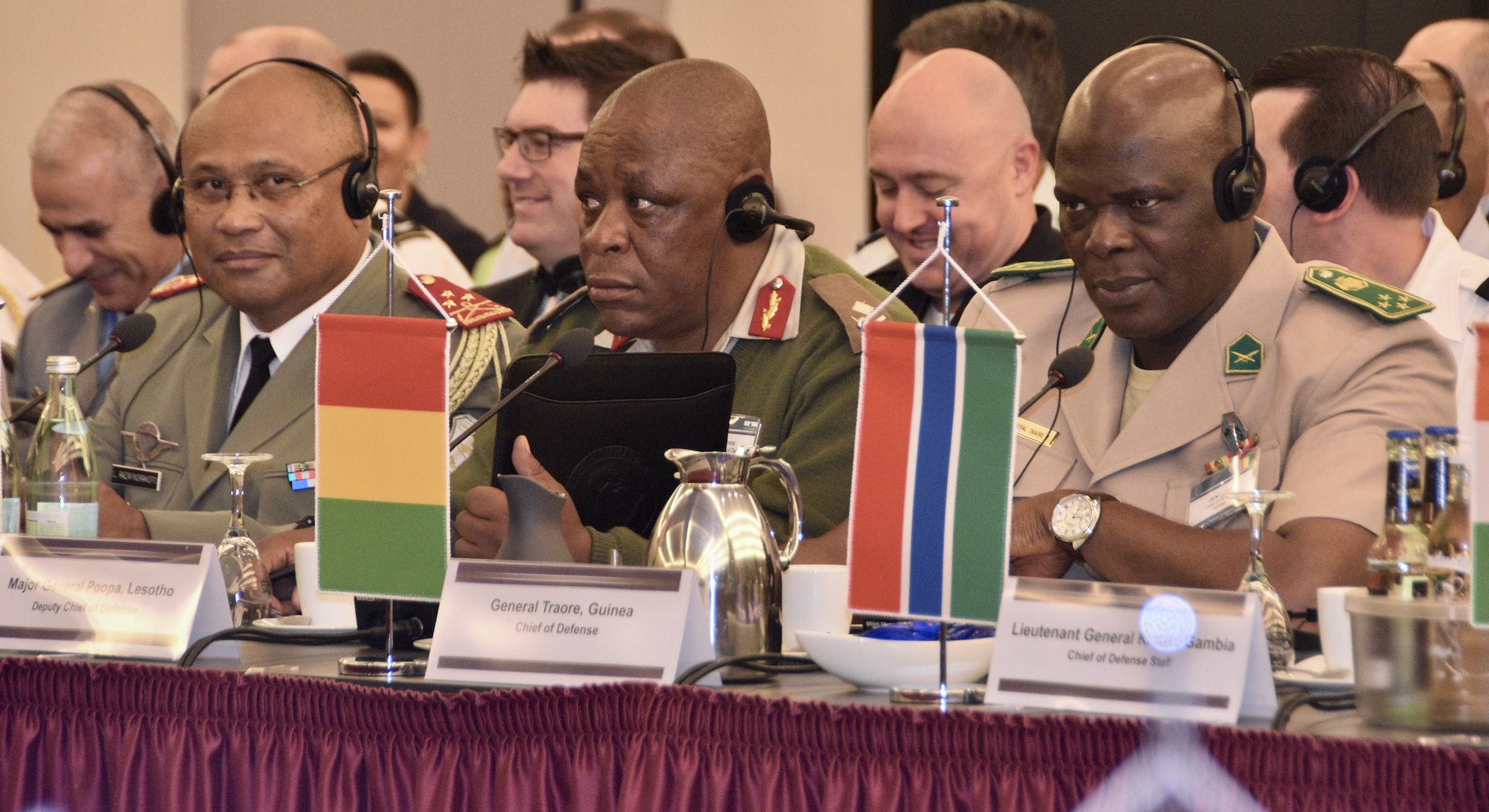
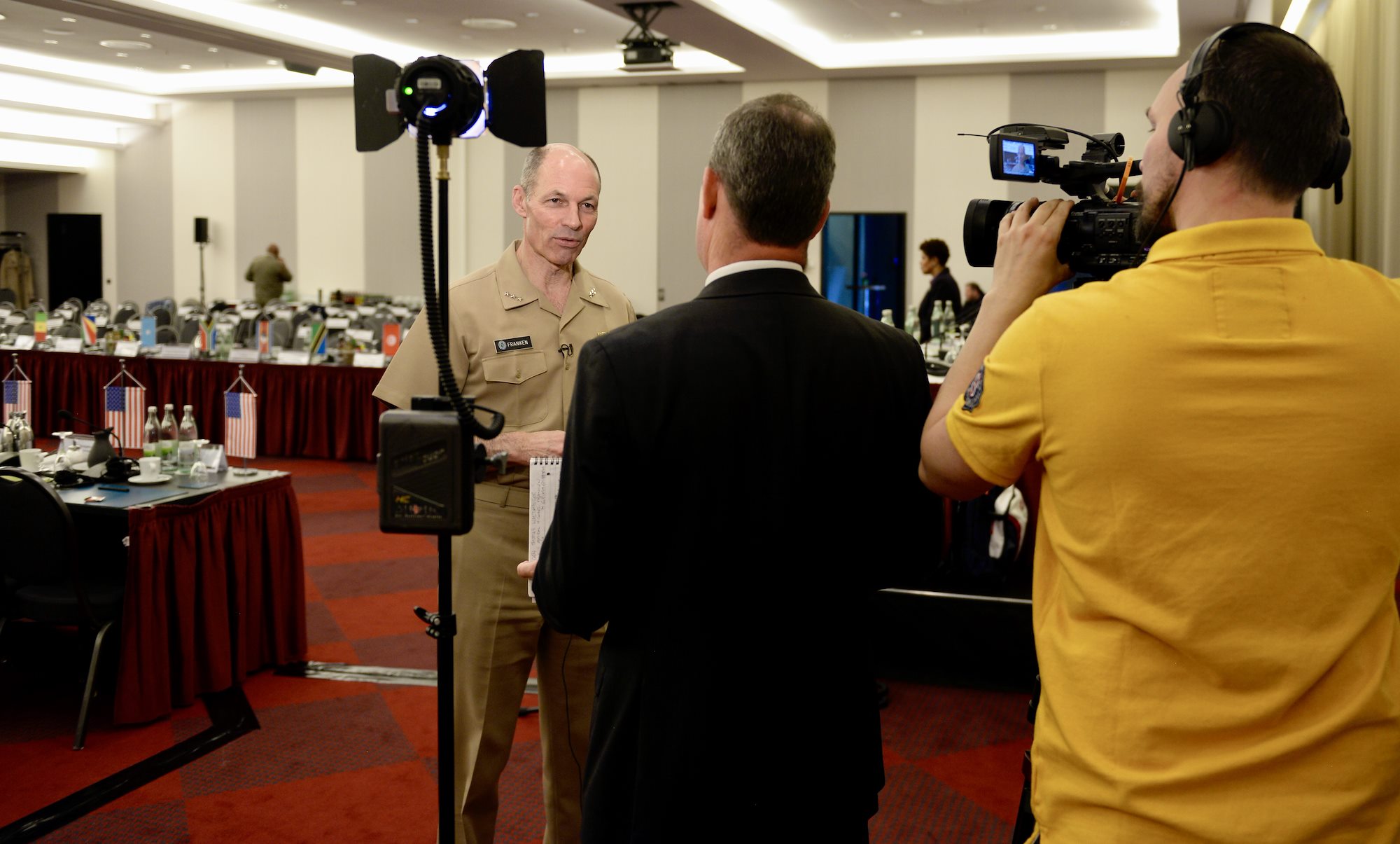
More than 40 African Chiefs of Defense or their representatives participated in the first ever CHoD conference hosted by U.S. Africa Command, April 19-20, 2017, in Stuttgart, GE. Countering VEOs and peace support operations were the central topics for discussion. (Photos by Brenda Law and Staff Sgt. Grady Jones, U.S. AFRICOM Public Affairs/Released)
Photo by: Brenda Law, Stuttgart, Germany
AFRICOM hosts first ever Chiefs of Defense conference
More than 40 African Chiefs of Defense or their representatives participated in the first ever CHoD conference hosted by U.S. Africa Command, April 19-20, 2017, in Stuttgart, GE. Countering VEOs and peace support operations were the central topics for discussion. (Photos by Brenda Law and Staff Sgt. Grady Jones, U.S. AFRICOM Public Affairs/Released)
Photo by: Brenda Law, Stuttgart, Germany
AFRICOM hosts first ever Chiefs of Defense conference
More than 40 African Chiefs of Defense or their representatives participated in the first ever CHoD conference hosted by U.S. Africa Command, April 19-20, 2017, in Stuttgart, GE. Countering VEOs and peace support operations were the central topics for discussion. (Photos by Brenda Law and Staff Sgt. Grady Jones, U.S. AFRICOM Public Affairs/Released)
Photo by: Brenda Law, Stuttgart, Germany
AFRICOM hosts first ever Chiefs of Defense conference
More than 40 African Chiefs of Defense or their representatives participated in the first ever CHoD conference hosted by U.S. Africa Command, April 19-20, 2017, in Stuttgart, GE. Countering VEOs and peace support operations were the central topics for discussion. (Photos by Brenda Law and Staff Sgt. Grady Jones, U.S. AFRICOM Public Affairs/Released)
Photo by: Brenda Law, Stuttgart, Germany
AFRICOM hosts first ever Chiefs of Defense conference
More than 40 African Chiefs of Defense or their representatives participated in the first ever CHoD conference hosted by U.S. Africa Command, April 19-20, 2017, in Stuttgart, GE. Countering VEOs and peace support operations were the central topics for discussion. (Photos by Brenda Law and Staff Sgt. Grady Jones, U.S. AFRICOM Public Affairs/Released)
Photo by: Brenda Law, Stuttgart, Germany
AFRICOM hosts first ever Chiefs of Defense conference
More than 40 African Chiefs of Defense or their representatives participated in the first ever CHoD conference hosted by U.S. Africa Command, April 19-20, 2017, in Stuttgart, GE. Countering VEOs and peace support operations were the central topics for discussion. (Photos by Brenda Law and Staff Sgt. Grady Jones, U.S. AFRICOM Public Affairs/Released)
Photo by: Brenda Law, Stuttgart, Germany
AFRICOM hosts first ever Chiefs of Defense conference
More than 40 African Chiefs of Defense or their representatives participated in the first ever CHoD conference hosted by U.S. Africa Command, April 19-20, 2017, in Stuttgart, GE. Countering VEOs and peace support operations were the central topics for discussion. (Photos by Brenda Law and Staff Sgt. Grady Jones, U.S. AFRICOM Public Affairs/Released)
Photo by: Brenda Law, Stuttgart, Germany
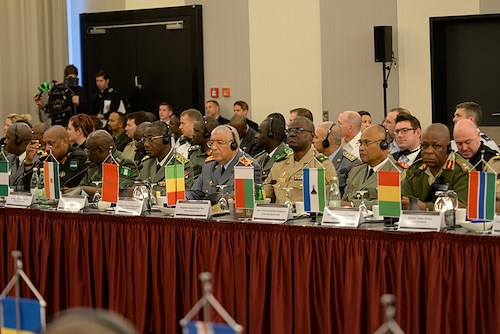
AFRICOM hosts first ever Chiefs of Defense conference
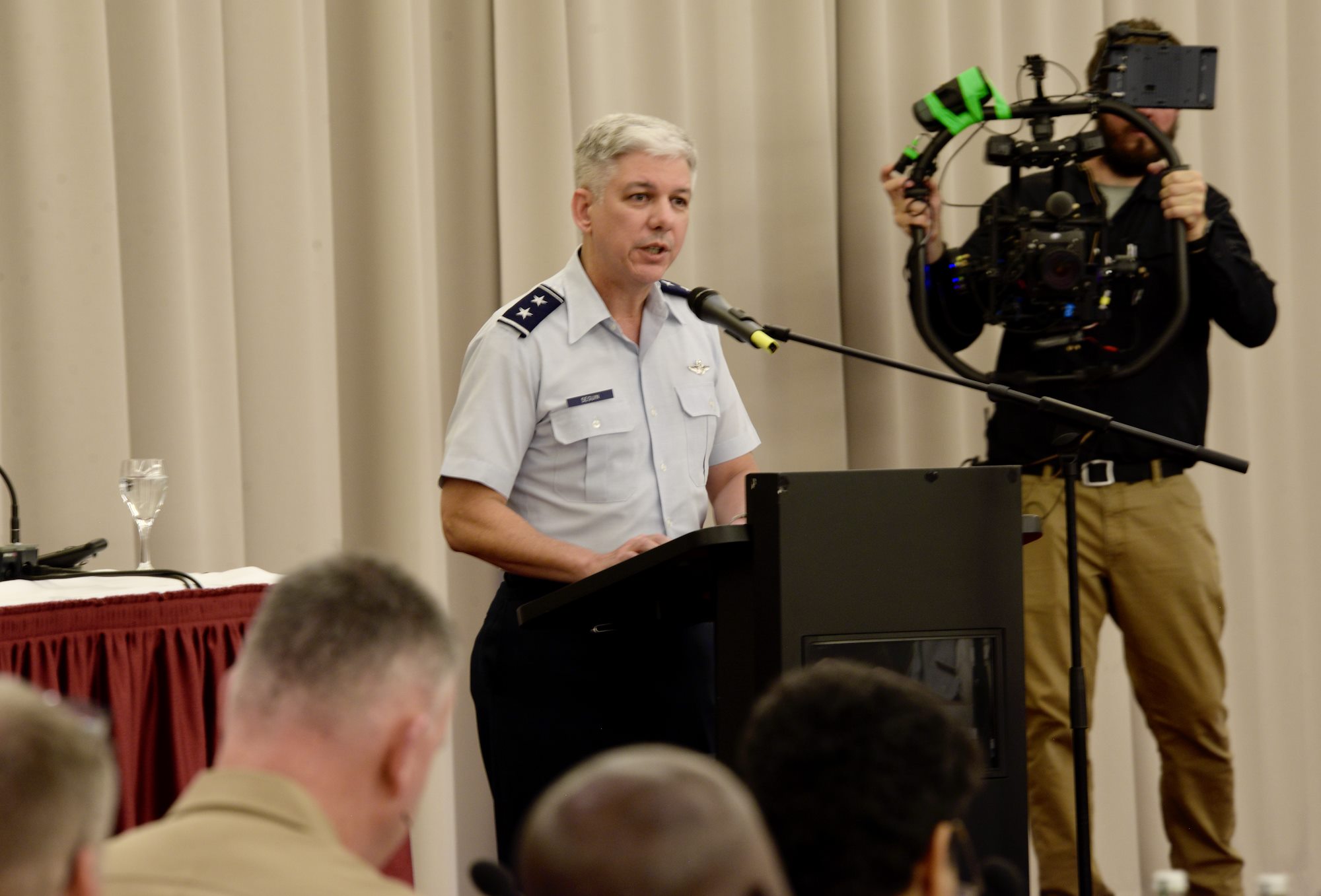
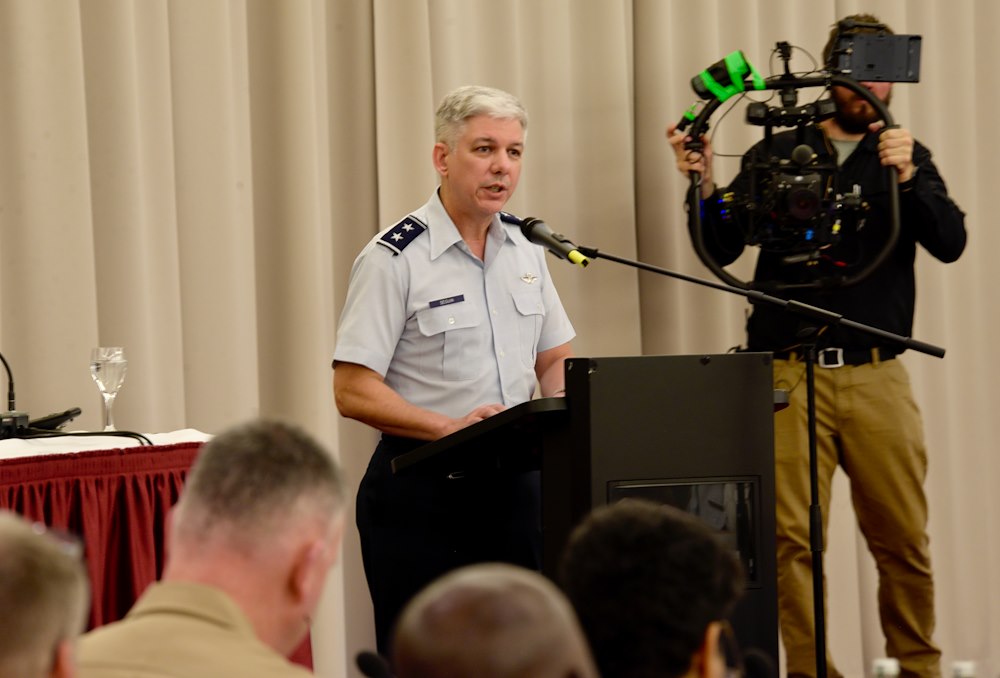
More than 40 African Chiefs of Defense or their representatives participated in the first ever CHoD conference hosted by U.S. Africa Command, April 19-20, 2017, in Stuttgart, GE. Countering VEOs and peace support operations were the central topics for discussion. (Photos by Brenda Law and Staff Sgt. Grady Jones, U.S. AFRICOM Public Affairs/Released)
Photo by: Brenda Law, Stuttgart, Germany
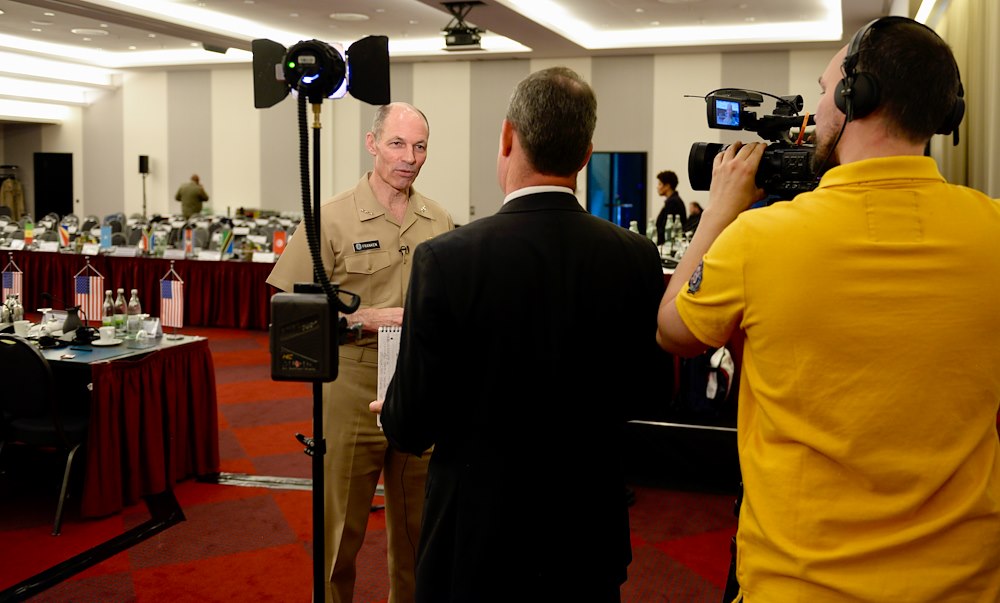
AFRICOM hosts first ever Chiefs of Defense conference
More than 40 African Chiefs of Defense or their representatives participated in the first ever CHoD conference hosted by U.S. Africa Command, April 19-20, 2017, in Stuttgart, GE. Countering VEOs and peace support operations were the central topics for discussion. (Photos by Brenda Law and Staff Sgt. Grady Jones, U.S. AFRICOM Public Affairs/Released)
Photo by: Brenda Law, Stuttgart, Germany
AFRICOM hosts first ever Chiefs of Defense conference
More than 40 African Chiefs of Defense or their representatives participated in the first ever CHoD conference hosted by U.S. Africa Command, April 19-20, 2017, in Stuttgart, GE. Countering VEOs and peace support operations were the central topics for discussion. (Photos by Brenda Law and Staff Sgt. Grady Jones, U.S. AFRICOM Public Affairs/Released)
Photo by: Brenda Law, Stuttgart, Germany
Tunisian, American trainers partner at Allied Spirit VI
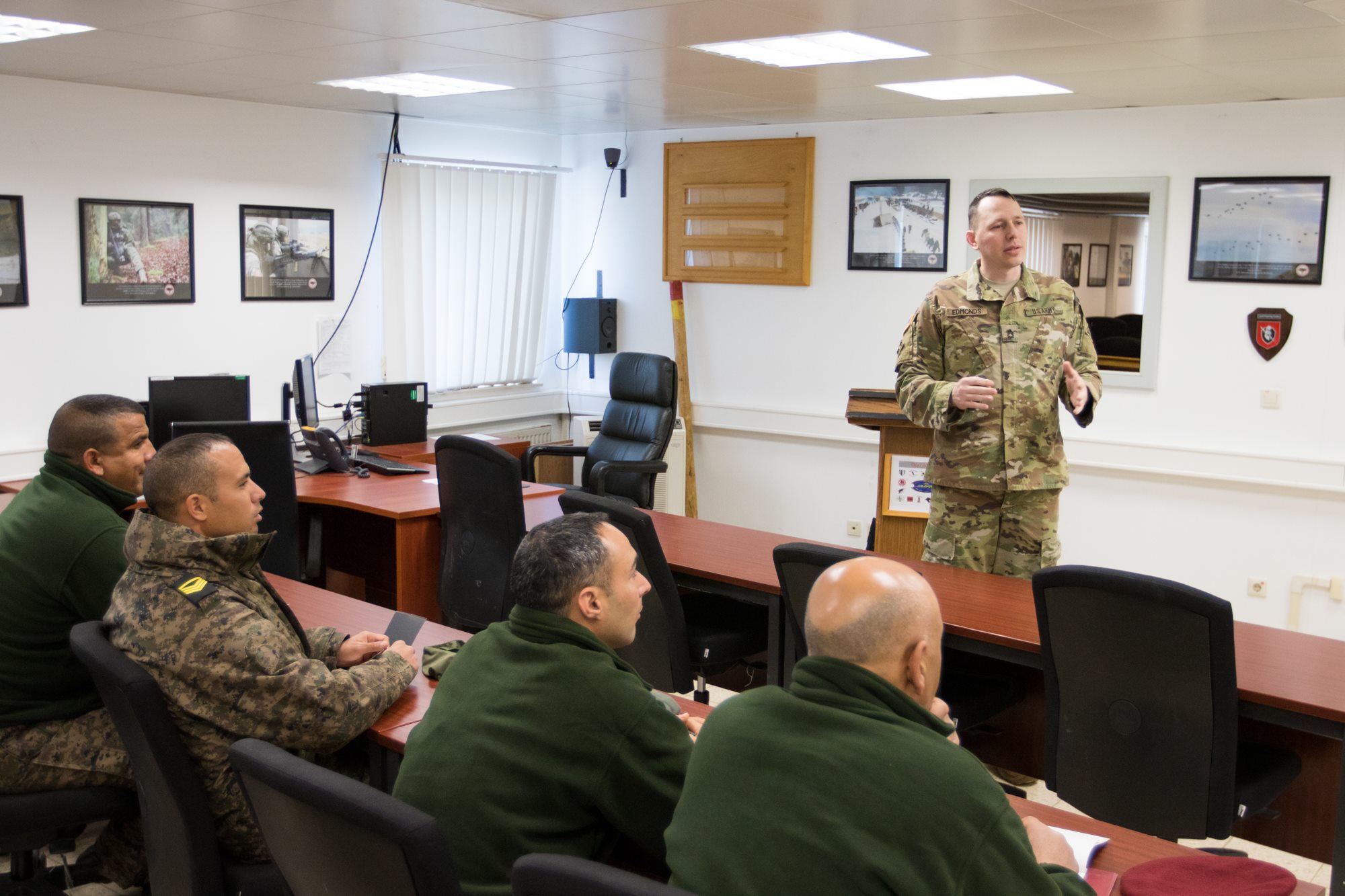
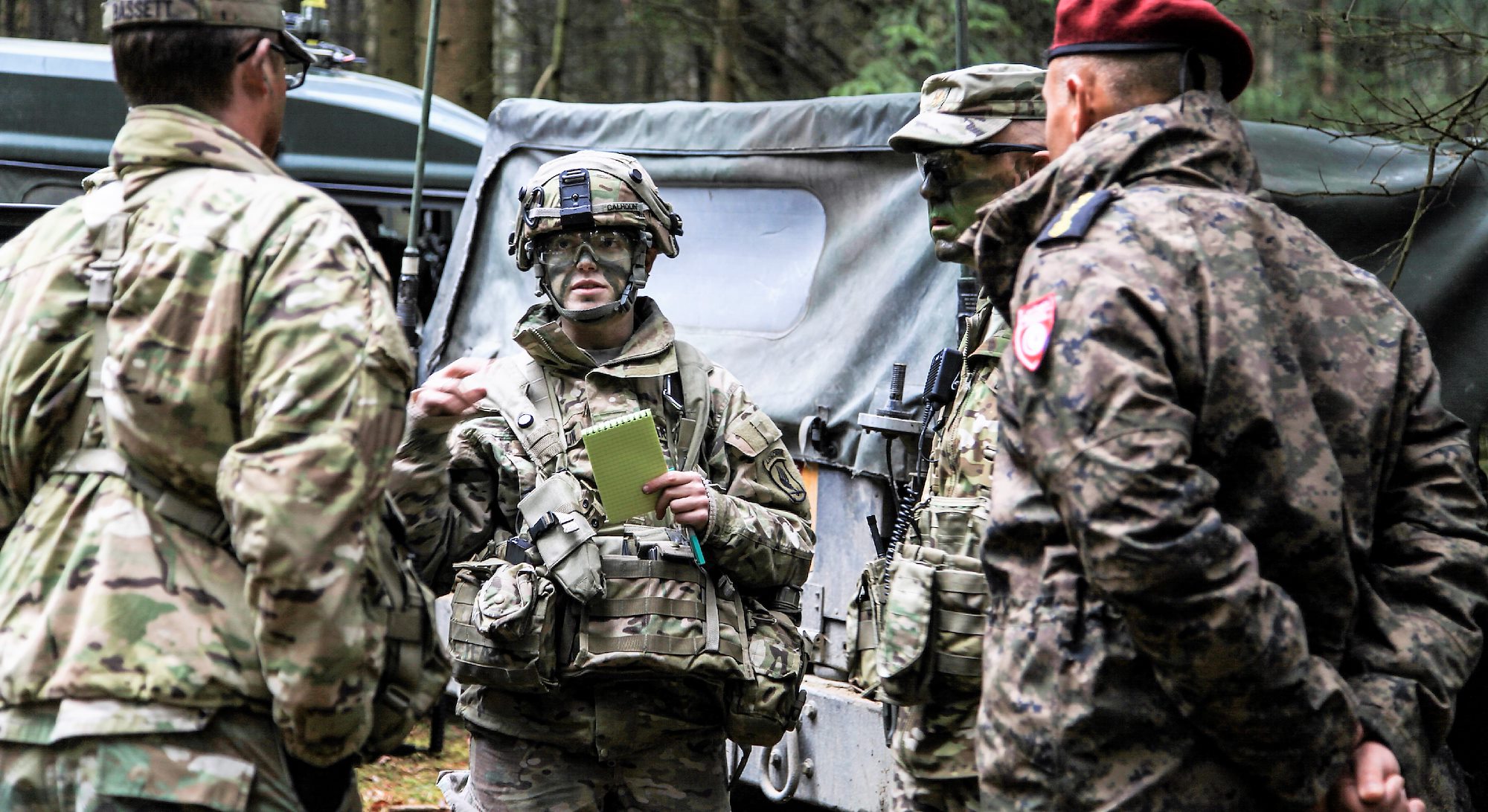
Sgt. First Class Lee Edmonds teaches a group of Tunisian officers and NCOs to be Observer Coach Trainers during Allied Spirit VI at Joint Multinational Readiness Center, Hohenfels Training Area, Germany, March 16, 2017. Allied Spirit VI reinforces the relationships in Europe that have been building during the last 70 years, and provides unsurpassed capability in a strategic and vital location. (Photos by U.S. Army Sgt. William Frye/Released)
Photo by: Sgt. Karen Sampson
Tunisian, American trainers partner at Allied Spirit VI
Exercise Allied Spirit VI includes 2,770 participants from NATO and Partner for Peace nations, exercising tactical interoperability and testing secure communications within Alliance members and partner nations. (U.S. Army photo by Sgt. Karen Sampson/ Released)
Photo by: Sgt. Karen Sampson
U.S. Army Africa chaplains conduct training for deploying Zambian counterparts
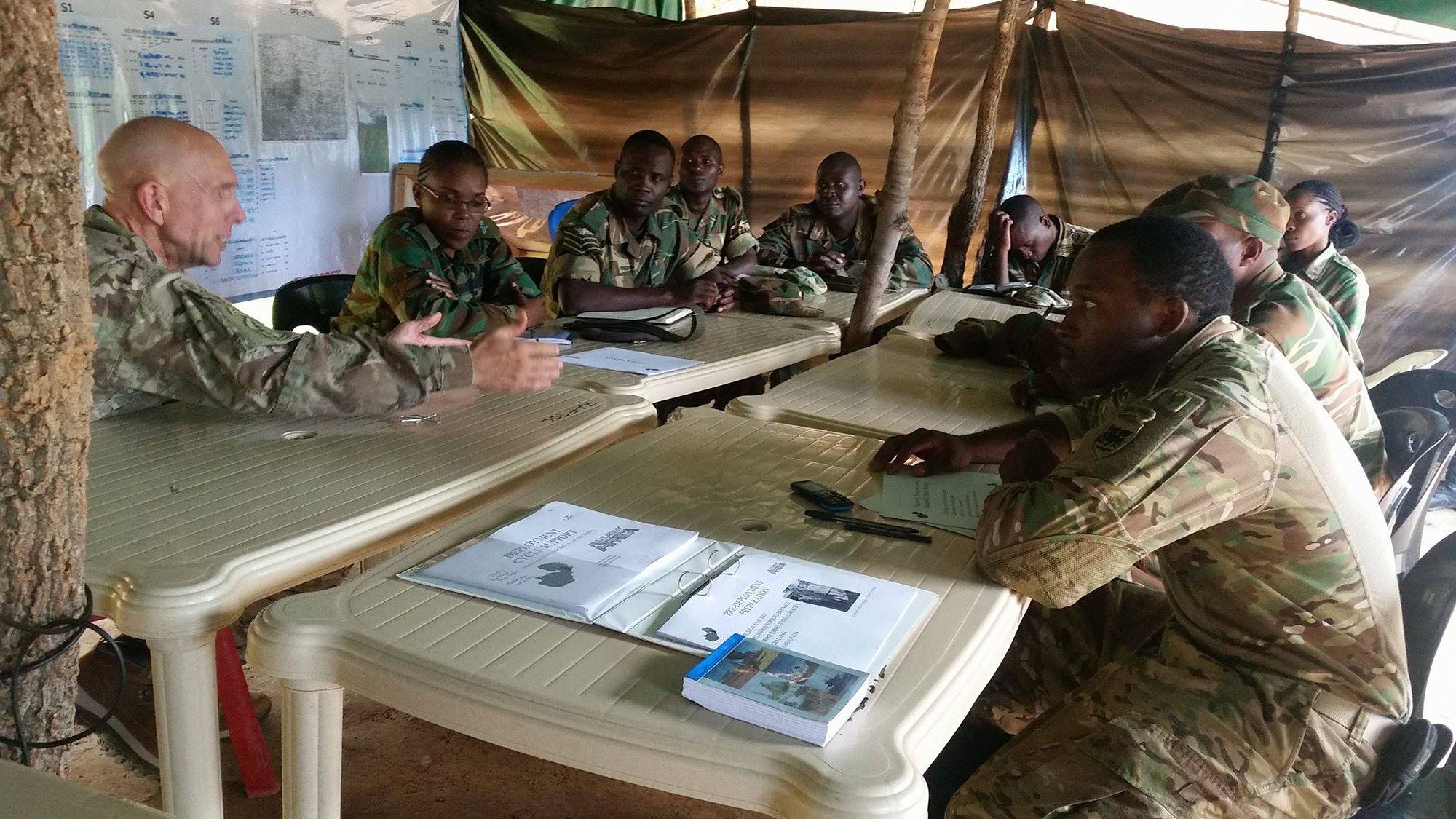
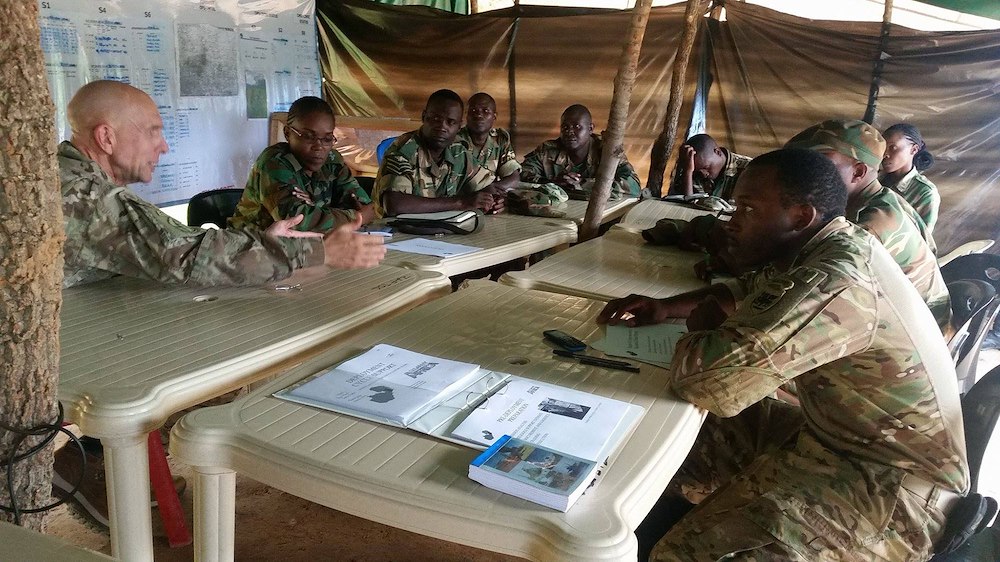
Chaplain (Col.) David Lile (left), the U.S. Army Africa command chaplain, conducts a training for Zambian army and air force chaplain teams at the Nanking army battle training center near Lusaka, Zambia, March 13, 2017. Lile and Sgt. 1st Class George Butler, also assigned the USARAF chaplain section based in Vicenza, Italy, discussed deployment cycle support and spiritual leadership and development components with the Zambian chaplains, who were preparing to support service members scheduled to deploy to Central African Republic and South Sudan on extended peacekeeping missions. (Courtesy photo)
U.S. Army Africa chaplains conduct training for deploying Zambian counterparts
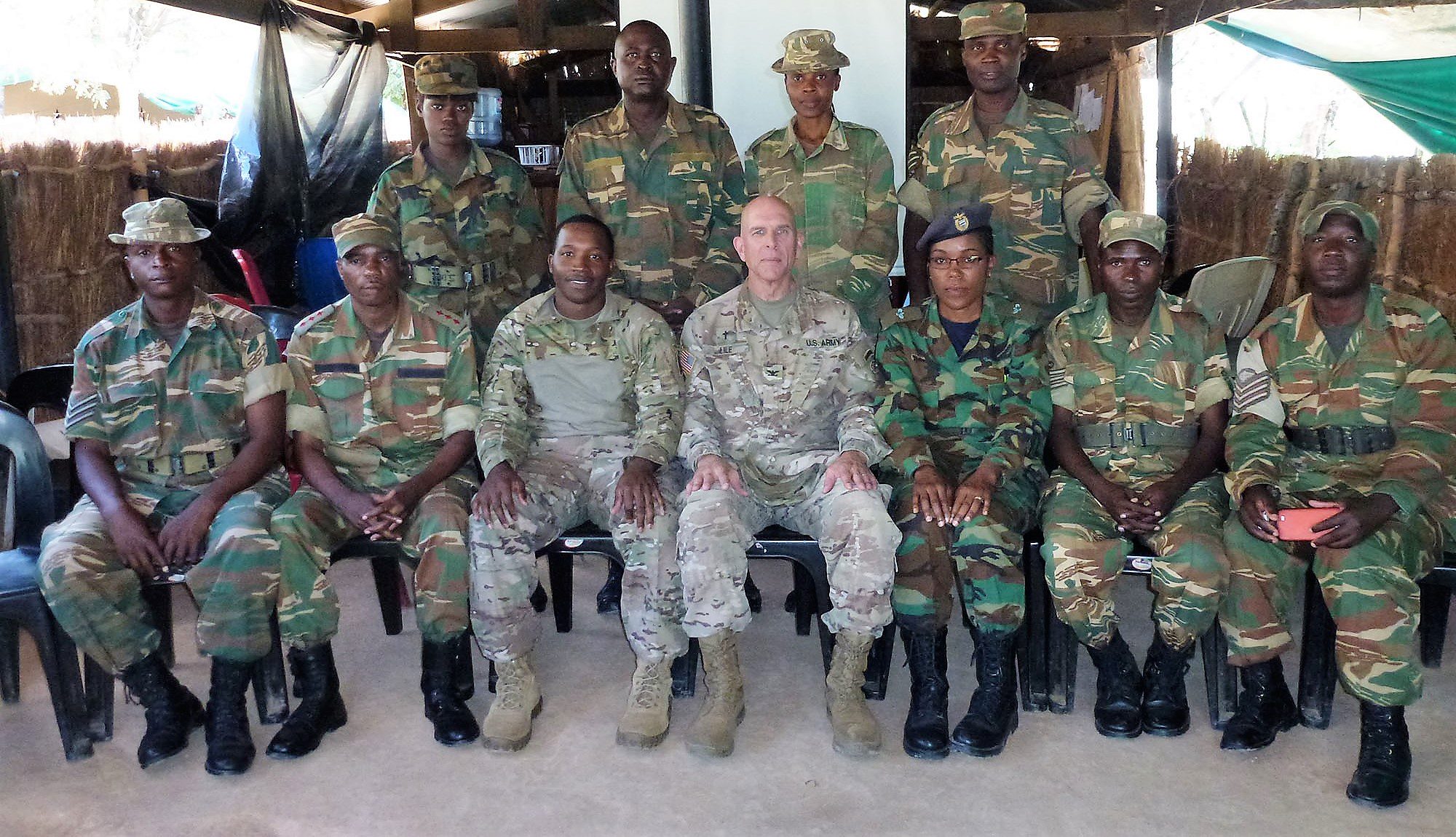
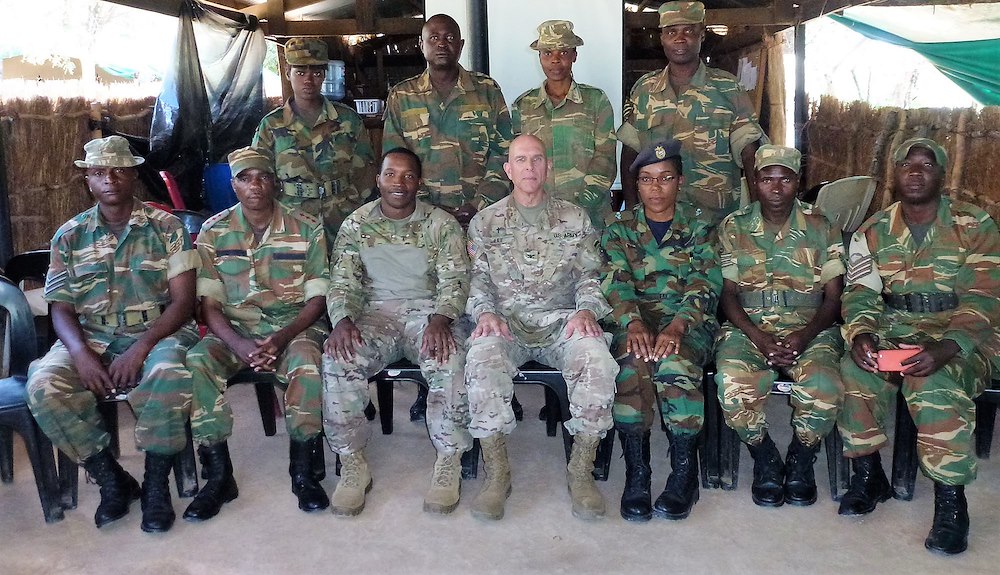
Chaplain (Col.) David Lile (front row, center), the U.S. Army Africa command chaplain, poses for a group photo with Zambian army and air force chaplains at the Nanking army battle training center near Lusaka, Zambia, March 15, 2017. Lile and Sgt. 1st Class George Butler, also assigned the USARAF chaplain section based in Vicenza, Italy, discussed deployment cycle support and spiritual leadership and development components with the Zambian chaplains, who were preparing to support service members scheduled to deploy to Central African Republic and South Sudan on extended peacekeeping missions. (Courtesy photo)
U.S. Soldiers provide veterinarian assistance
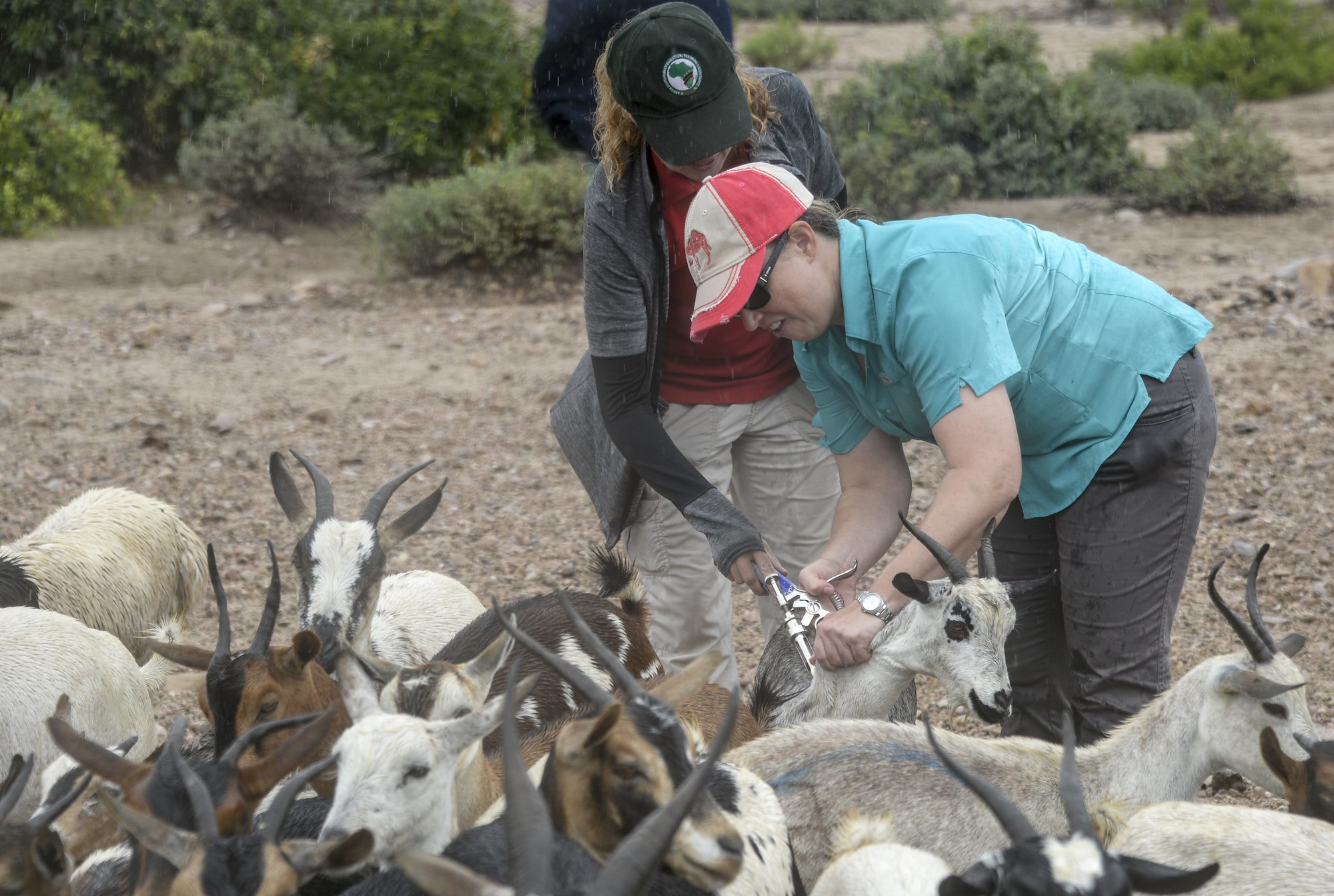
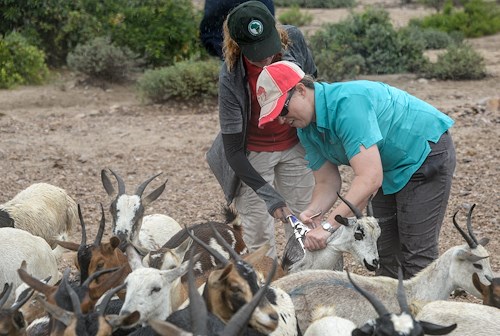
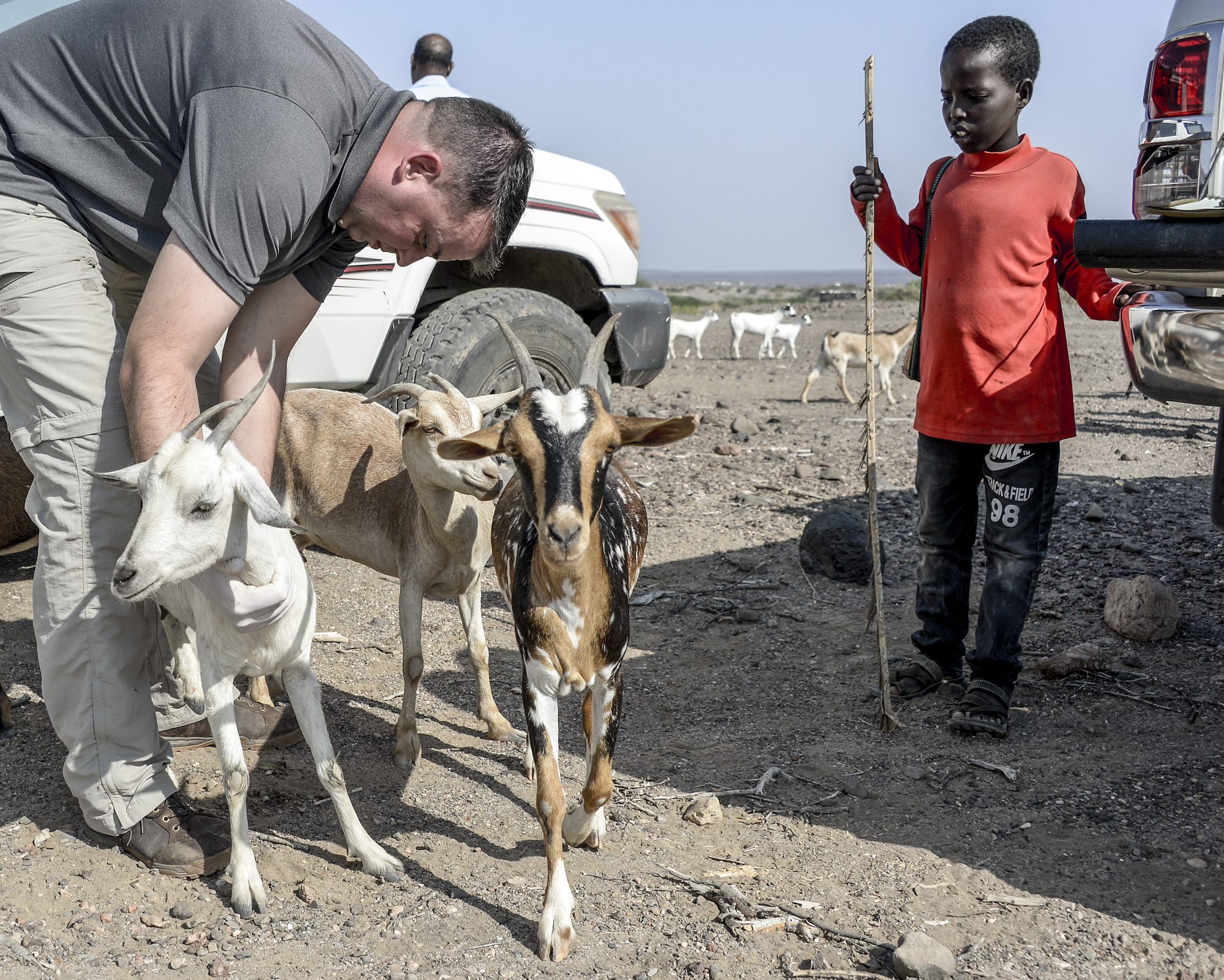
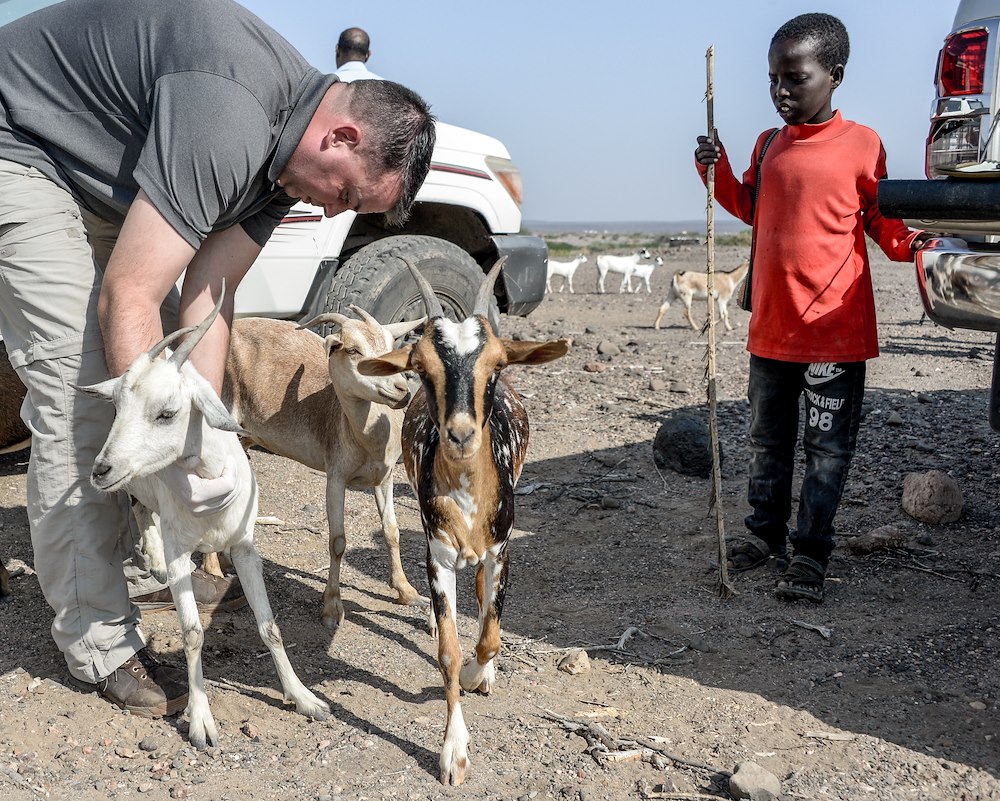
U.S. Army Capt. Sage Umphreys, 418th Civil Affairs Battalion Function Specialty Unit (FxSP) veterinarian, and U.S. Army Sgt. Sarah DeArcy, 411th Civil Affairs Battalion medic, administer anti-parasitic medication to goats outside of Ali Sabieh, Djibouti, March 28, 2017. FxSP teams assigned to Combined Joint Task Force-Horn of Africa routinely travel to the rural regions of Djibouti to treat local livestock herds. On these missions the teams typically treat between 800 and 1,500 animals. (U.S. Air National Guard photo by Staff Sgt. Christian Jadot/Released)
Photo by: U.S. Air Force Staff Sgt. Christian Jadot
U.S. Soldiers provide veterinarian assistance
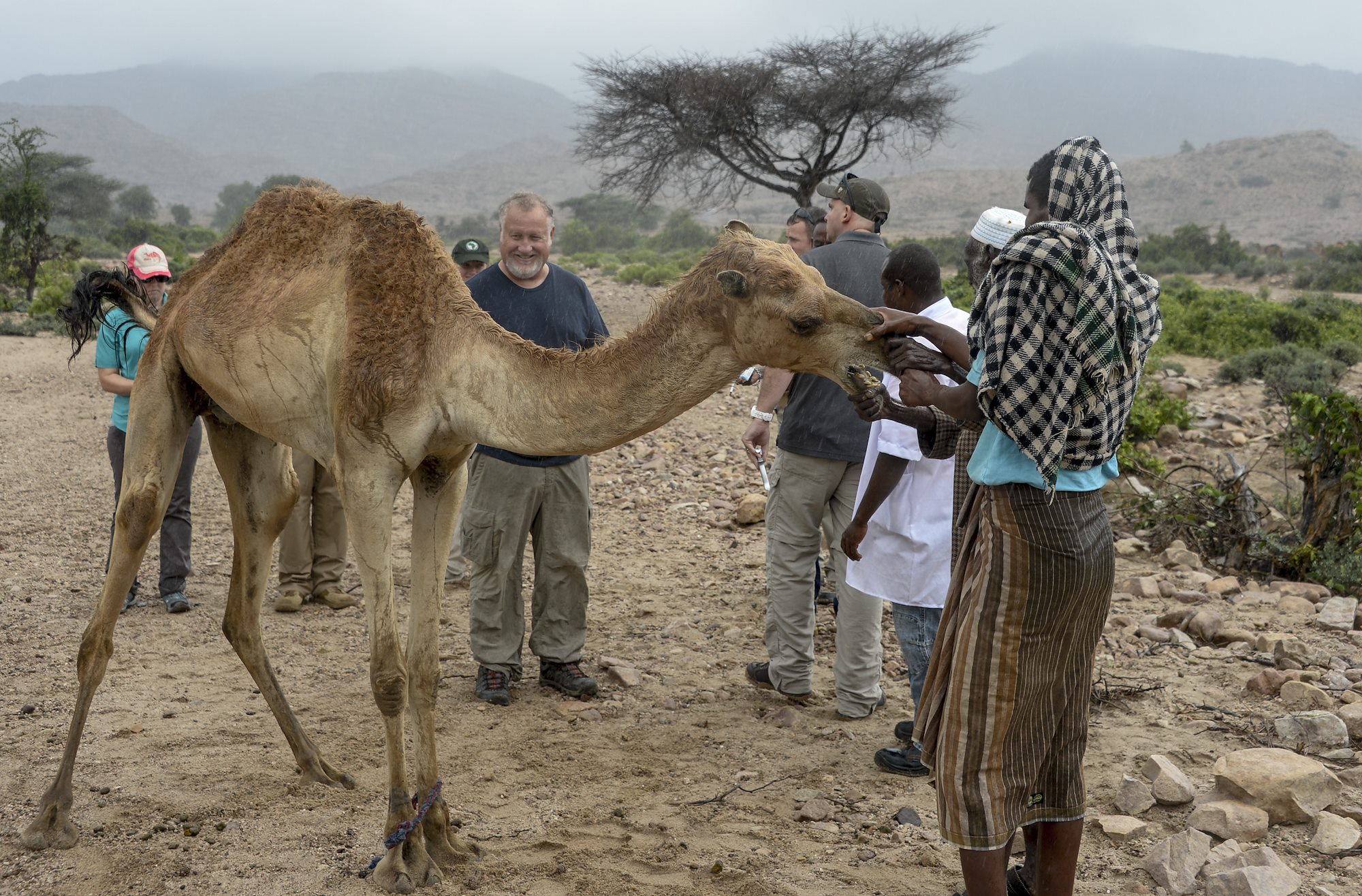
A Djiboutian shepherd subdues his camel while U.S. Army 418th Civil Affairs Battalion Function Specialty Unit (FxSP) personnel treat his livestock during a veterinarian assistance mission outside of Ali Sabieh, Djibouti, March 28, 2017. The veterinarian assistance mission is intended to enhance the capabilities of local animal health workers, ensure animal herd well-being, and strengthen agricultural and economic stability, while fostering positive relationships between the U.S. and partner nations. (U.S. Air National Guard photo by Staff Sgt. Christian Jadot/Released)
Photo by: U.S. Air Force Staff Sgt. Christian Jadot
U.S. Soldiers provide veterinarian assistance
U.S. Army Major Gary Brown, 418th Civil Affairs Battalion (FxSP) senior veterinarian administers anti-parasitic medication during a veterinarian assistance mission outside of Dikhil, Djibouti, March 28, 2017. The veterinarian assistance mission is intended to enhance the capabilities of local animal health workers, ensure animal herd well-being, and strengthen agricultural and economic stability, while fostering positive relationships between the U.S. and partner nations. (U.S. Air National Guard photo by Staff Sgt. Christian Jadot/Released)
Photo by: U.S. Air Force Staff Sgt. Christian Jadot
U.S. Soldiers provide veterinarian assistance
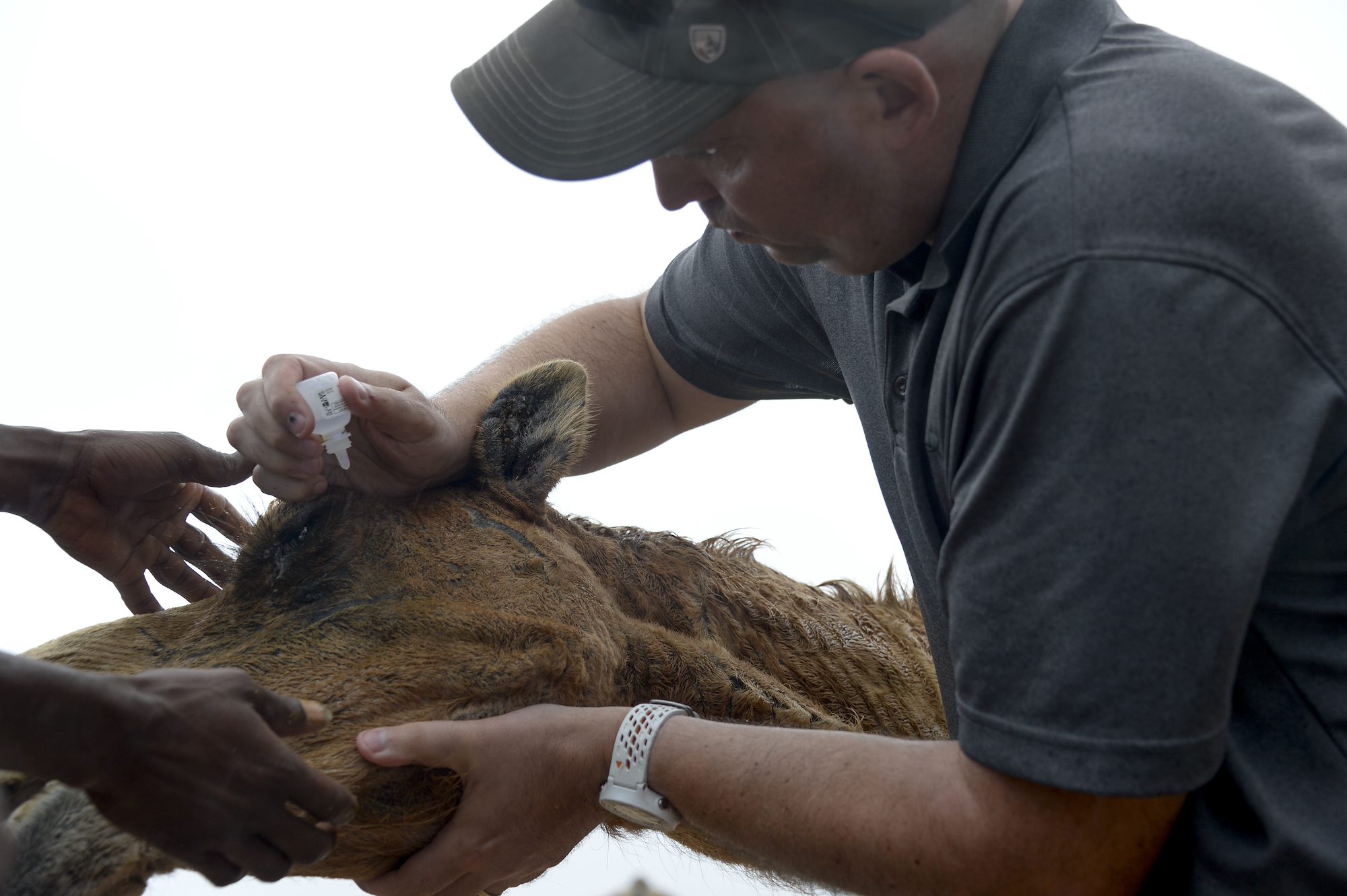
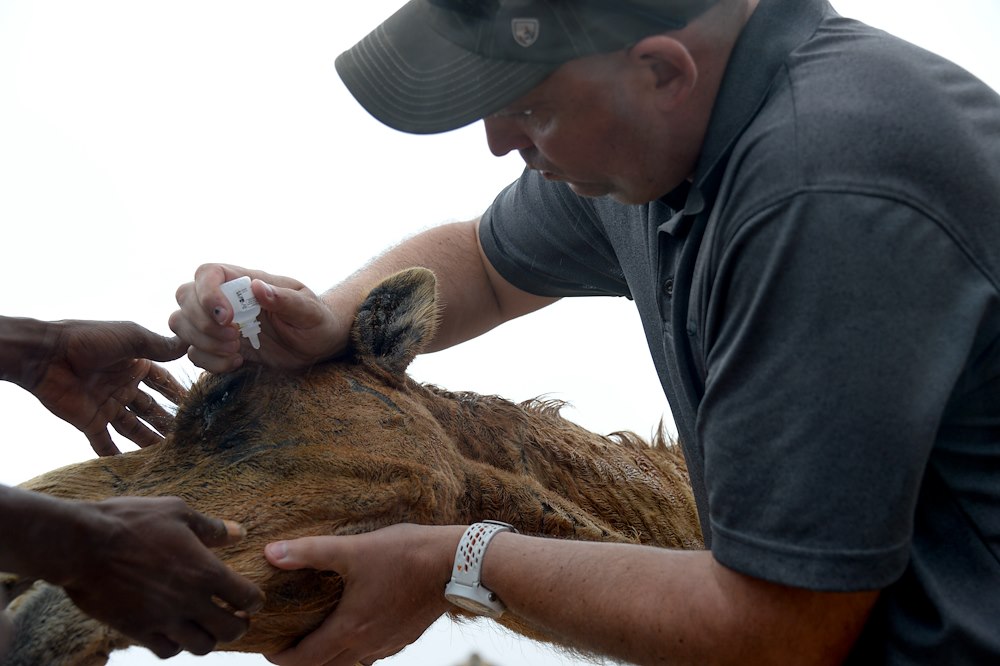
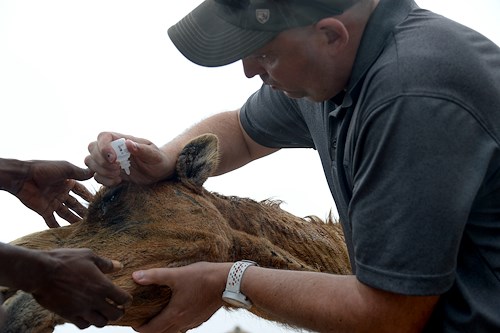
U.S. Army Major Gary Brown, 418th Civil Affairs Battalion (FxSP) senior veterinarian, treats a camel’s infected eye in a rural area outside of Ali Sabieh, Djibouti, March 28, 2017. FxSP members assigned to Combined Joint Task Force-Horn of Africa administered anti-parasitic medication and provided basic treatment of upper repertory infections as part of their veterinarian assistance mission. (U.S. Air National Guard photo by Staff Sgt. Christian Jadot/Released)
Photo by: U.S. Air Force Staff Sgt. Christian Jadot
U.S. Soldiers provide veterinarian assistance
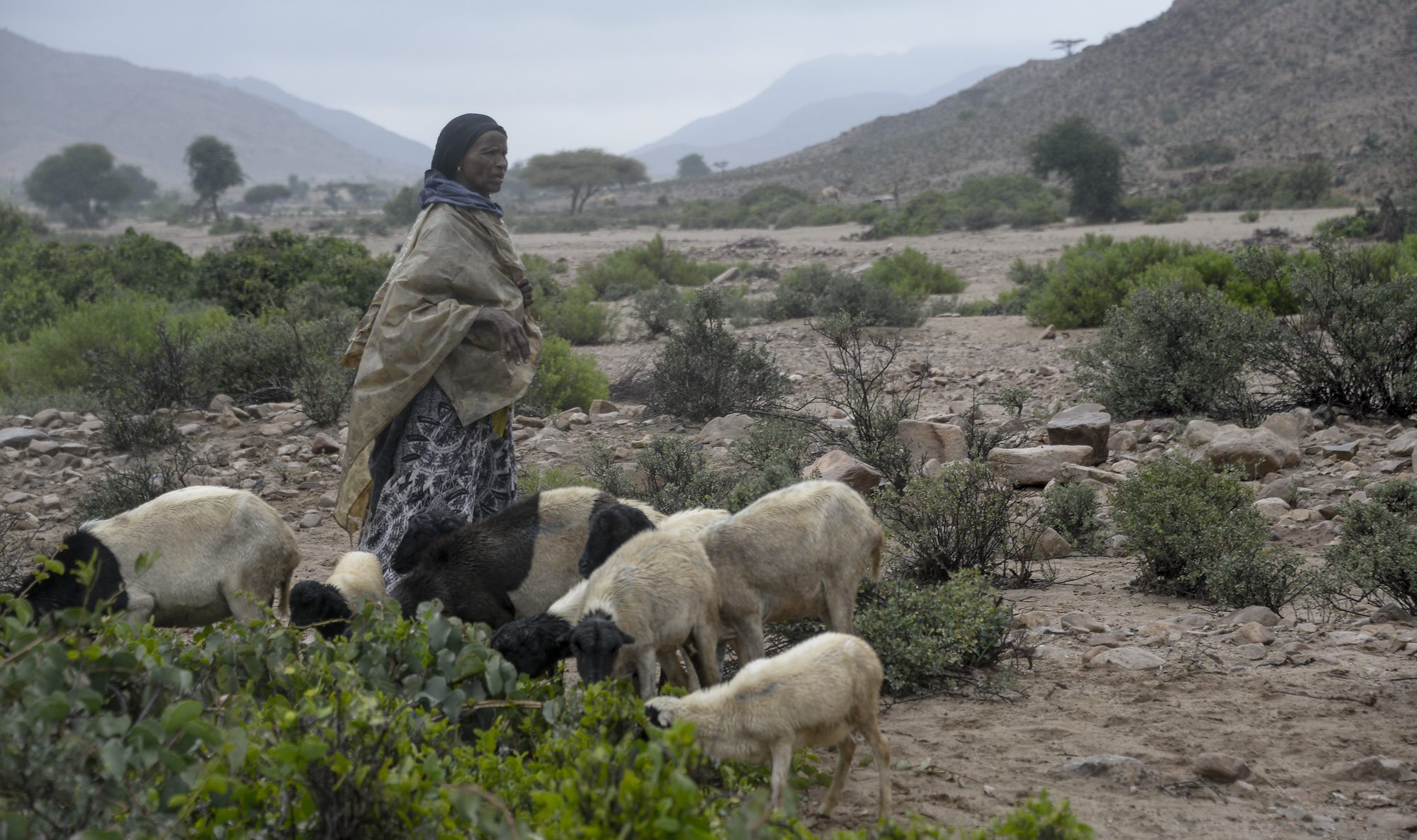
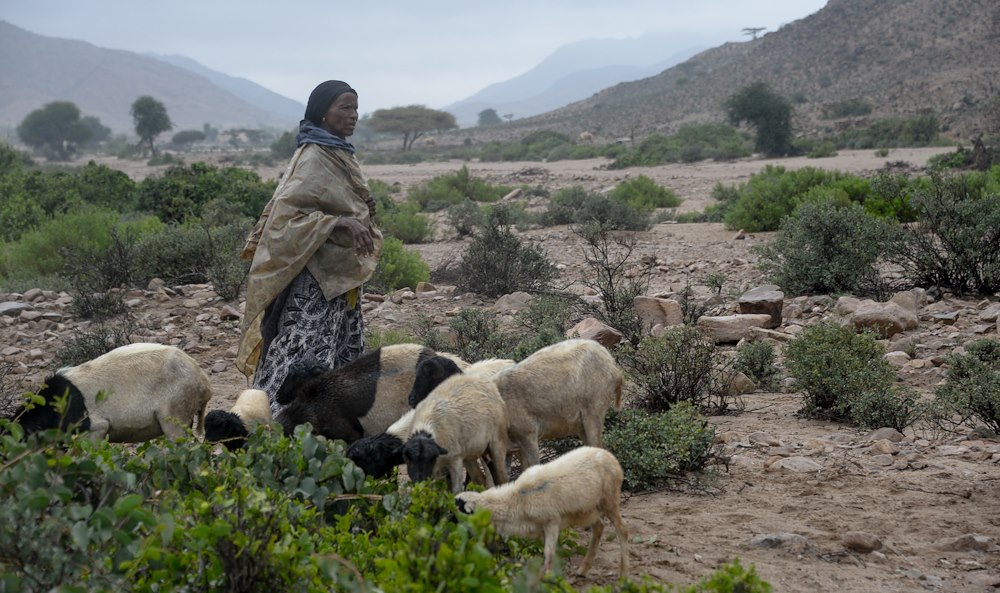
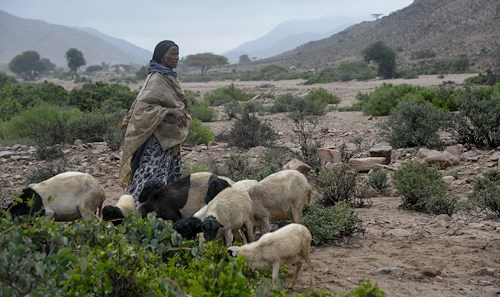
A Djiboutian shepherd waits in the rain for U.S. Soldiers with the 418th Civil Affairs Battalion Function Specialty Unit (FxSP) to treat her livestock in a rural area outside of Ali Sabieh, Djibouti, March 28, 2017. Livestock, such as goats and sheep are essential for the survival of nomadic people in the summer desert climate of east Africa. (U.S. Air National Guard photo by Staff Sgt. Christian Jadot/Released)
Photo by: U.S. Air Force Staff Sgt. Christian Jadot
U.S. Soldiers provide veterinarian assistance
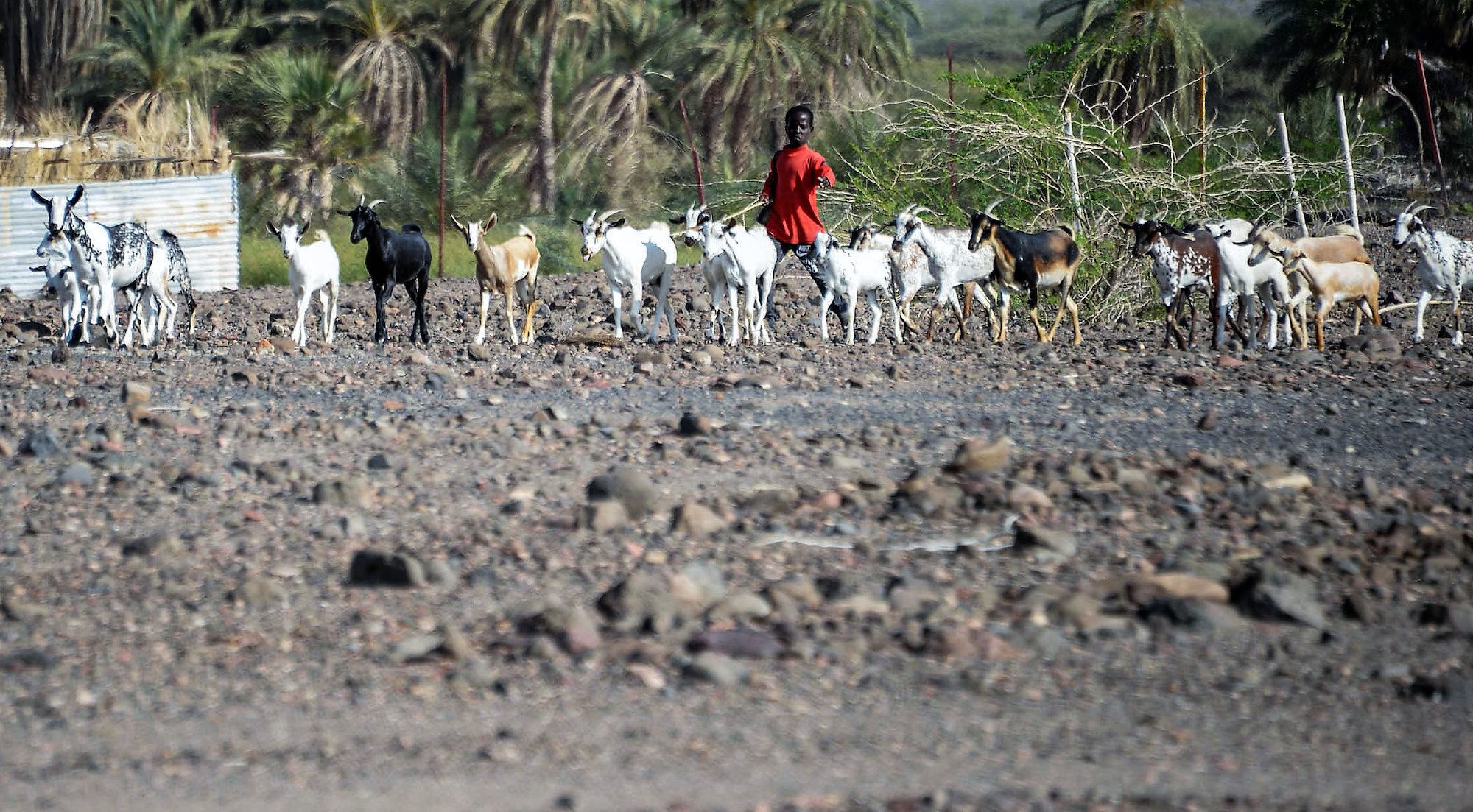
A young Djiboutian boy herds goats toward U.S. Soldiers with the 418th Civil Affairs Battalion Function Specialty Unit (FxSP) in a rural area outside of Dikhil, Djibouti, April 3, 2017. As part of their veterinarian assistance mission, FxSP members administered anti-parasitic medication to ward off the parasites that steal the animal’s nutrients and energy, increasing their survivability during the dry summer months. (U.S. Air National Guard photo by Staff Sgt. Christian Jadot/Released)
Photo by: U.S. Air Force Staff Sgt. Christian Jadot
AFRICOM holds forum to discuss migration challenges
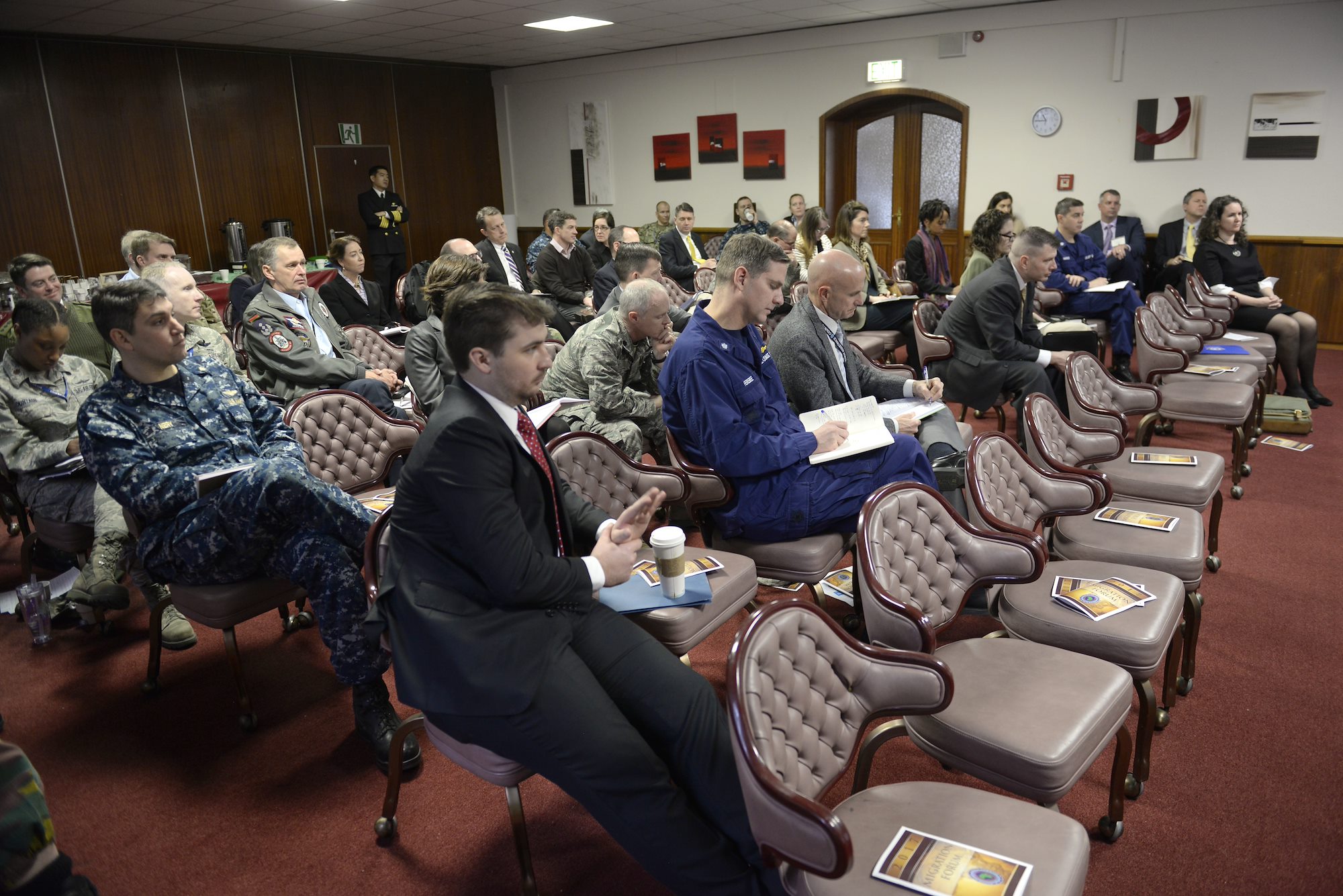
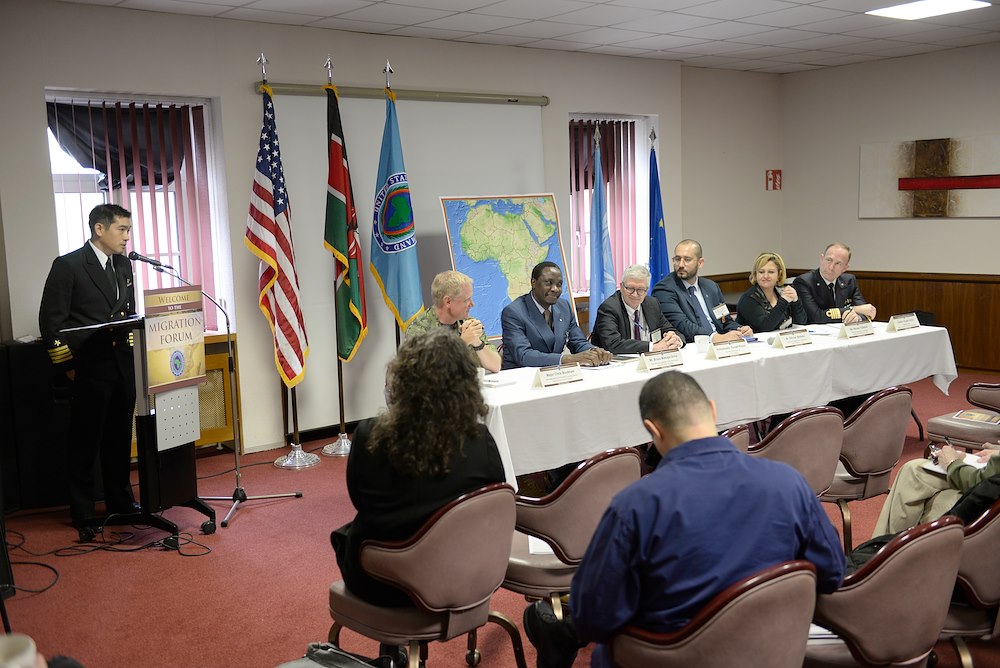
U.S. Africa Command staff members and international partners attend a migration forum hosted by AFRICOM, March 24, 2017, on Kelly Barracks, Stuttgart, Germany.
Photo by: U.S. Army Staff Sgt. Grady Jones
AFRICOM holds forum to discuss migration challenges
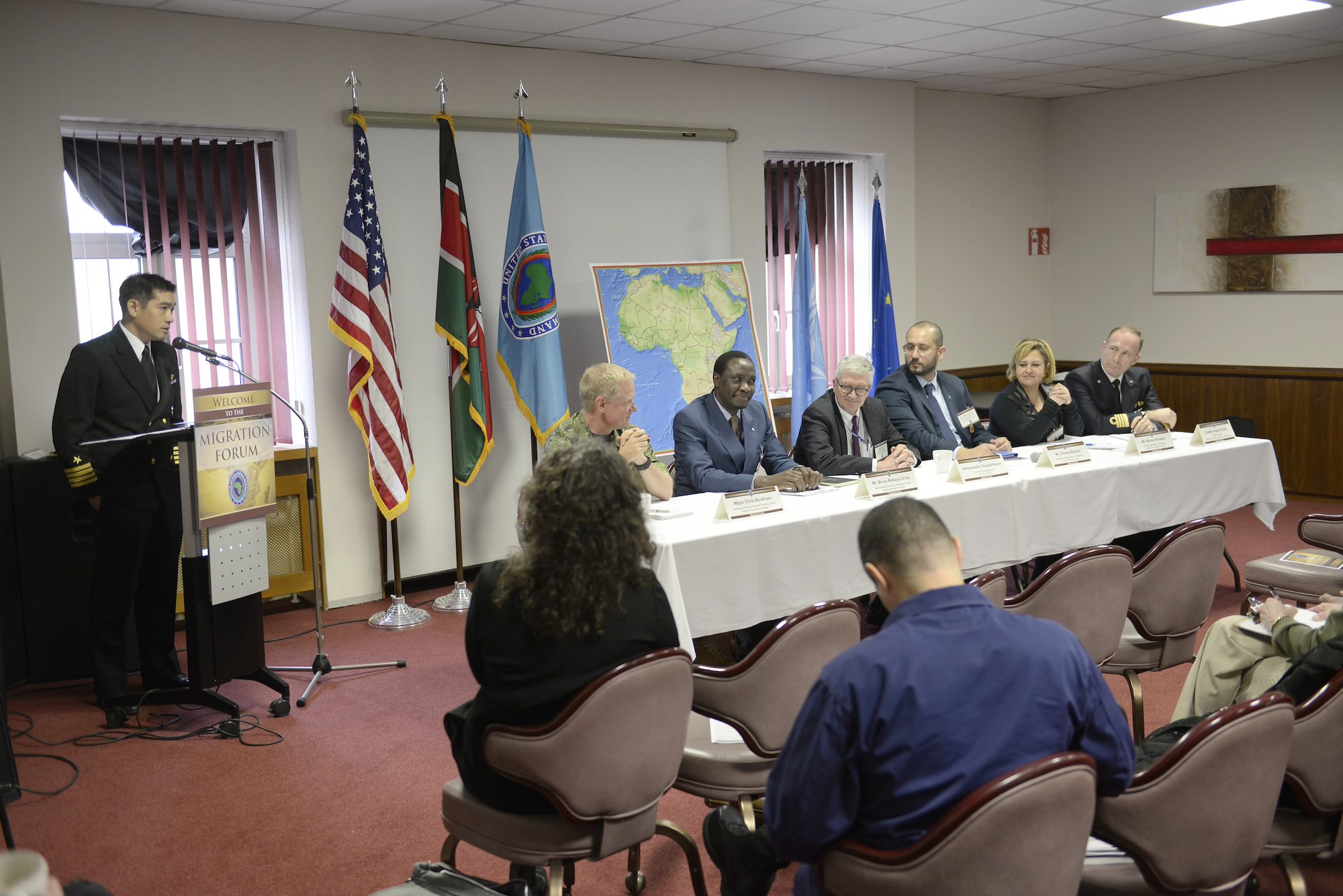
Capt. Mark Asuncion, director, Multinational Cooperation Center and Strategic Outreach Division / J5-I, U.S. Africa Command, speaks to attendees of the AFRICOM Migration Forum, March 24, 2017, Kelly Barracks, Stuttgart, Germany.
Photo by: U.S. Army Staff Sgt. Grady Jones
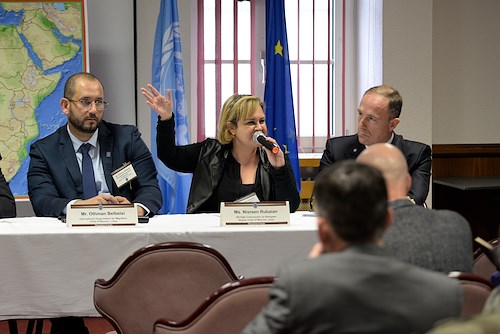
AFRICOM holds forum to discuss migration challenges
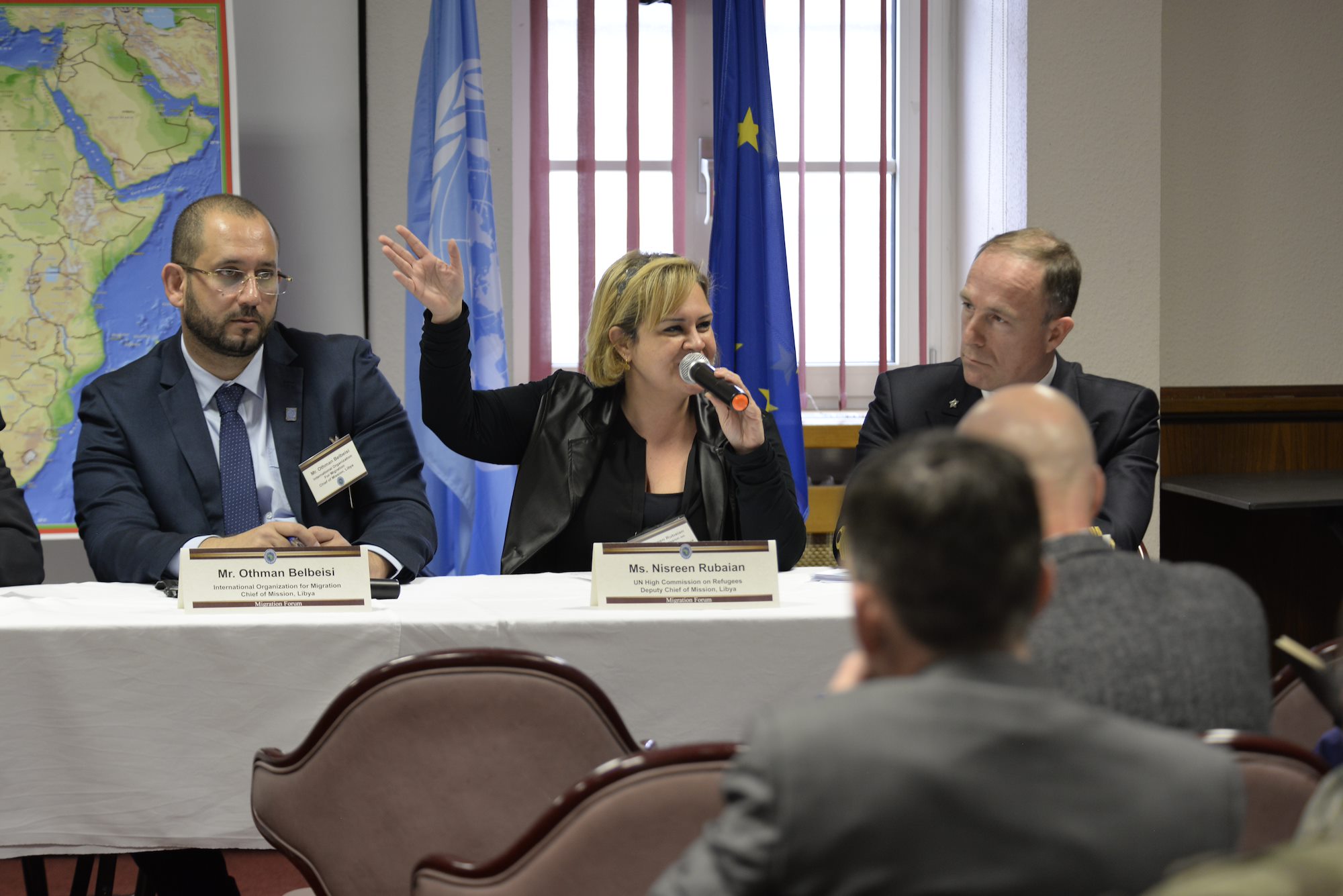
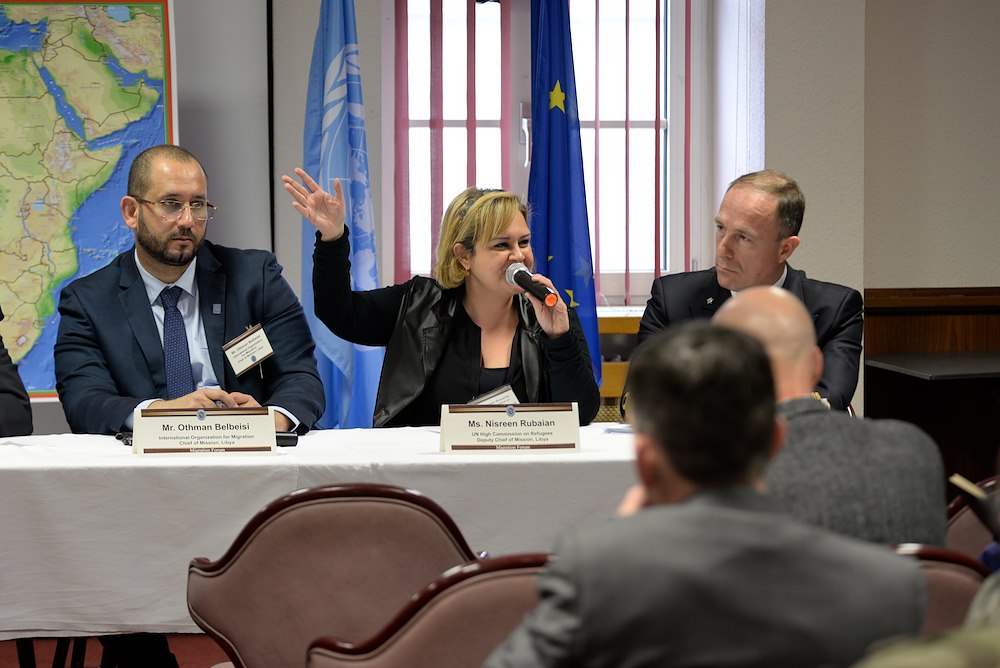
Nisreen Rubaian, senior protection officer and deputy chief of mission, United Nations High Commission onf Refugees, Libya Office, addresses attendees of a migration forum hosted by U.S. Africa Command, March 24, 2017, Kelly Barracks, Stuttgart, Germany.
Photo by: U.S. Army Staff Sgt. Grady Jones
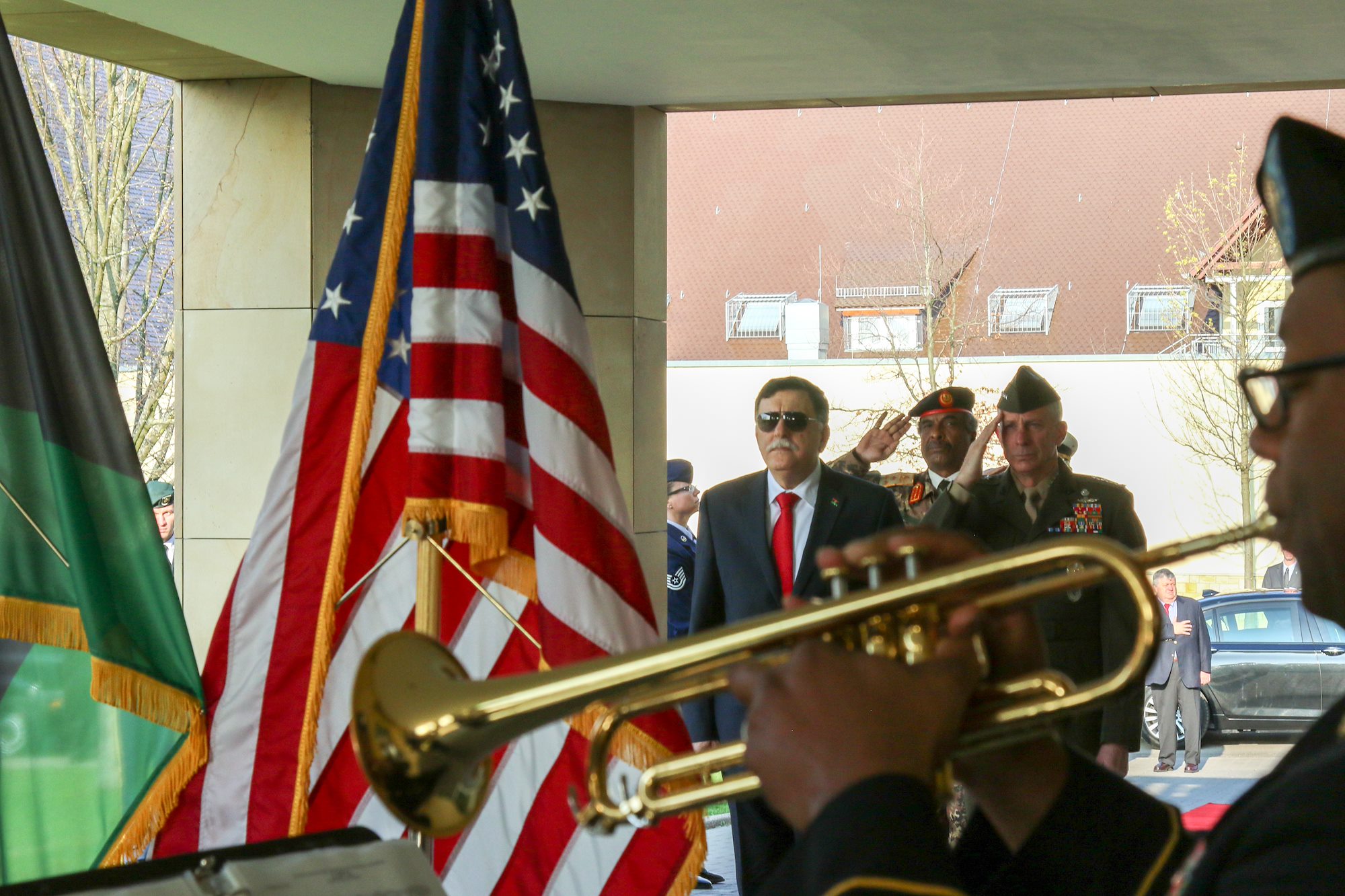
Prime Minister of Libyan Government of National Accord visits AFRICOM
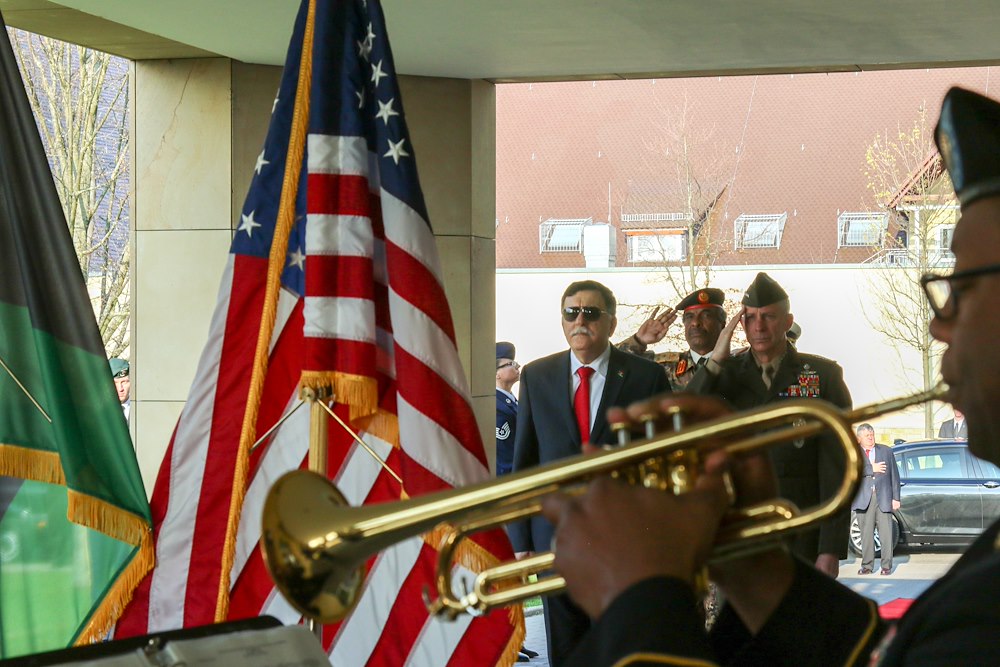
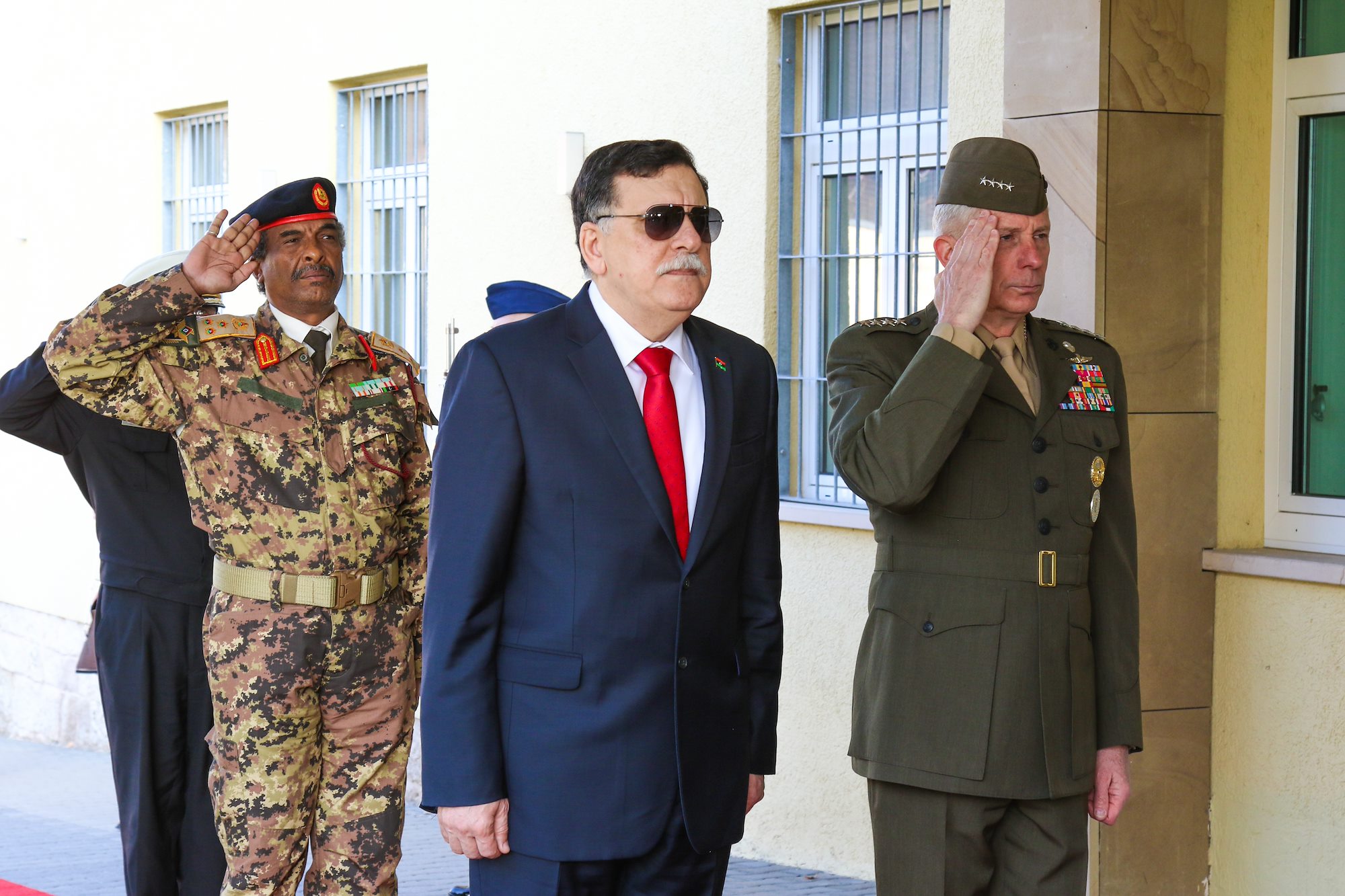
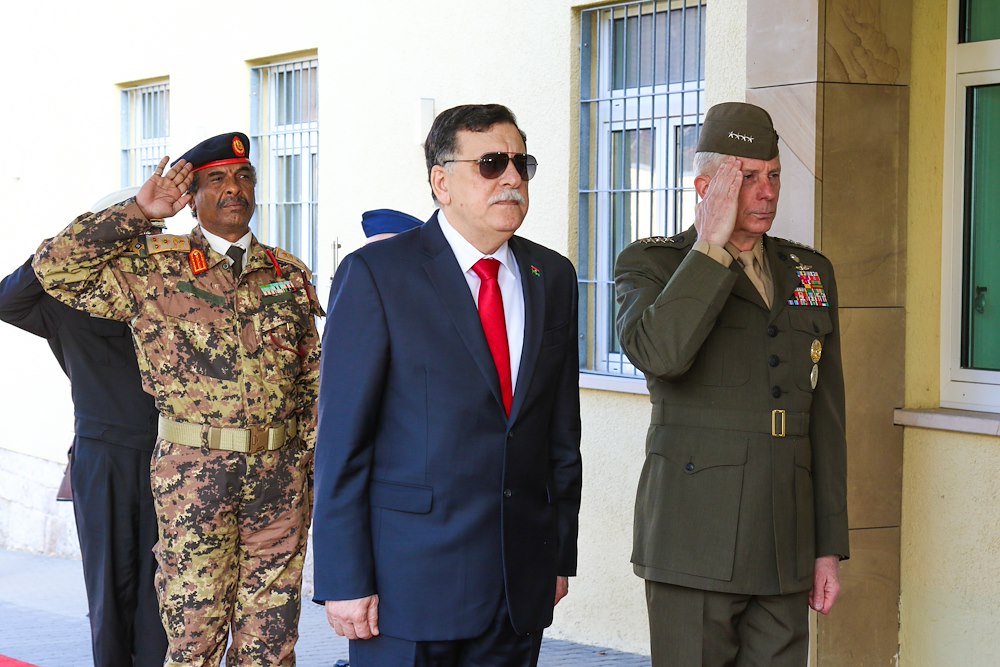
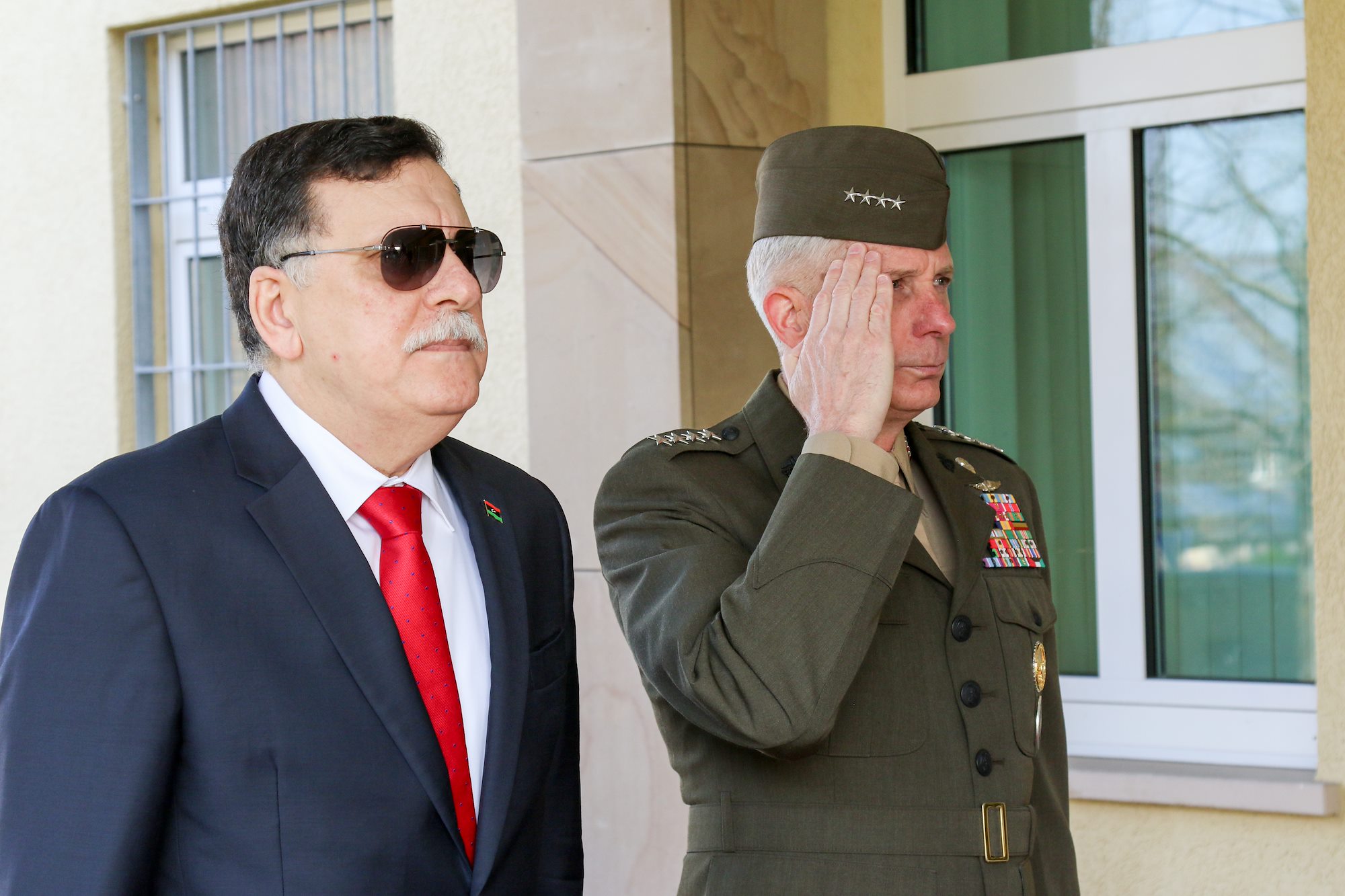
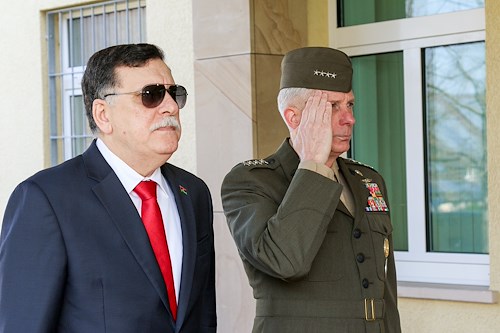
Libyan Prime Minister Fayez al-Sarraj and U.S. Marine Corps Gen. Thomas D. Waldhauser, Commander, U.S. Africa Command, salute while a quintet from the U.S. Army Europe band play the Libyan and U.S. anthems April 5, 2017 at the AFRICOM Headquarters in Stuttgart, Germany. This marks Sarraj's second visit to AFRICOM's headquarters in Germany.
Photo by: Nate Herring, Stuttgart, Germany
Prime Minister of Libyan Government of National Accord visits AFRICOM
Libyan Prime Minister Fayez al-Sarraj and U.S. Marine Corps Gen. Thomas D. Waldhauser, Commander, U.S. Africa Command, salute the Libyan and U.S. flags during an arrival ceremony April 5, 2017 at the AFRICOM Headquarters in Stuttgart, Germany. This marks Sarraj's second visit to AFRICOM's headquarters in Germany.
Photo by: Nate Herring, Stuttgart, Germany
Prime Minister of Libyan Government of National Accord visits AFRICOM
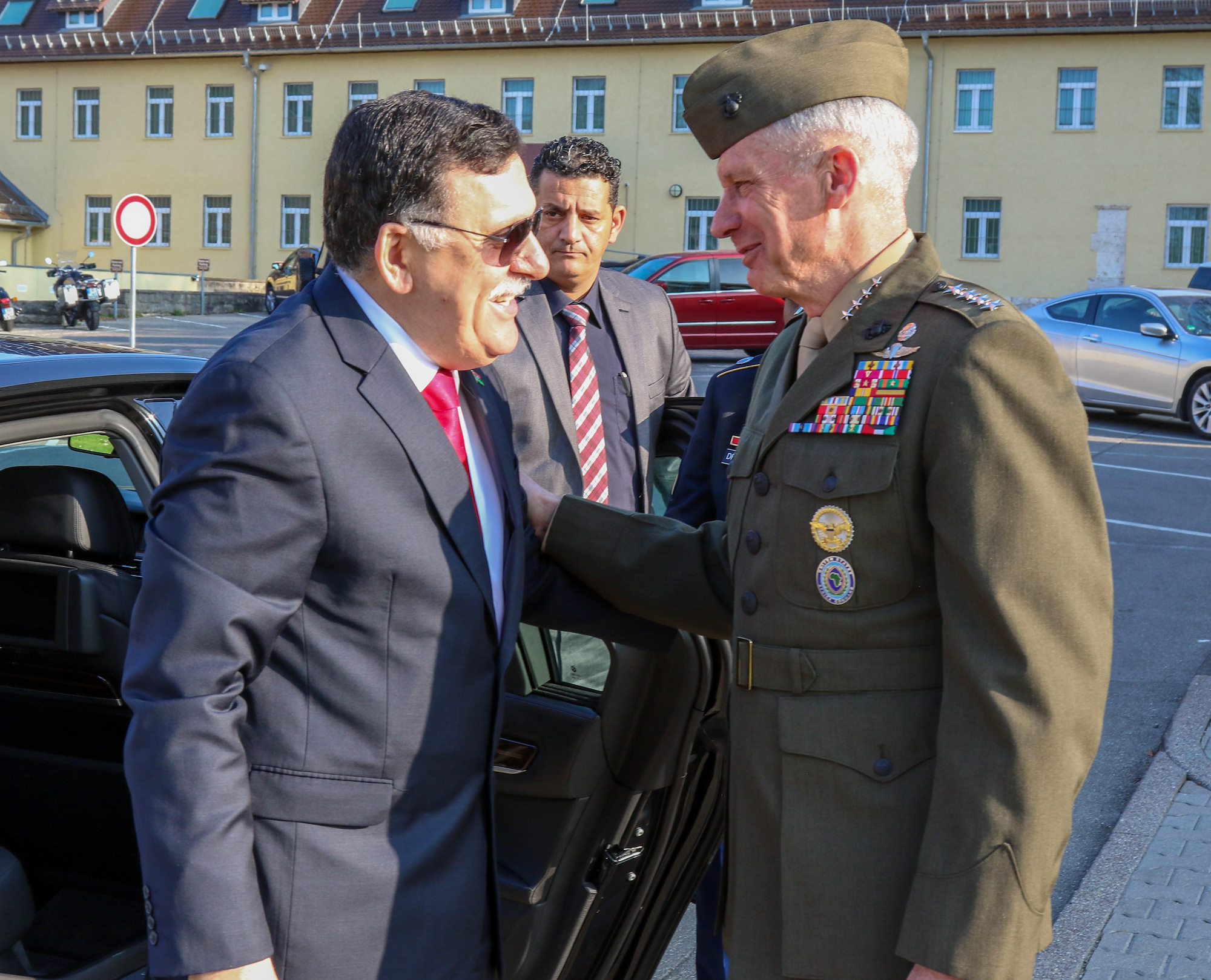
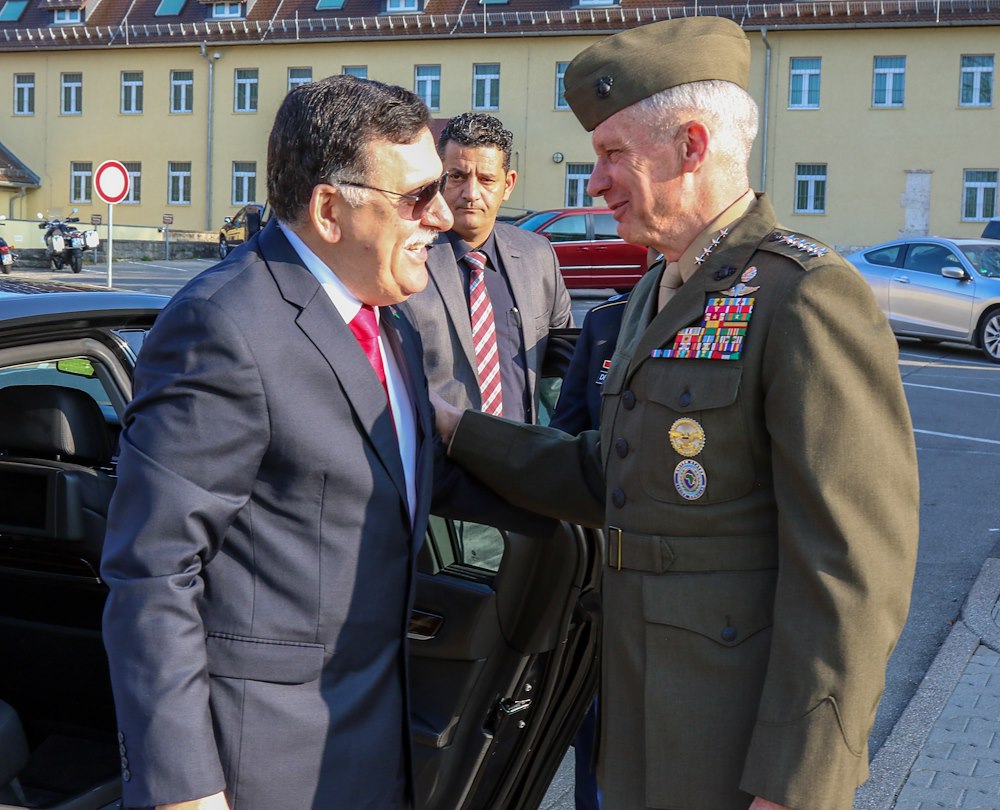
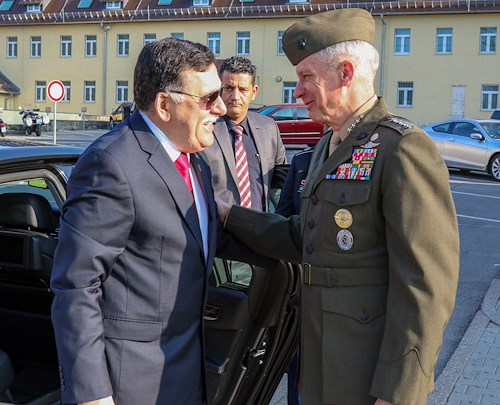
U.S. Marine Corps Gen. Thomas D. Waldhauser, Commander, U.S. Africa Command greets Libyan Prime Minister Fayez al-Sarraj during a visit April 5, 2017 at the AFRICOM headquarters in Stuttgart, Germany.
Photo by: Nate Herring, Stuttgart, Germany
Prime Minister of Libyan Government of National Accord visits AFRICOM
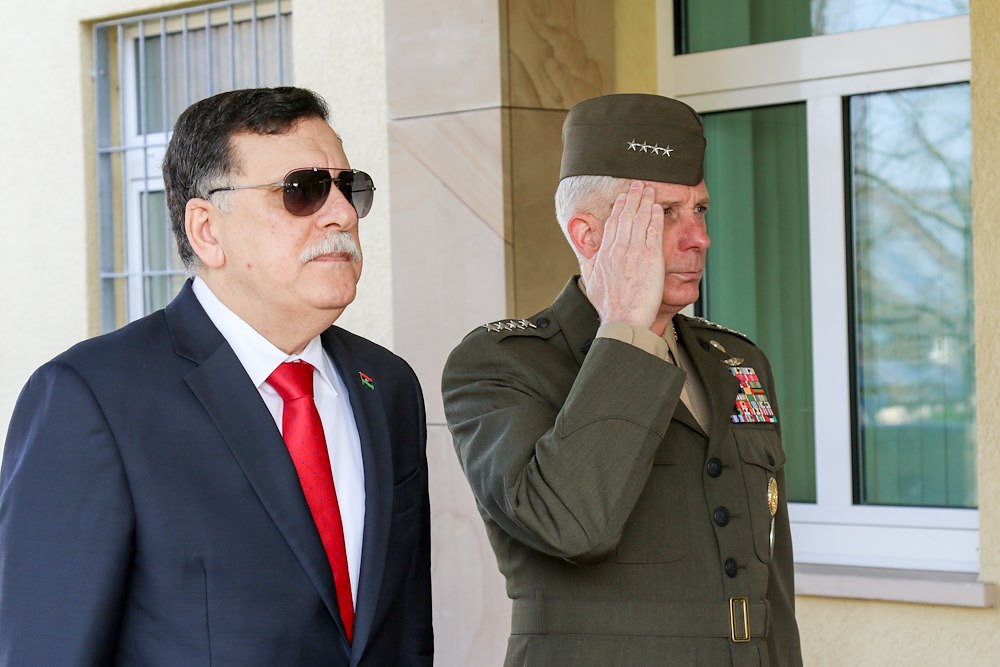
Libyan Prime Minister Fayez al-Sarraj and U.S. Marine Corps Gen. Thomas D. Waldhauser, Commander, U.S. Africa Command, salute the Libyan and U.S. flags during an arrival ceremony April 5, 2017 at the AFRICOM Headquarters in Stuttgart, Germany. This marks Sarraj's second visit to AFRICOM's headquarters in Germany.
Photo by: Nate Herring, Stuttgart, Germany
Prime Minister of Libyan Government of National Accord visits AFRICOM
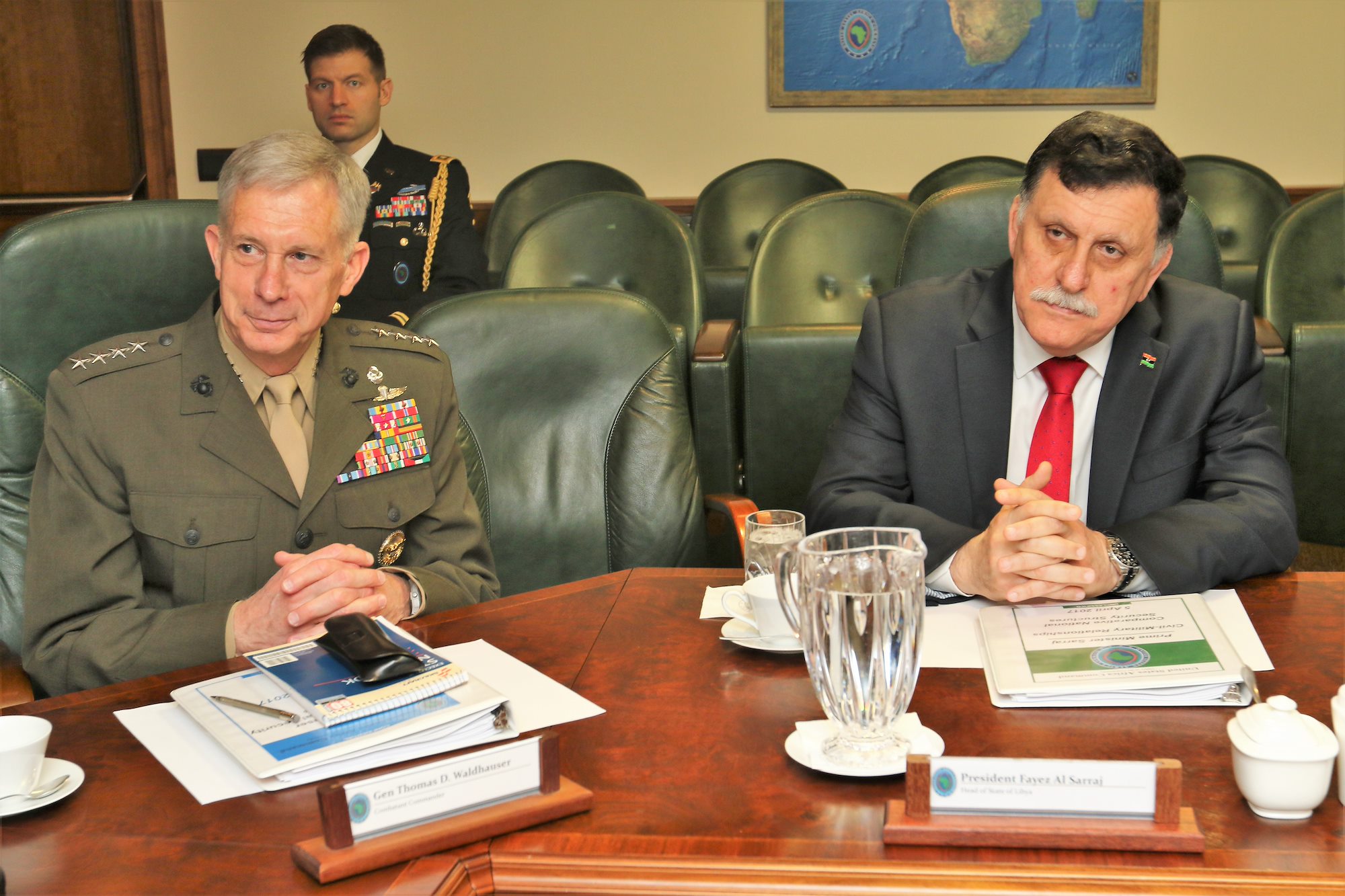
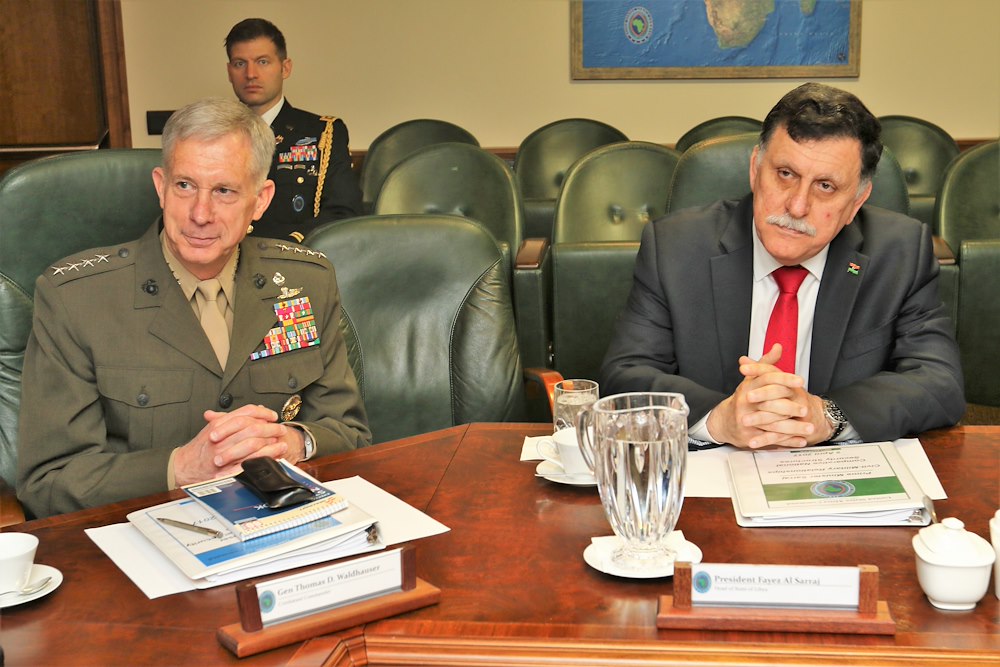
Libyan Prime Minister Fayez al-Sarraj and U.S. Marine Corps Gen. Thomas D. Waldhauser, Commander, U.S. Africa Command, deliver opening remarks prior to briefings at the AFRICOM headquarters in Stuttgart, Germany. Sarraj visited AFRICOM to receive operational updates and discuss future U.S. cooperation in Libya
Photo by: Nate Herring, Stuttgart, Germany
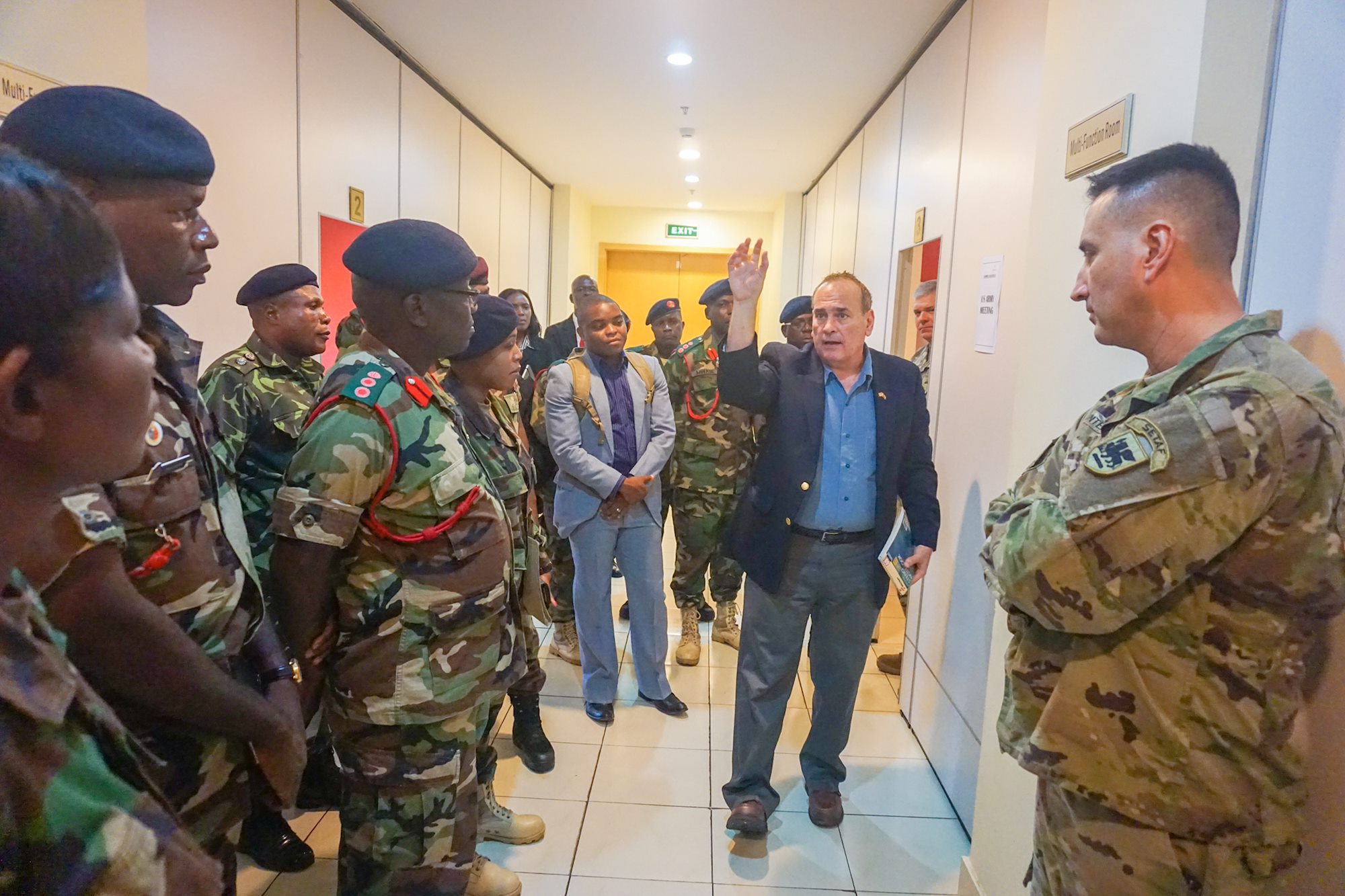
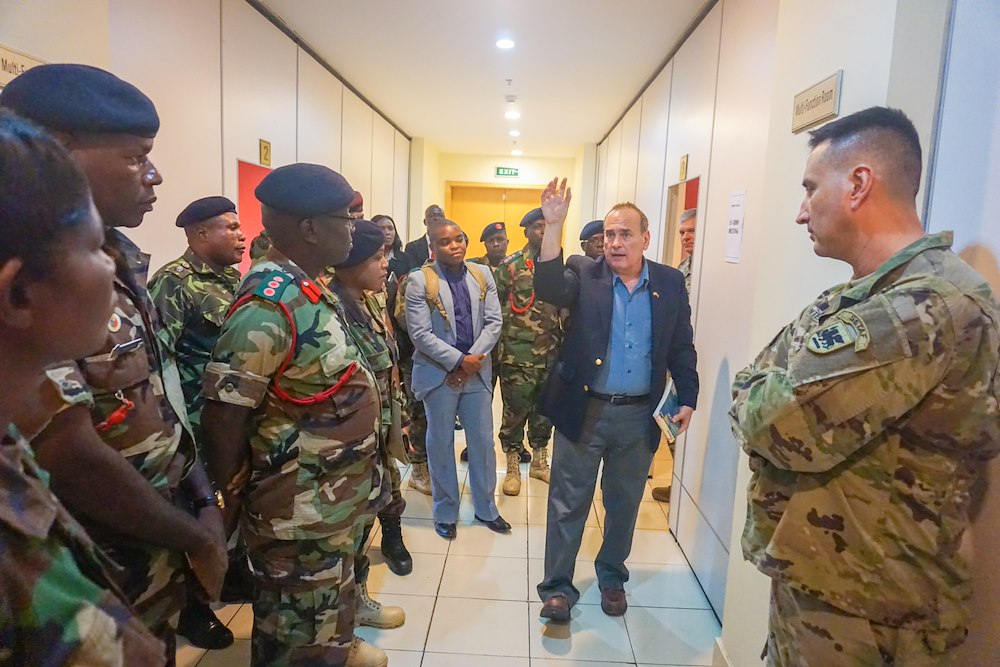
US, Malawi military planners put final touches on African Land Forces Summit 2017
Manuel Melendez, U.S. Army Africa conference planner, briefs U.S. and Malawi military planners at the Bingu Wa Mutharika International Conference Center during the final planning event for the Africa Land Forces Summit 2017, Lilongwe, Malawi, March 27, 2017. ALFS is an annual, weeklong seminar bringing together land force chiefs from across Africa for candid dialog to discuss and develop cooperative solutions to regional and trans-regional challenges and threats.
Photo by: Capt. Jason Welch
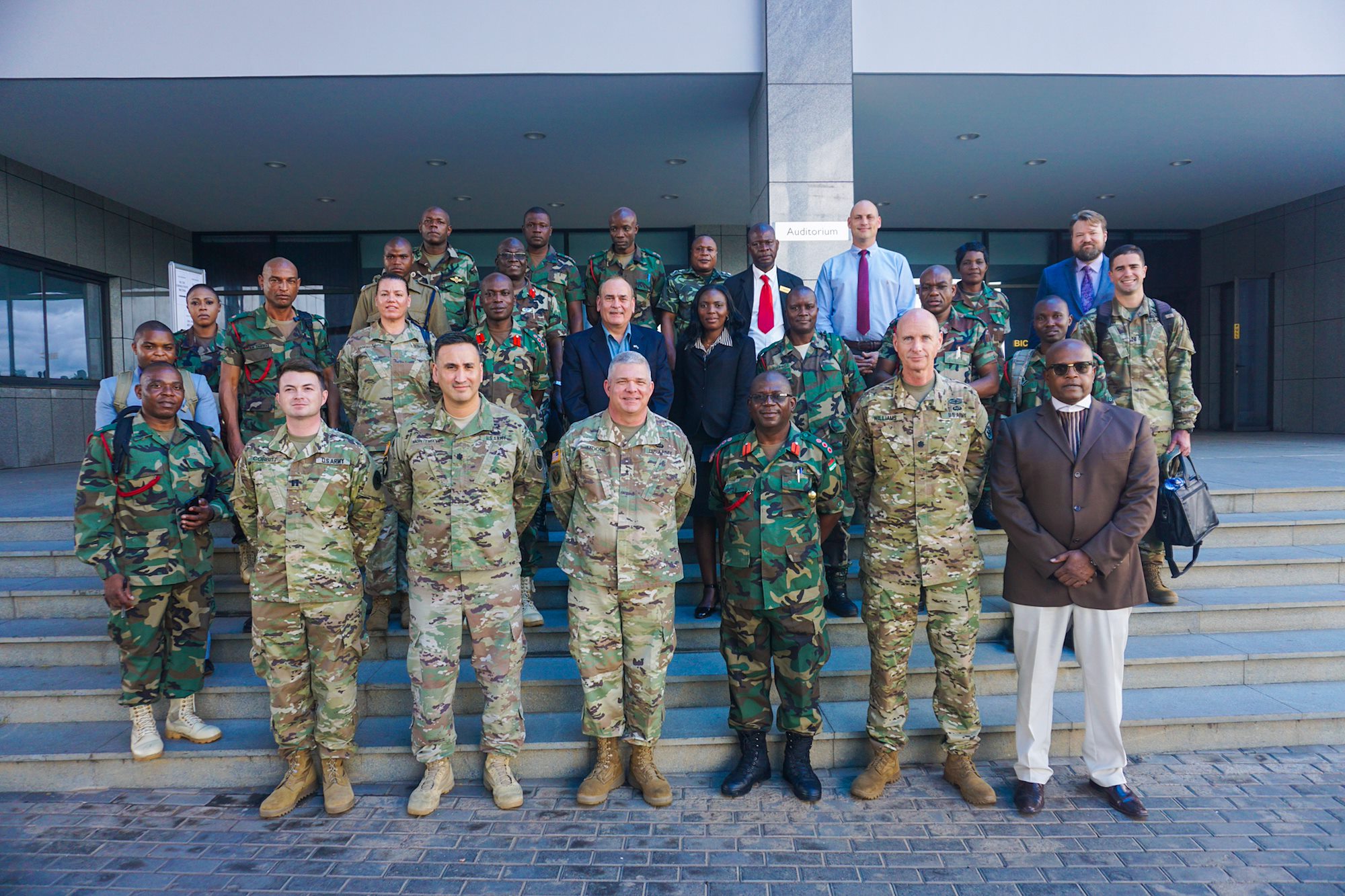
US, Malawi military planners put final touches on African Land Forces Summit 2017
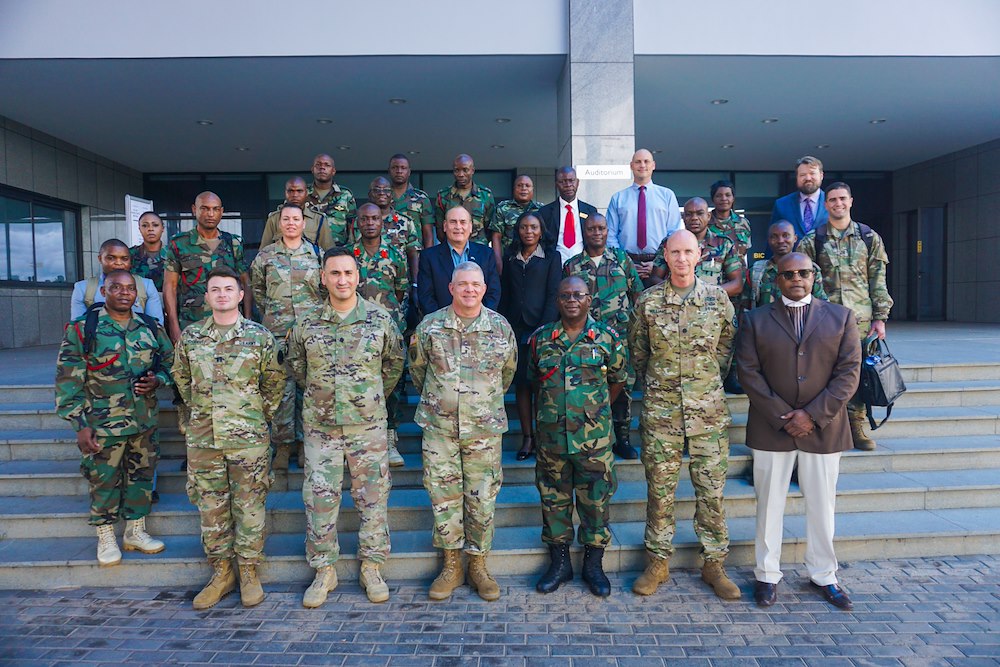
Malawi and U.S. military planners pose for a group photo at the Bingu Wa Mutharika International Conference Center during the final planning event for the Africa Land Forces Summit 2017, Lilongwe, Malawi, March 27, 2017. ALFS is an annual, weeklong seminar bringing together land force chiefs from across Africa for candid dialog to discuss and develop cooperative solutions to regional and trans-regional challenges and threats.
Photo by: Capt. Jason Welch
US, Malawi military planners put final touches on African Land Forces Summit 2017
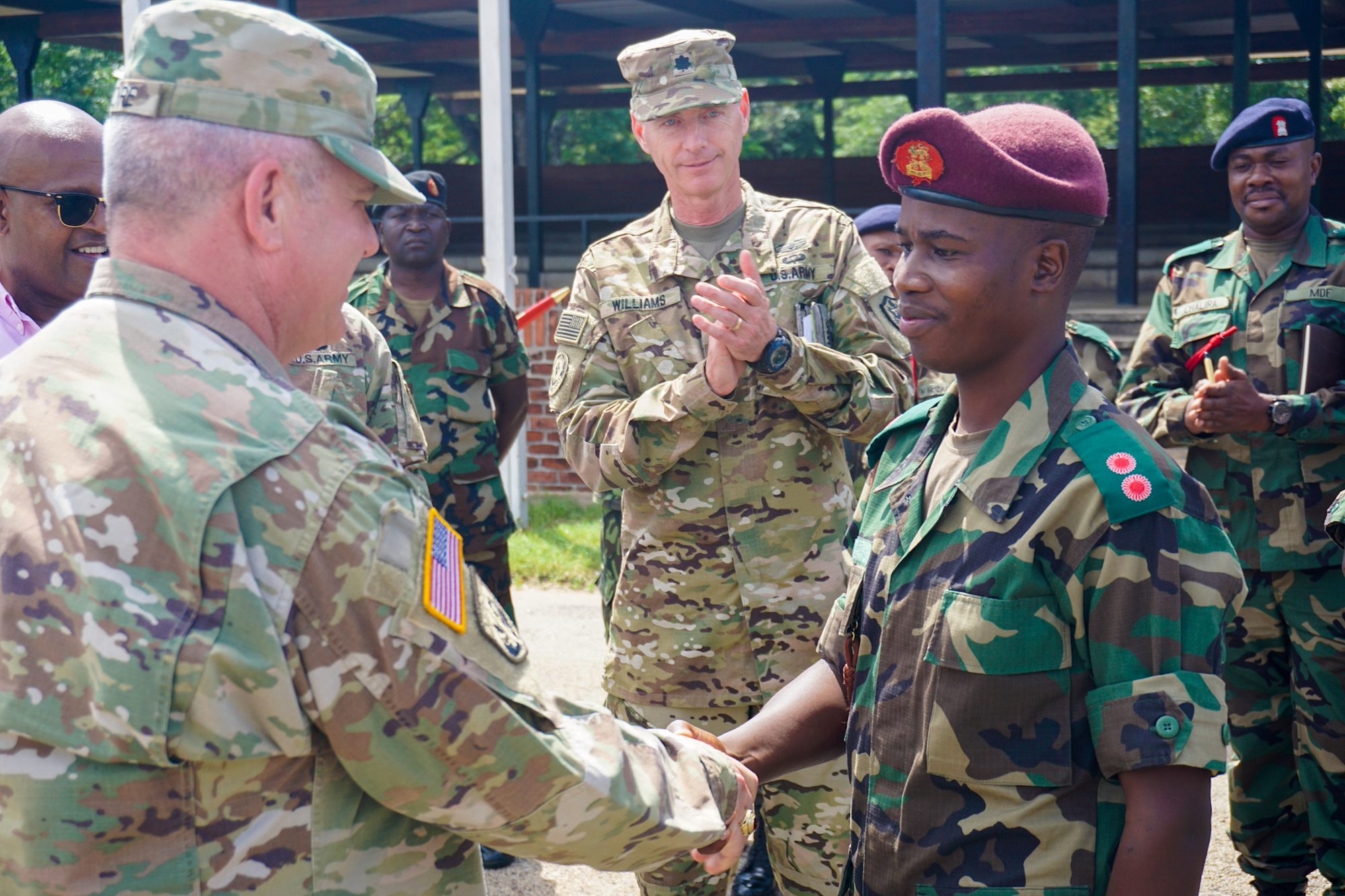
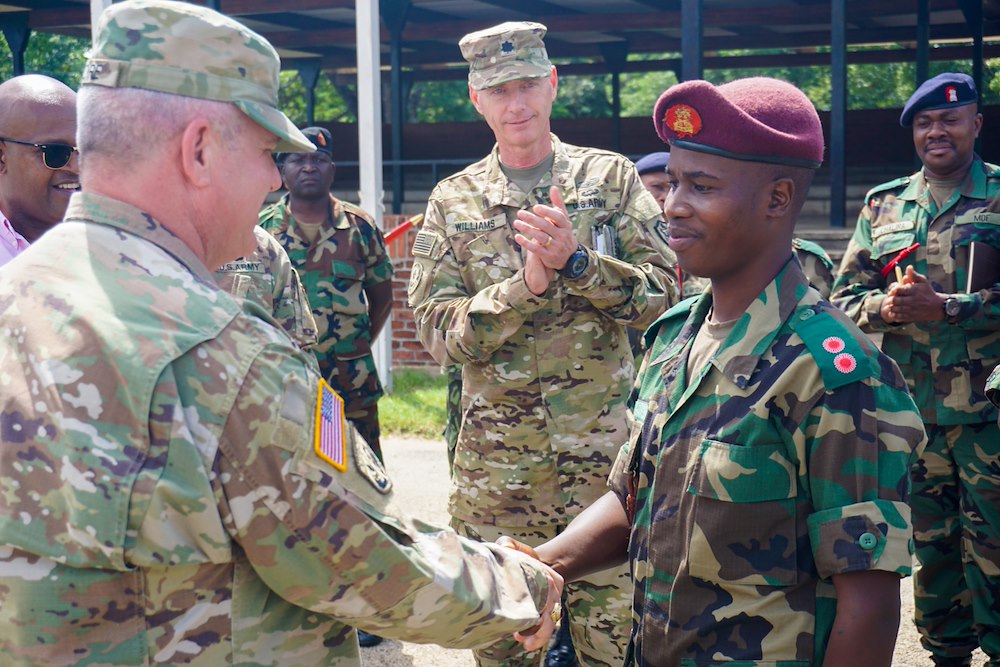
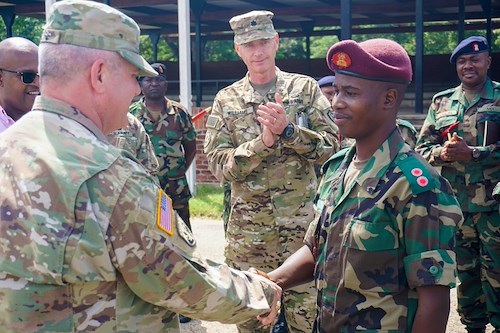
U.S. Army Brig. Gen. Kenneth Moore, U.S. Army Africa deputy commander, thanks a Malawi airborne lieutenant after he briefed the gathered Malawi and U.S. military planners near the Malawi Armed Forces College, Salima, Malawi, during the final planning event for the Africa Land Forces Summit 2017, March 28, 2017. ALFS is an annual, weeklong seminar bringing together land force chiefs from across Africa for candid dialog to discuss and develop cooperative solutions to regional and trans-regional challenges and threats.
Photo by: Capt. Jason Welch
US, Malawi military planners put final touches on African Land Forces Summit 2017
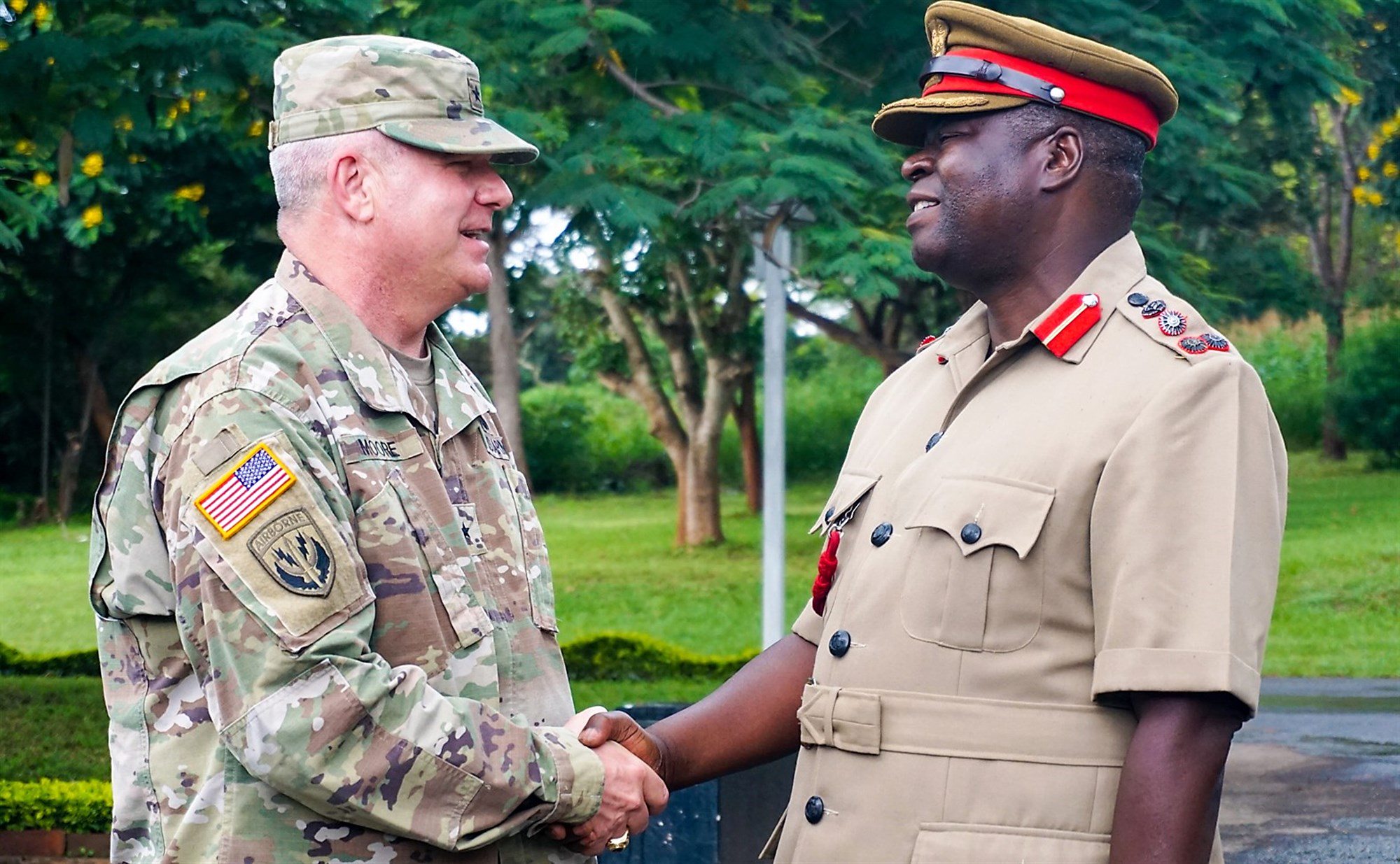
U.S. Army Brig. Gen. Kenneth Moore, U.S. Army Africa deputy commander, meets with Malawi Brig. Gen. Paul Phiri, Malawi Defense Force chief of training, at the Kumuzu Barracks, Lilongwe, Malawi, during the final planning event for the Africa Land Forces Summit 2017, March 27, 2017. ALFS is an annual, weeklong seminar bringing together land force chiefs from across Africa for candid dialog to discuss and develop cooperative solutions to regional and trans-regional challenges and threats. (Photo by Capt. Jason Welch, U.S. Army Africa Public Affairs/Released)
Photo by: Capt. Jason Welch