https://www.africom.mil/syndication-feed/atom/images
×
Justified Accord 17: Increasing interoperability is key to a secure Africa
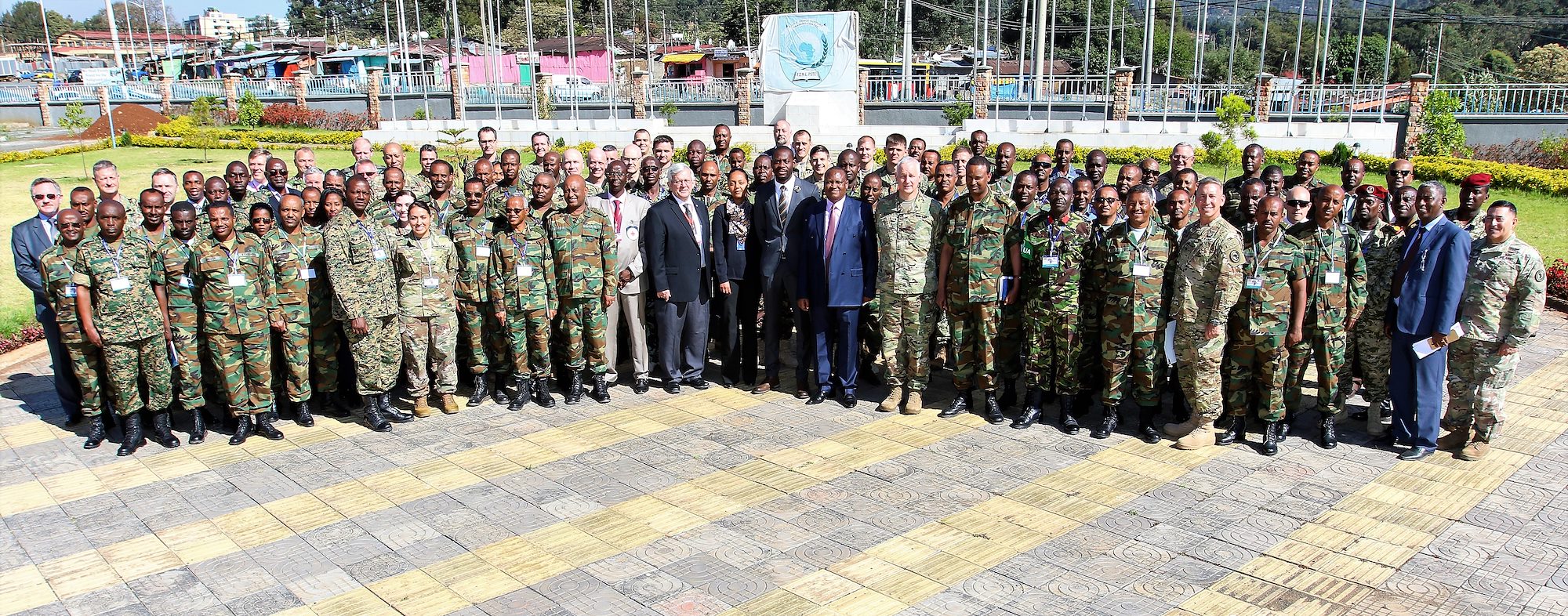
Participants of the U.S. Army Africa-led exercise Justified Accord 17 pose for a group photo following a ceremony held on Mar. 20, 2017, at the Peace and Support Training Center in Addis Ababa, Ethiopia. The exercise is an annual combined joint exercise focused on bringing together U.S., African partners, Western partners, and international organizations to promote interoperability thru collaboration for peacekeeping operations in the East Africa region. (U.S. Army Africa photo by Staff Sgt. Lance Pounds/Released)
Photo by: Staff Sgt. Lance Pounds
JRTC rotation strengthens U.S.-Uganda partnership
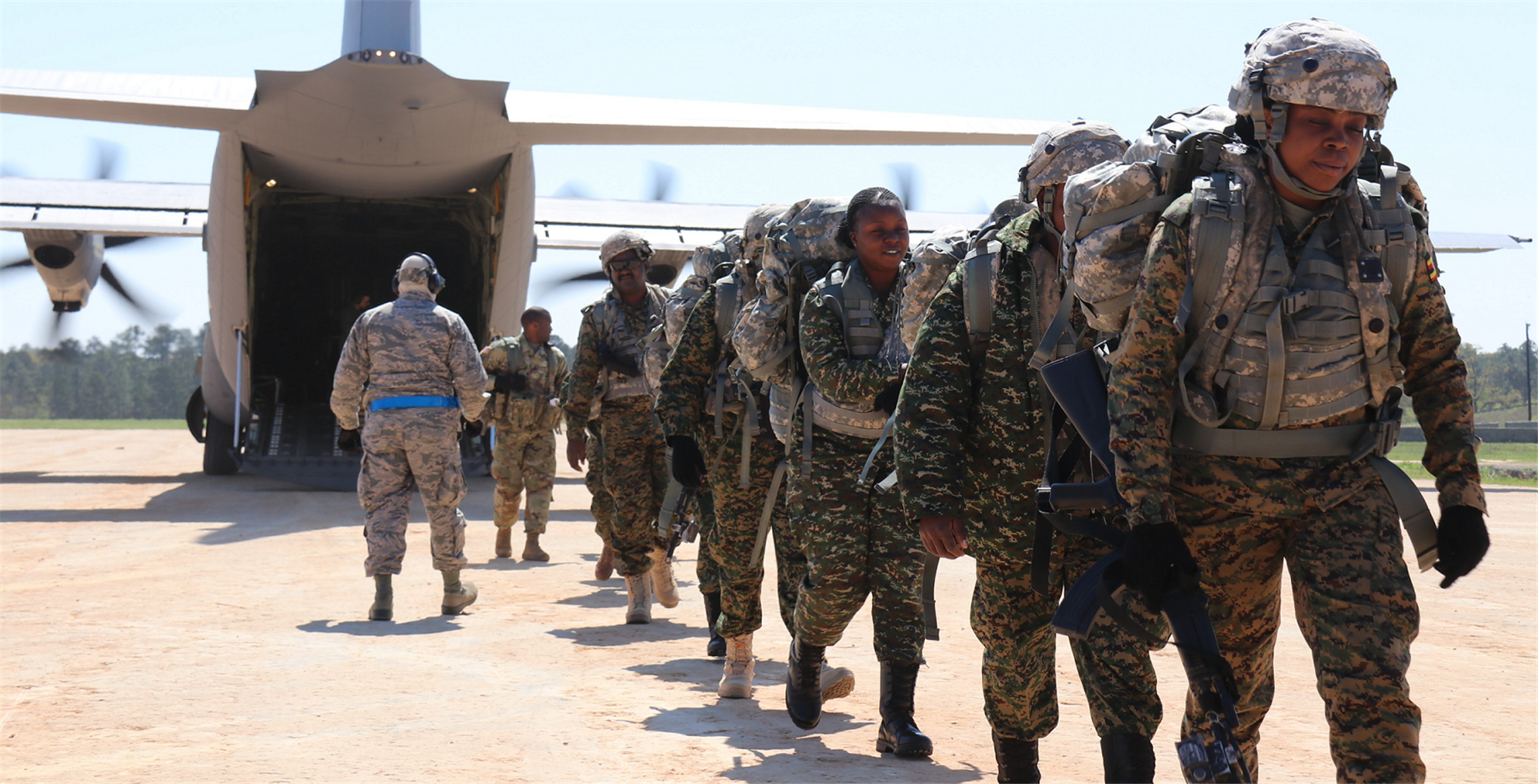
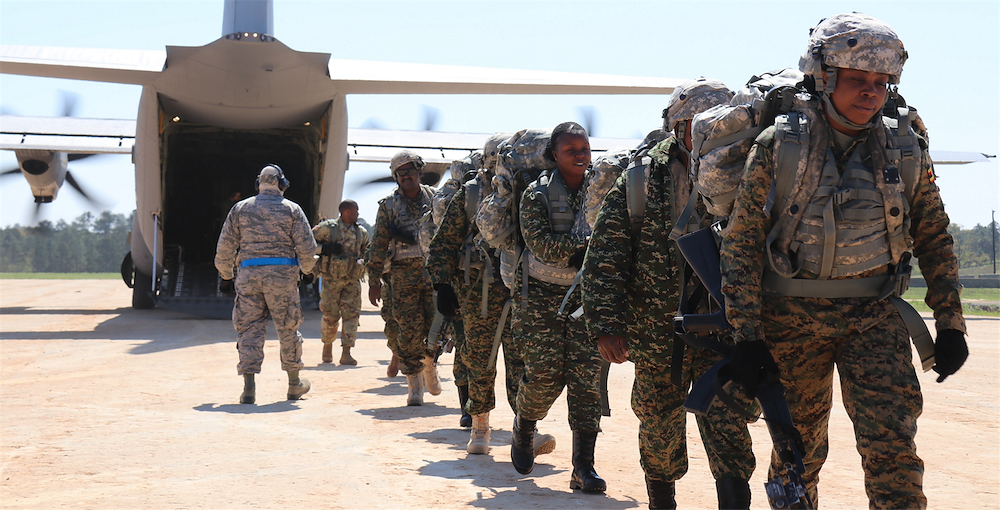
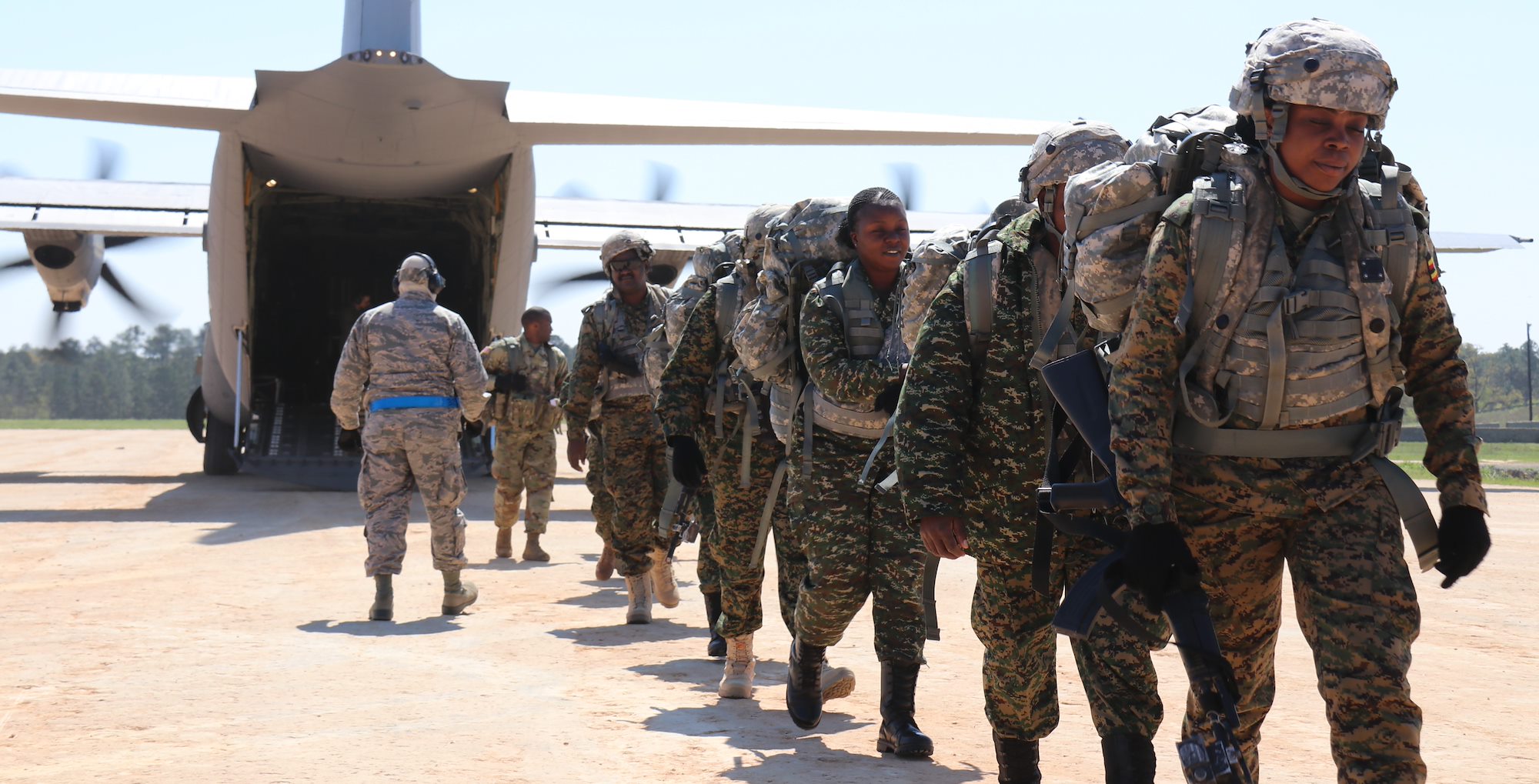
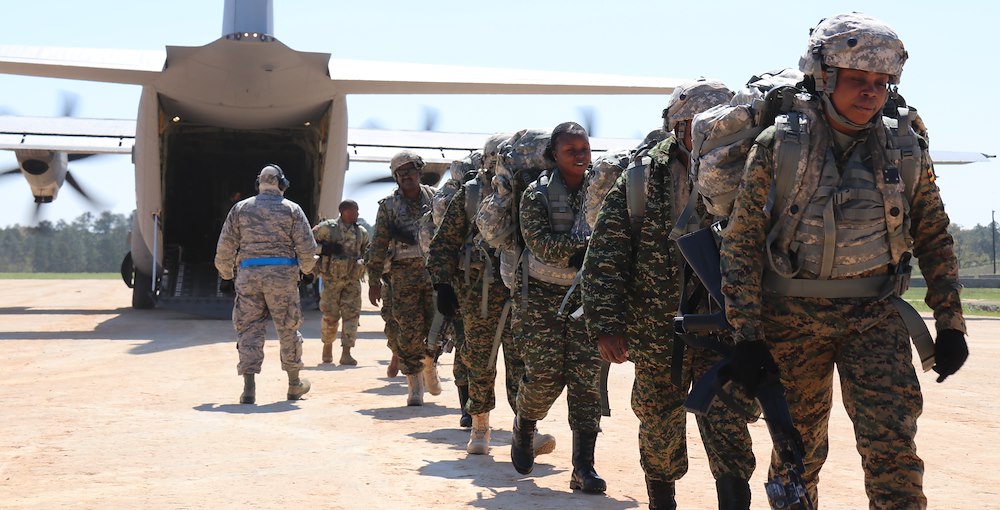
Nineteen members of the Ugandan People's Defense Force disembark from a C-130 transport aircraft on the outskirts of Dara Lam, a mock village located in the Joint Readiness Training Center's primary training area, also called "the box" March 15. See page 6 of today's Guardian for a full story on the UPDF element in rotation 17-05.
JRTC rotation strengthens U.S.-Uganda partnership
Nineteen members of the Ugandan People's Defense Force disembark from a C-130 transport aircraft on the outskirts of Dara Lam, a mock village located in the Joint Readiness Training Center's primary training area, also called "the box" March 15. See page 6 of today's Guardian for a full story on the UPDF element in rotation 17-05.
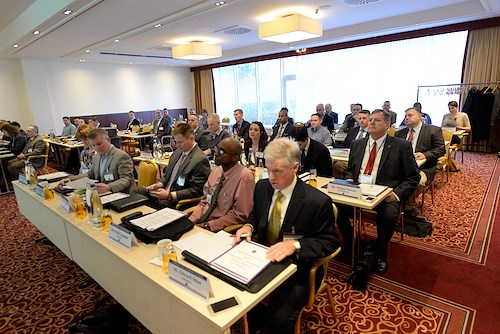
AFRICOM hosts annual Resources and Assessments Workshop
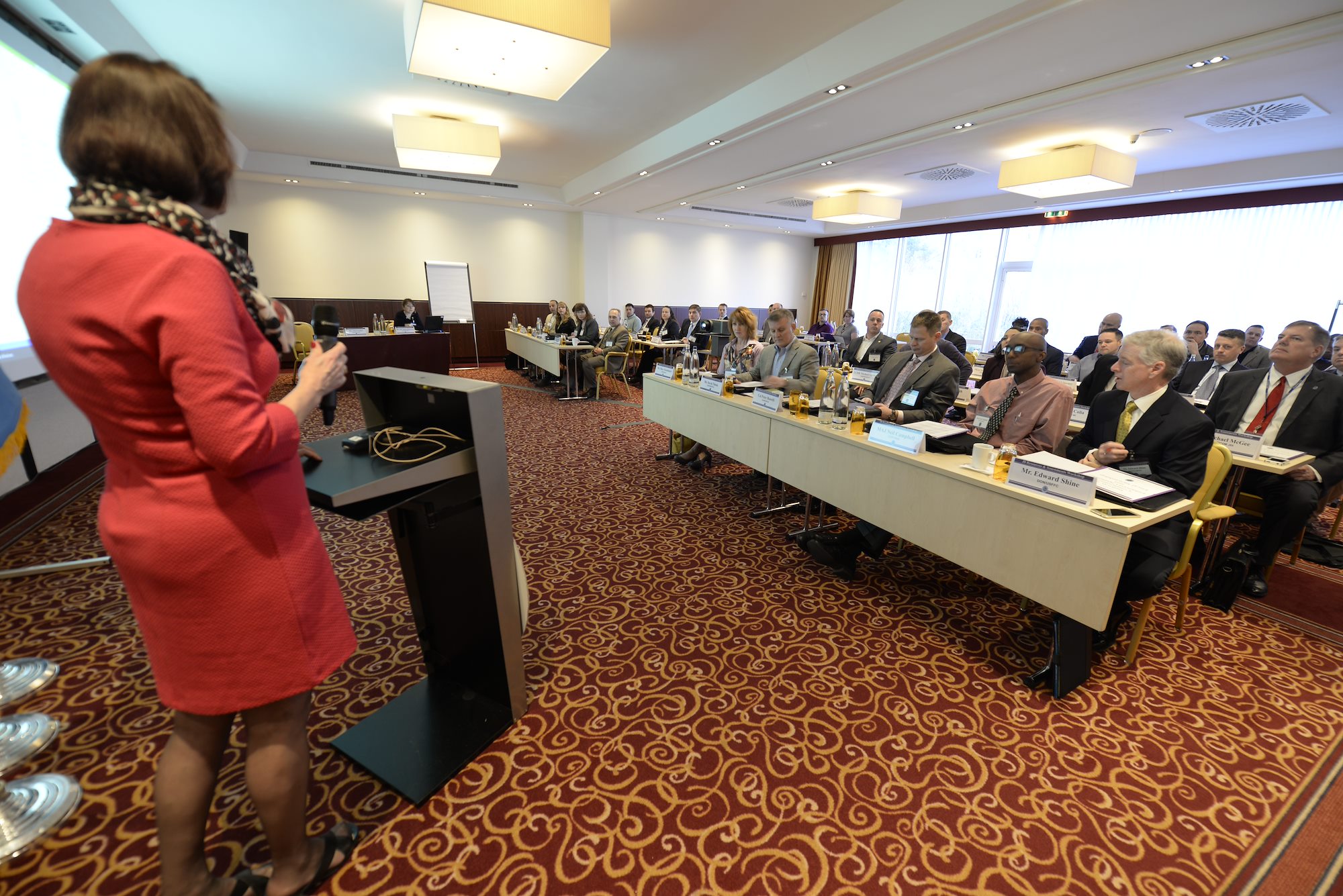
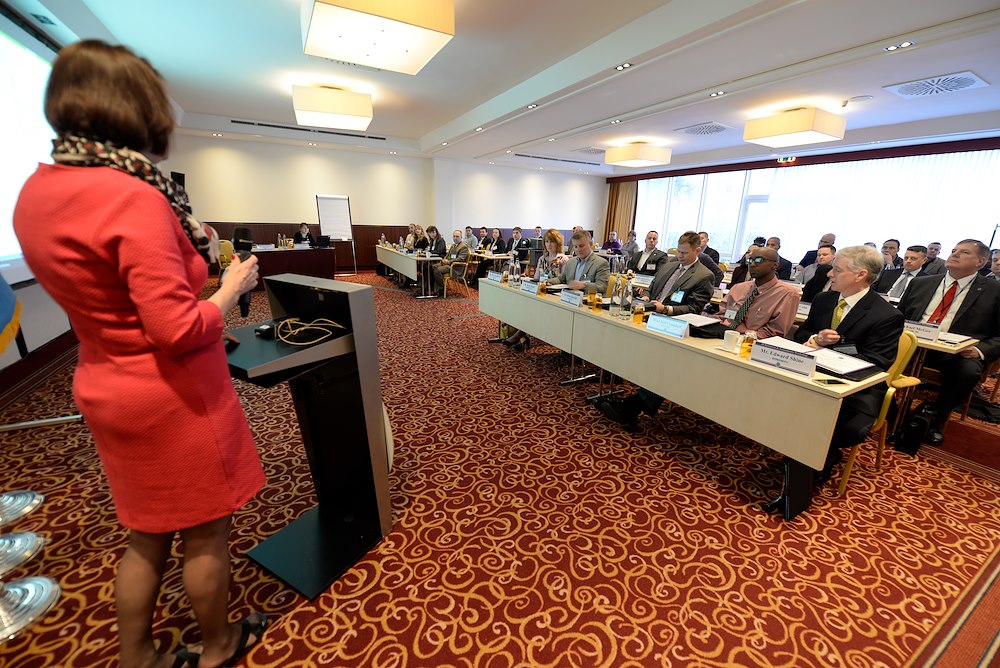
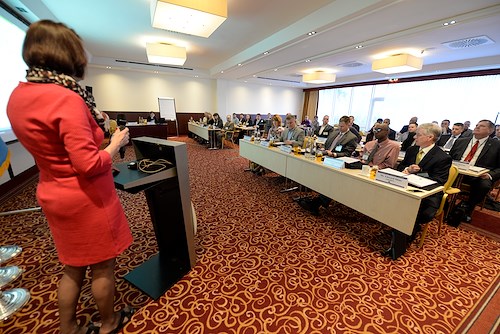
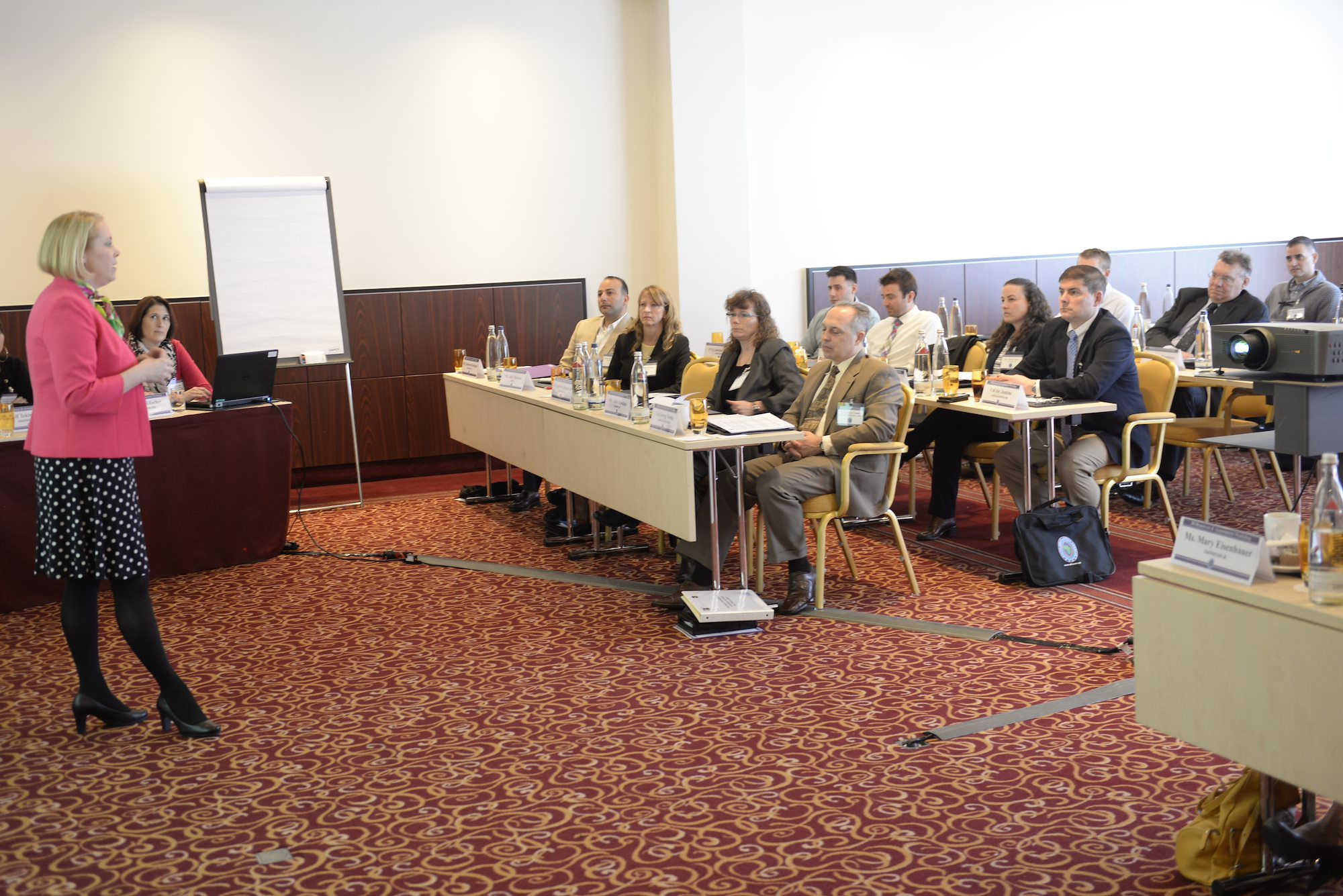
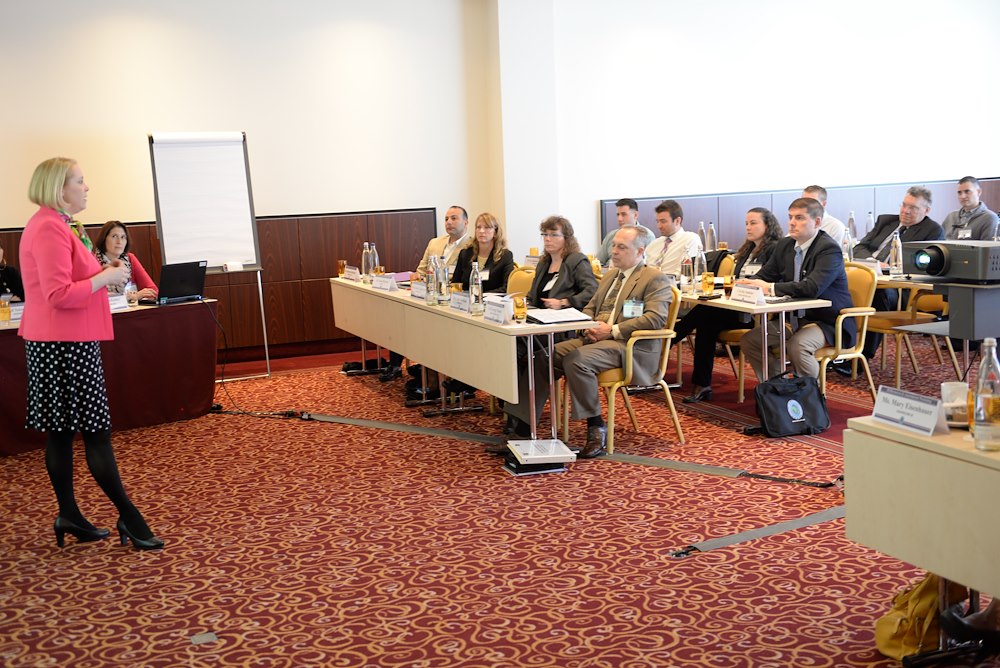
Cheryl Escher, financial management analyst, Directorate of Resources and Assessments/ J8, U.S. Africa Command, addresses participants of the AFRICOM annual Resources and Assessments Workshop in Heidelberg, Germany, March 14, 2017.
Photo by: U.S. Army Staff Sgt. Grady Jones
AFRICOM hosts annual Resources and Assessments Workshop
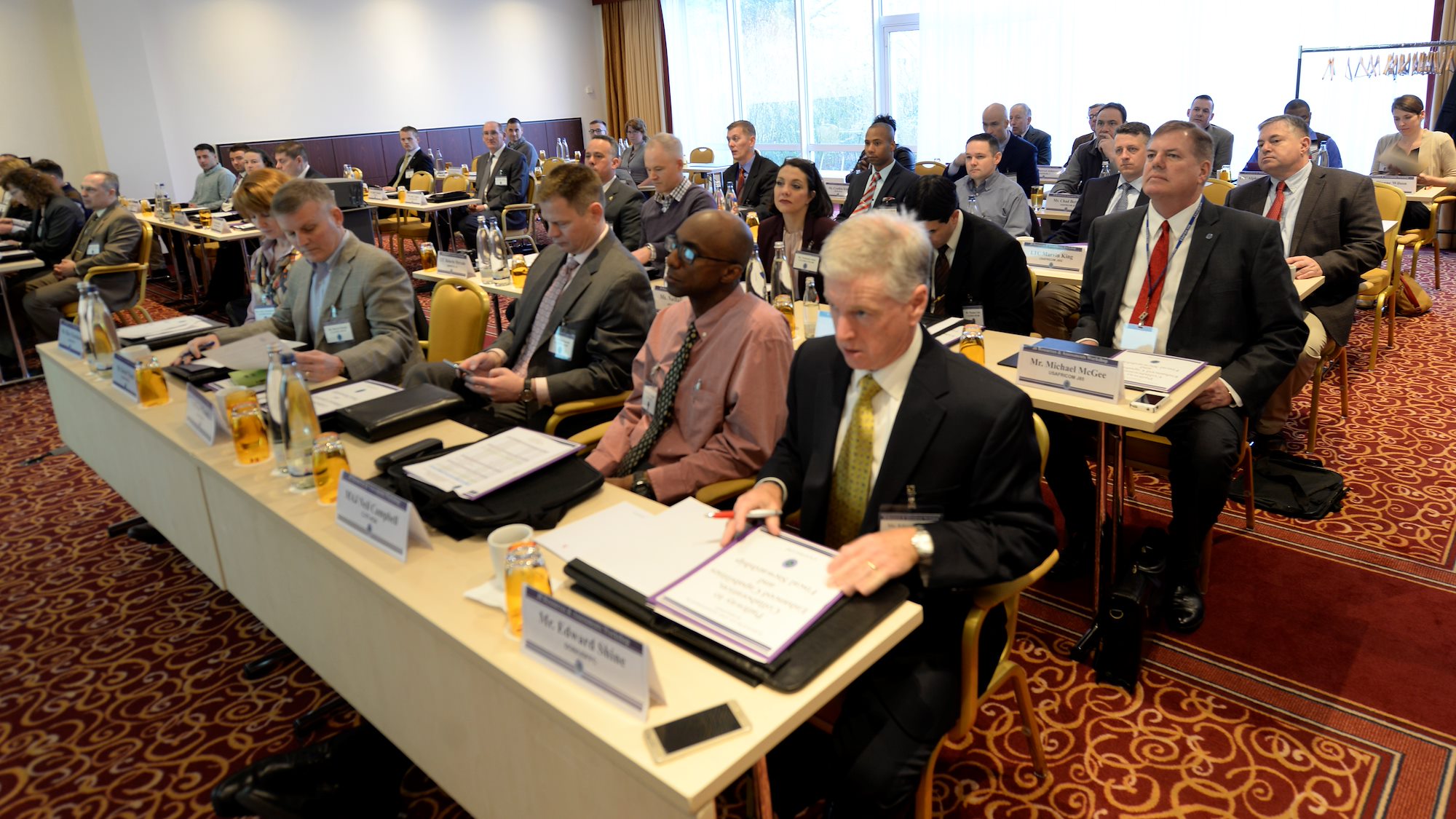
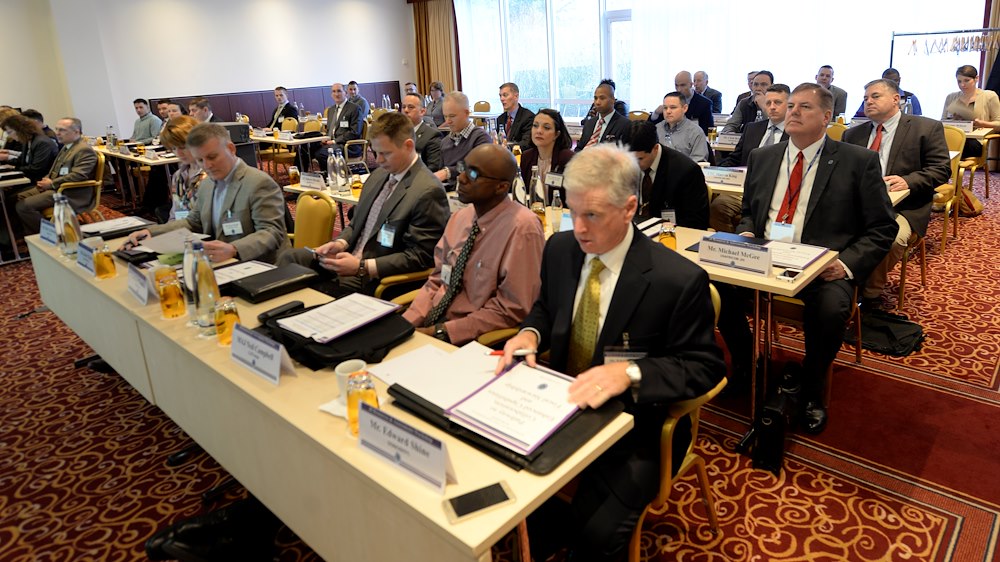
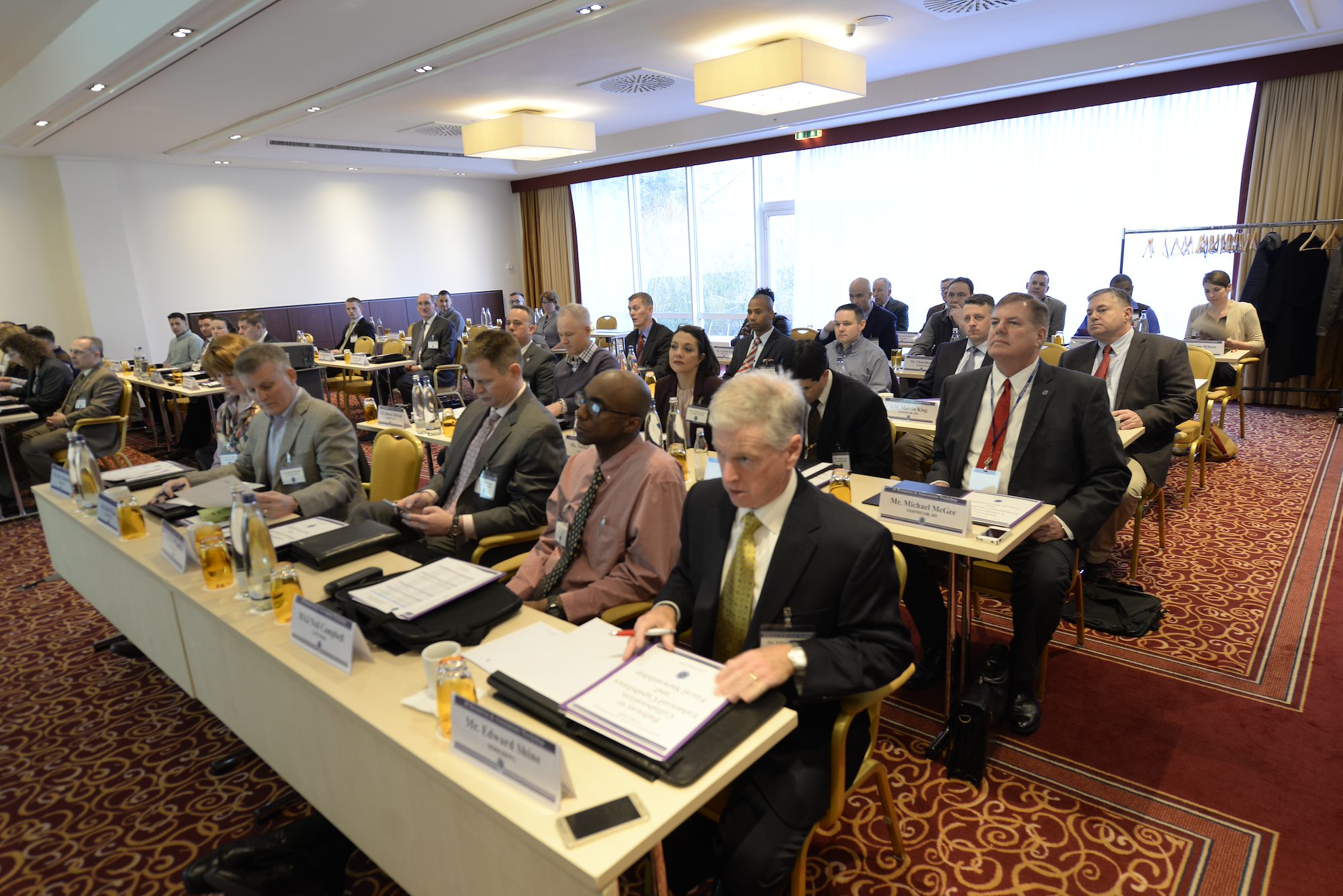
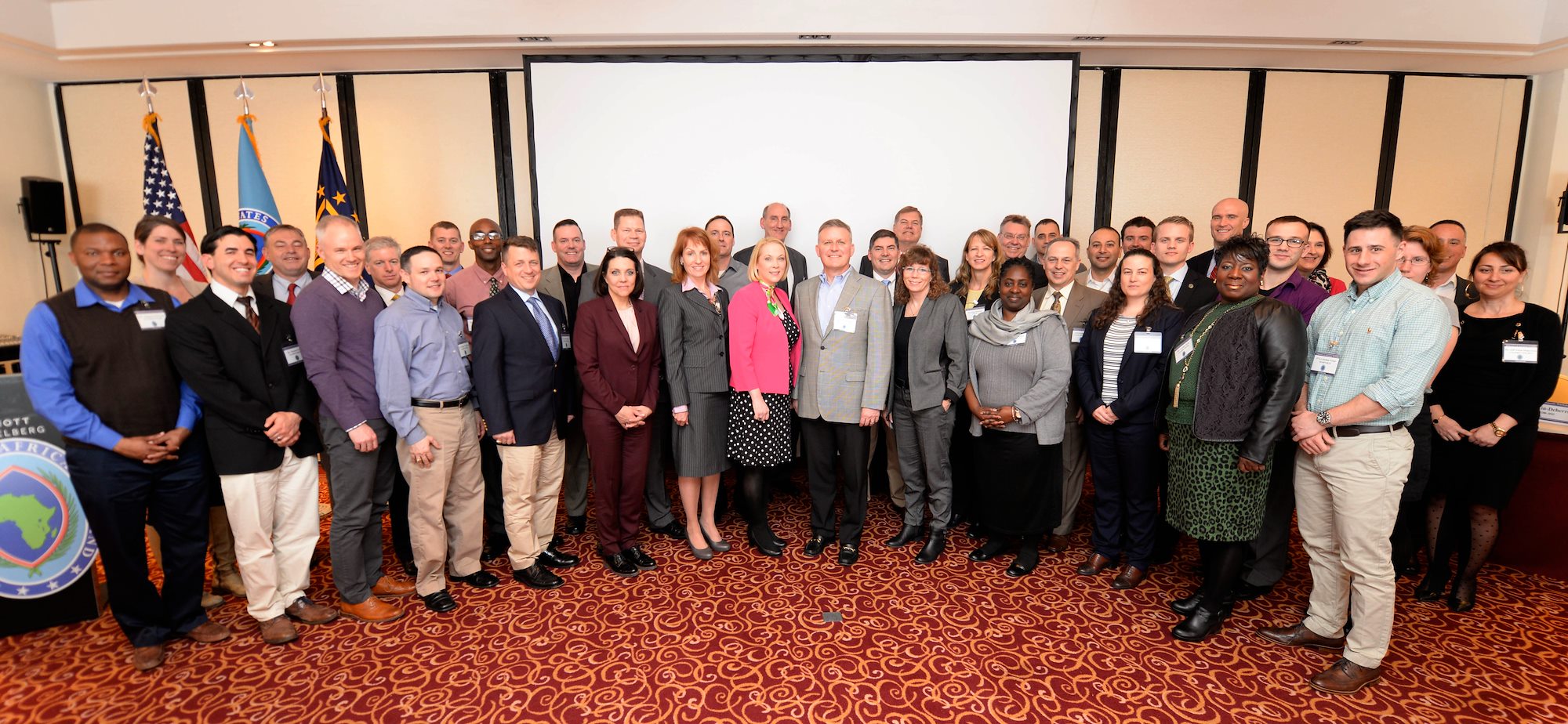
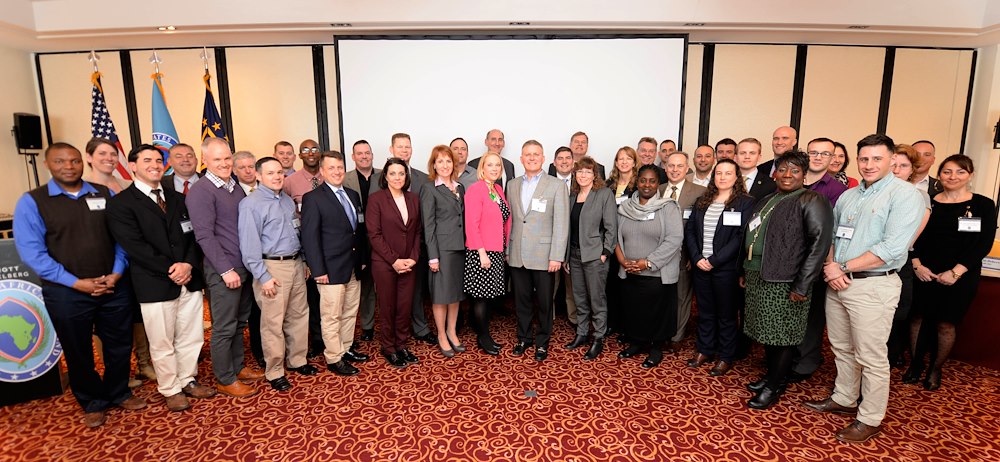
U.S. Africa Command hosts its annual Resources and Assessments Workshop, March 14, 2017, in Heidelberg, Germany. Representatives from each of the AFRICOM directorates and personnel from subordinate commands attended the event to discuss fiscal and budgeting issues across AFRICOM area of operations.
Photo by: U.S. Army Staff Sgt. Grady Jones
AFRICOM hosts annual Resources and Assessments Workshop
Laura Jankovich, deputy auditor general, U.S. Air force, addresses attendees of the annual U.S. Africa Command Resources and Assessments Workshop, March 14, 2017, in Heidelberg, Germany. Representatives from each of the AFRICOM directorates and personnel from subordinate commands attended the event to discuss fiscal and budgeting issues across AFRICOM area of operations.
Photo by: U.S. Army Staff Sgt. Grady Jones
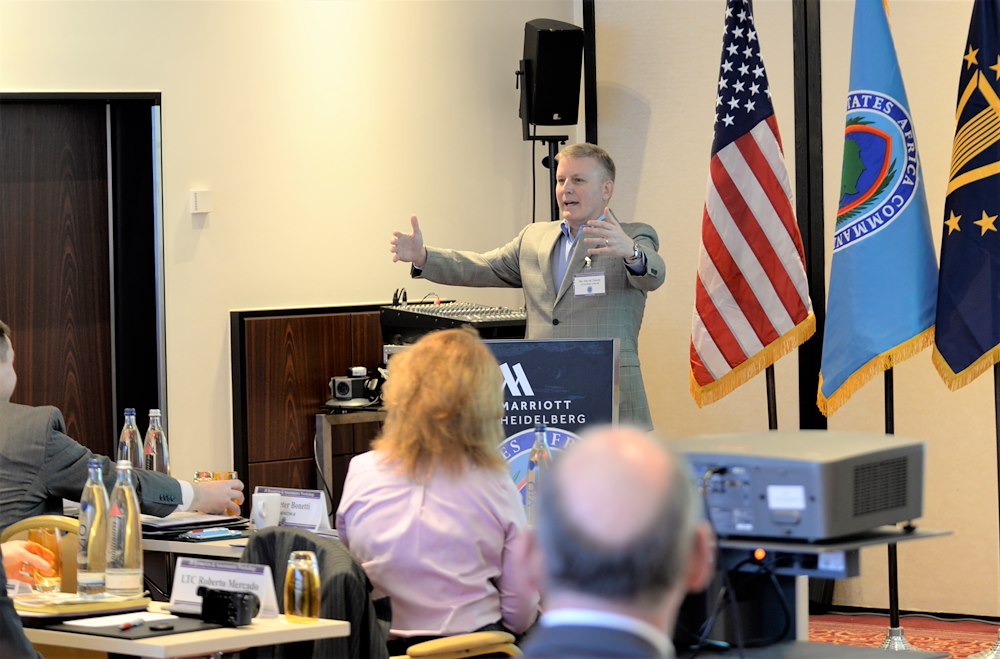
AFRICOM hosts annual Resources and Assessments Workshop
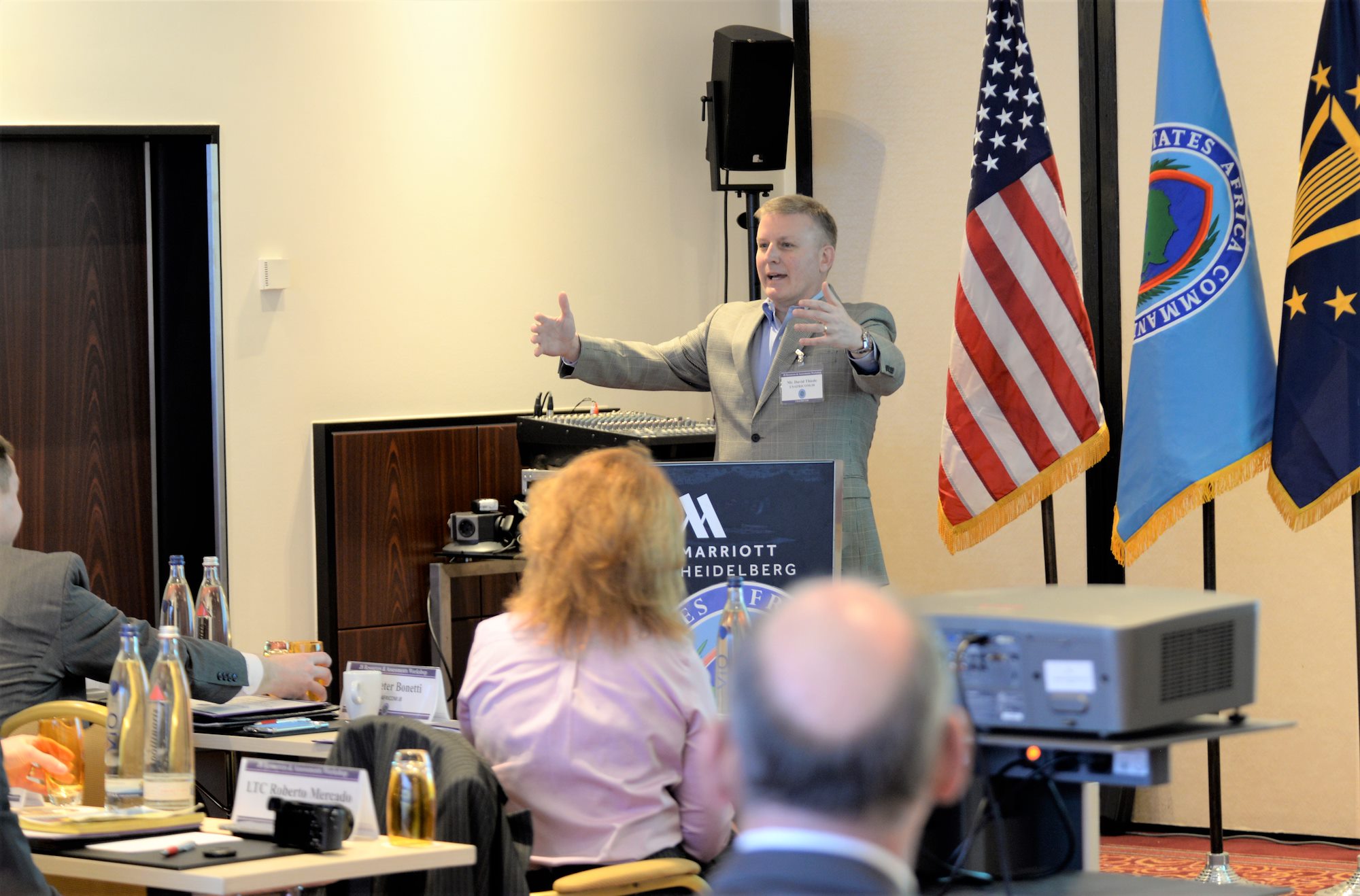
David Thiede, director of Resources and Assesments / J8, U.S. Africa Command, addresses attendees of AFRICOM's annual Resources and Assessments Workshop, in Heidelberg, Germany, March 14, 2017. Representatives from each of the AFRICOM directorates and personnel from subordinate commands attended the event to discuss fiscal and budgeting issues across AFRICOM area of operations.
Photo by: U.S. Army Staff Sgt. Grady Jones
AFRICOM hosts annual Resources and Assessments Workshop
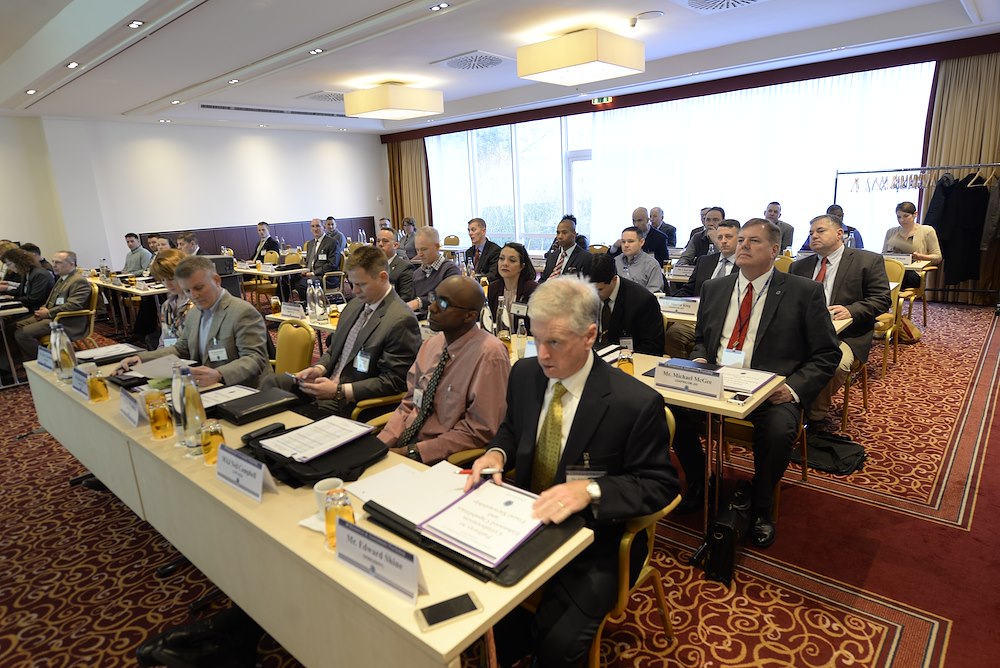
U.S. Africa Command hosts its annual Resources and Assessments Workshop, March 14, 2017, in Heidelberg, Germany. Representatives from each of the AFRICOM directorates and personnel from subordinate commands attended the event to discuss fiscal and budgeting issues across AFRICOM area of operations.
Photo by: U.S. Army Staff Sgt. Grady Jones
AFRICOM hosts annual Resources and Assessments Workshop
U.S. Africa Command hosted its annual Resources and Assessments Workshop, March 14, 2017, in Heidelberg, Germany. Representatives from each of the AFRICOM directorates and personnel from subordinate commands attended the event to discuss fiscal and budgeting issues across AFRICOM area of operations.
Photo by: U.S. Army Staff Sgt. Grady Jones
AFRICOM science advisors focus on solving warfighter challenges
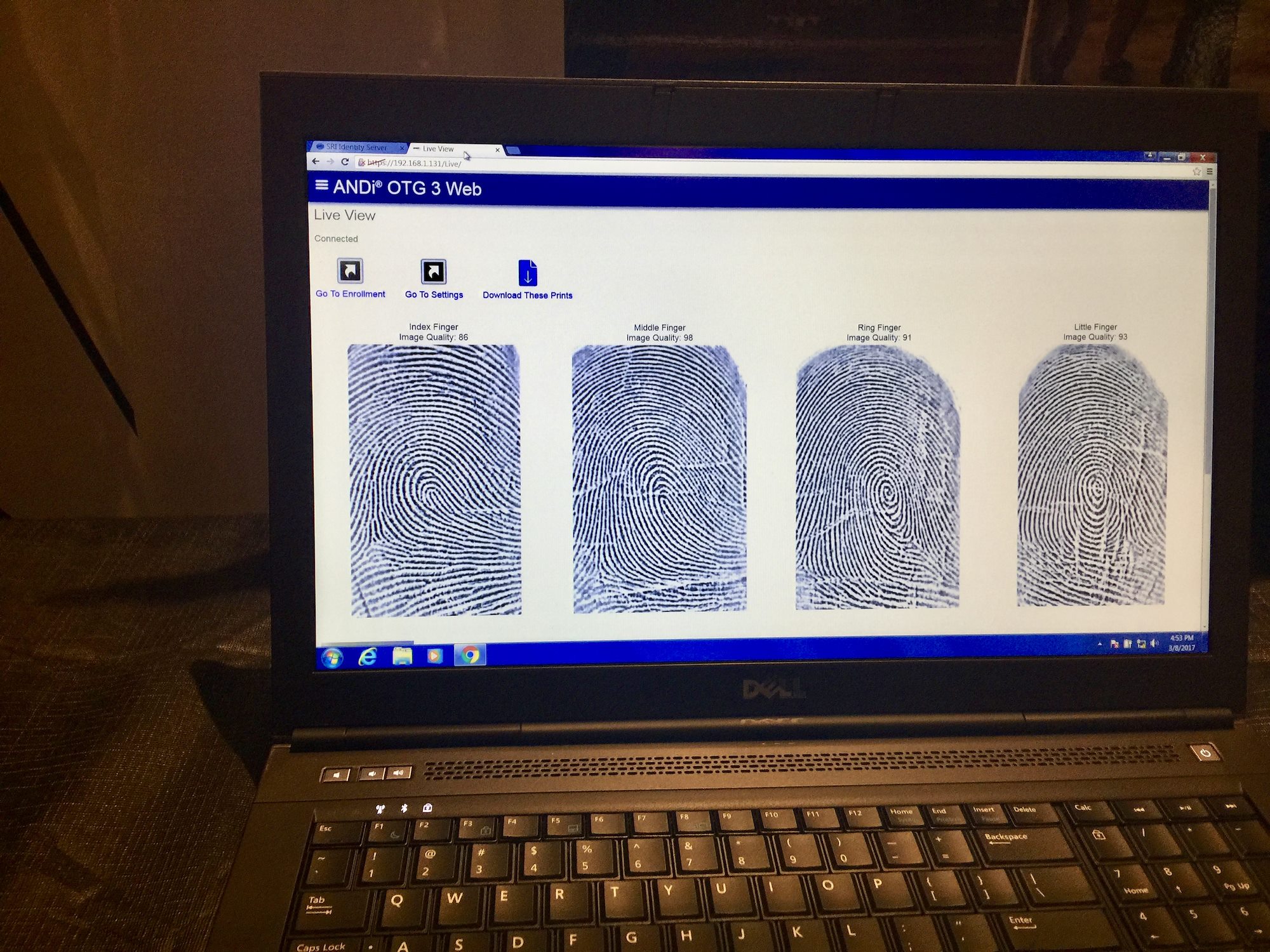
A touchless fingerprint scanner system for capturing finger prints for biometrics with the simple pass of a hand over a sensor was an emerging technology on display at the U.S. Pacific Command Operational Science and Technology Conference March 6 to 10 in Honolulu. The U.S. Africa Command science advisory team attended the conference to exchange information on ways to respond to capability gaps as well as enhance partner nation capability. (U.S. Africa Command photo courtesy of Ricardo Arias)
UN Military Unit Manuals Regional Seminar held in Ghana
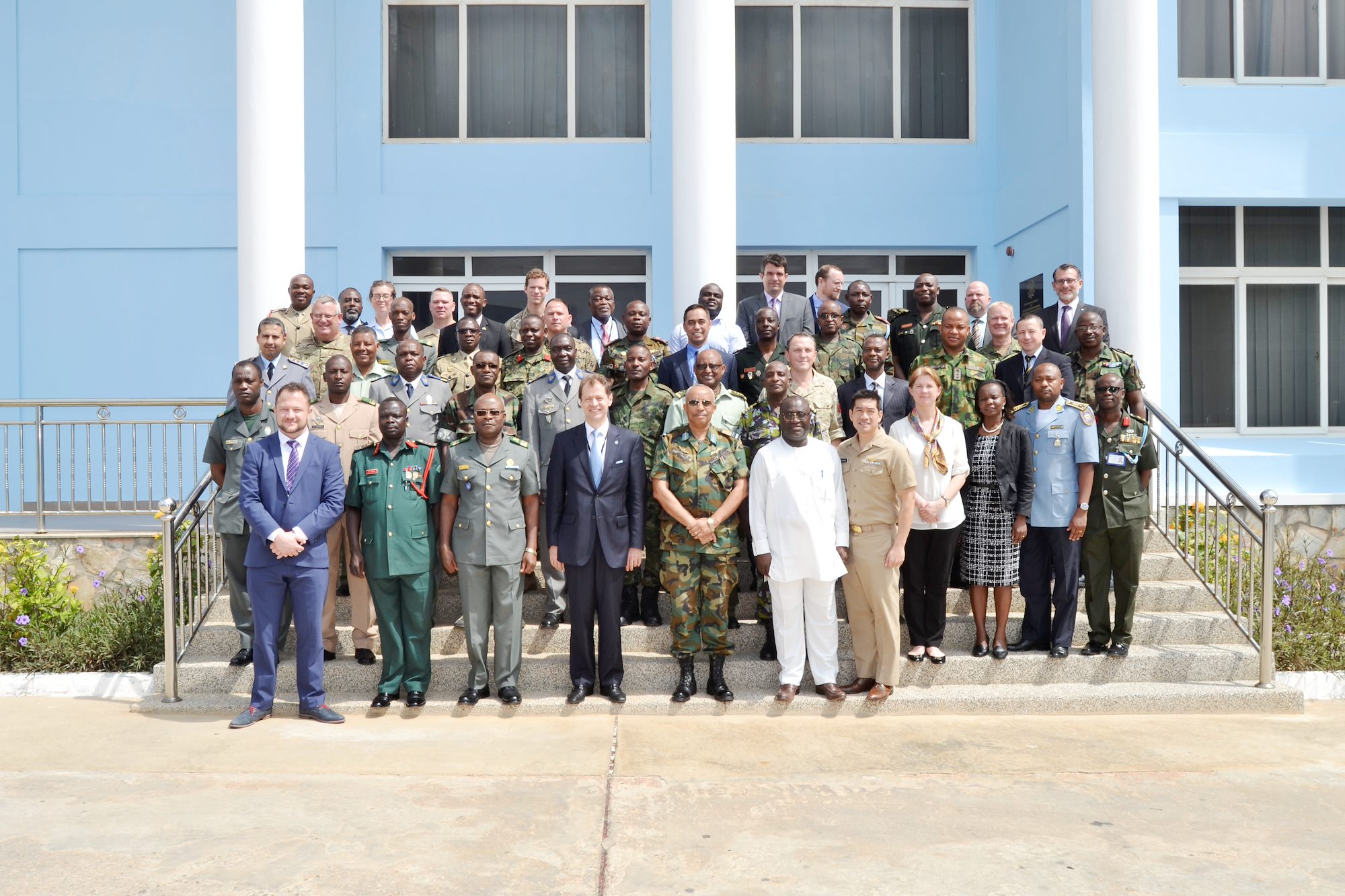
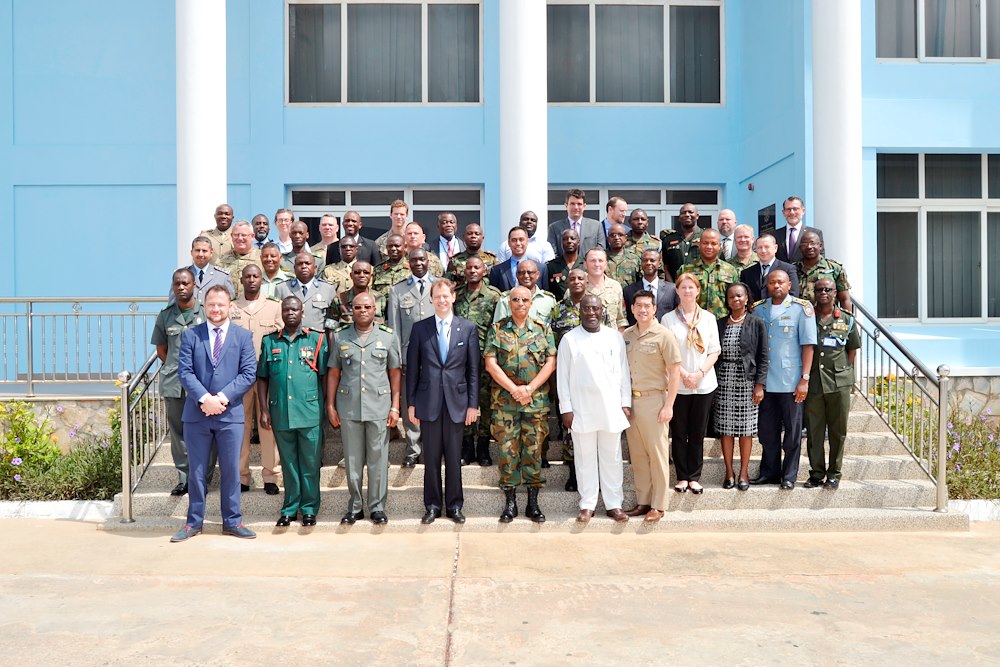
The Kofi Annan International Peacekeeping Training Center in Accra, Ghana hosted the first UN Military Unit Manuals Regional Seminar, with support from the US Africa Command March 8-10, 2017. The seminar shared the methodology for the eleven UN peacekeeping field manuals with all major African troop contributing countries for their awareness and implementation at their respective peacekeeping training centers. Partnering with the UN Dept. of Peacekeeping Operations and African academic centers of excellence such as the KAIPTC greatly enables AFRICOM to advance AFRICOM Theater Campaign Plan efforts to “Build African peacekeeping capacity”.
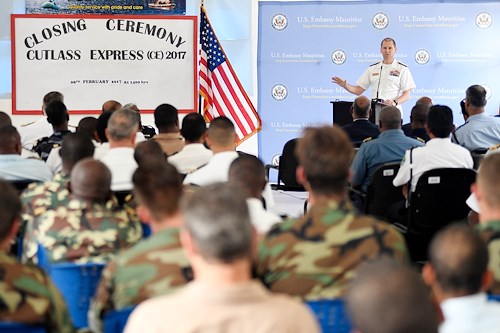
Exercise Cutlass Express 2017 Comes to an End
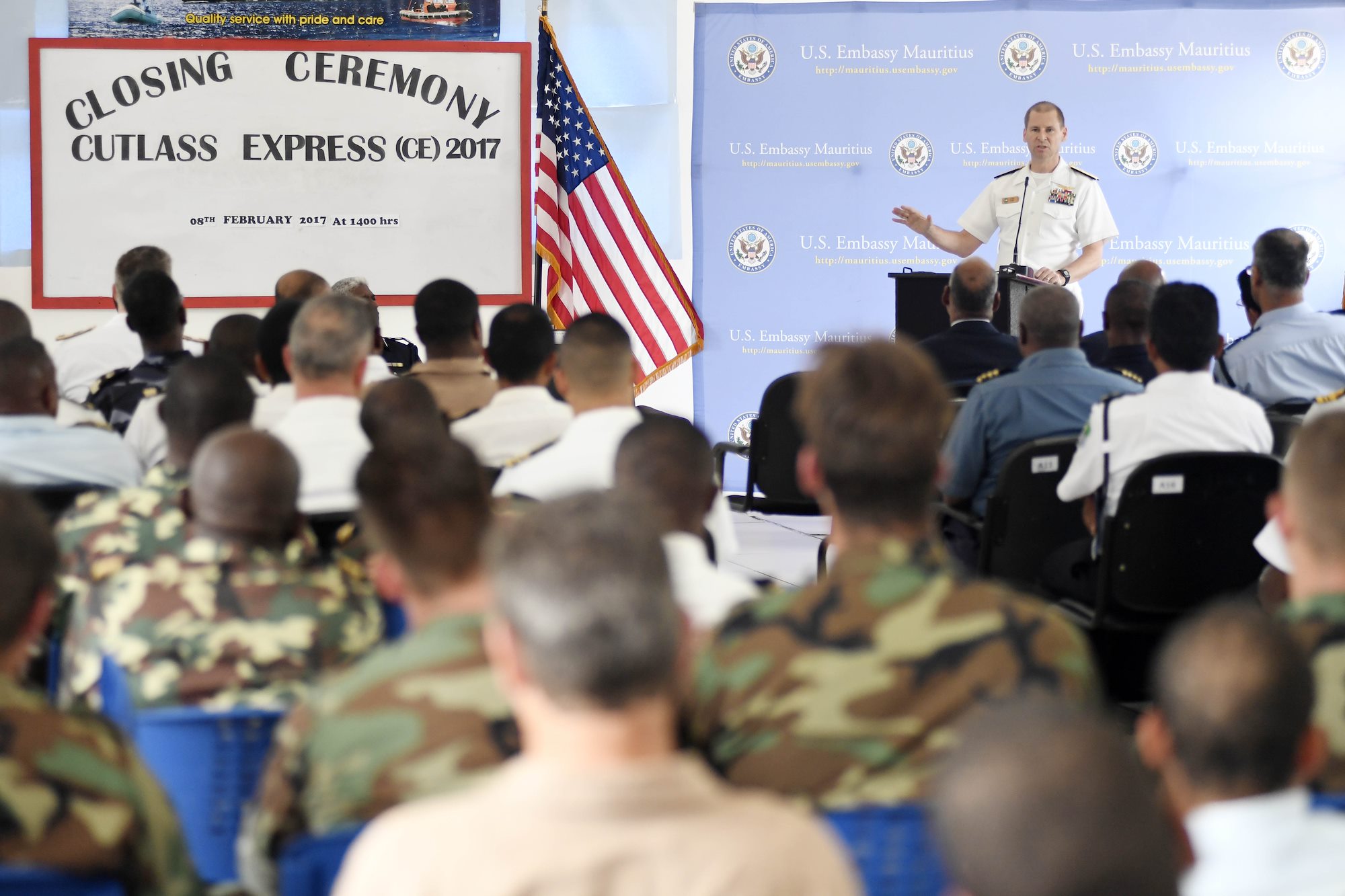
LE CHALAND, Mauritius (Feb. 8, 2017) Rear Adm. Shawn Duane, Vice Commander, U.S. 6th Fleet and Director, Maritime Partner Programs, U.S. Naval Forces Europe-Africa, delivers remarks at the Exercise Cutlass Express closing ceremony Feb. 8, 2017. Exercise Cutlass Express 2017, sponsored by U.S. Africa Command and conducted by U.S. Naval Forces Africa, is designed to assess and improve combined maritime law enforcement capacity and promote national and regional security in East Africa. (U.S. Navy photo by Mass Communication Specialist 1st Class Justin Stumberg/Released)
Photo by: U.S. Naval Forces Europe-Africa/U.S. 6th Fleet Public Affairs
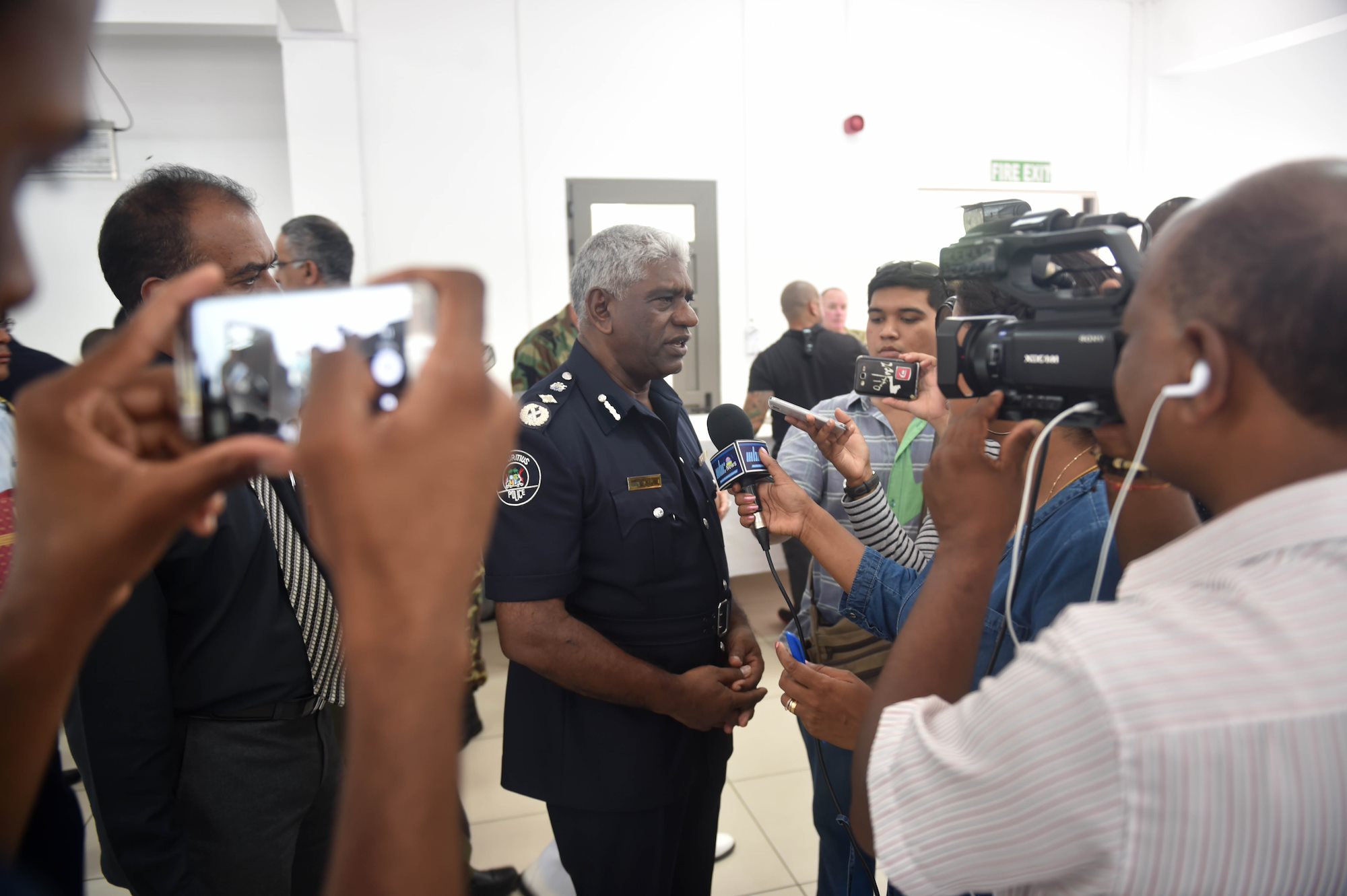
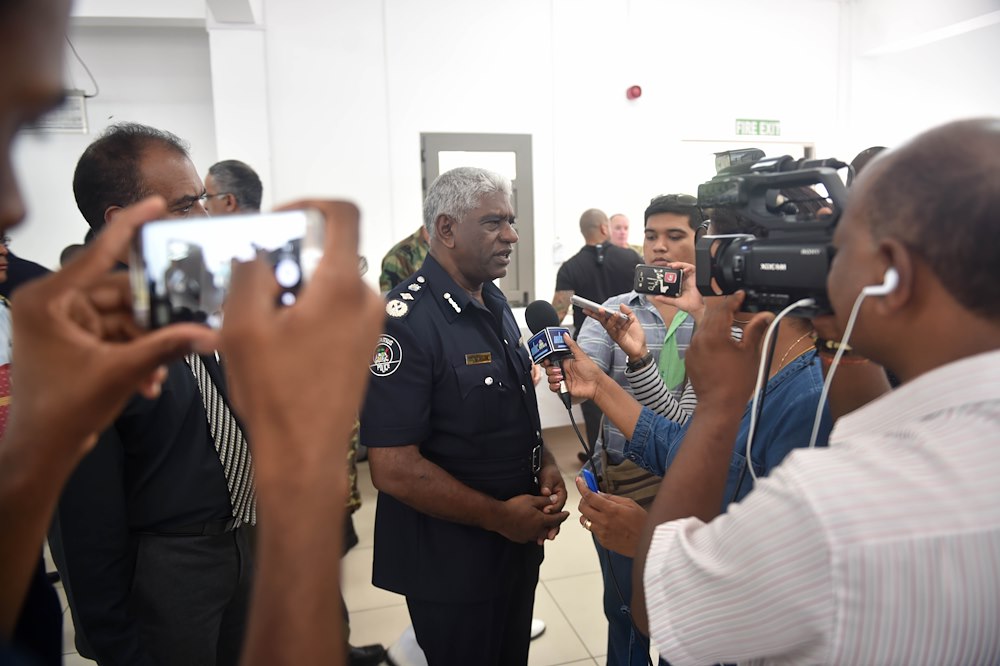
Exercise Cutlass Express 2017 Comes to an End
LE CHALAND, Mauritius (Feb. 8, 2017) Karl Mario Nobin, Mauritius Police Force Commissioner, speaks to local media at the Exercise Cutlass Express closing ceremony Feb. 8, 2017. Exercise Cutlass Express 2017, sponsored by U.S. Africa Command and conducted by U.S. Naval Forces Africa, is designed to assess and improve combined maritime law enforcement capacity and promote national and regional security in East Africa. (U.S. Navy photo by Mass Communication Specialist 1st Class Justin Stumberg/Released)
Photo by: U.S. Naval Forces Europe-Africa/U.S. 6th Fleet Public Affairs
Exercise Cutlass Express 2017 Comes to an End
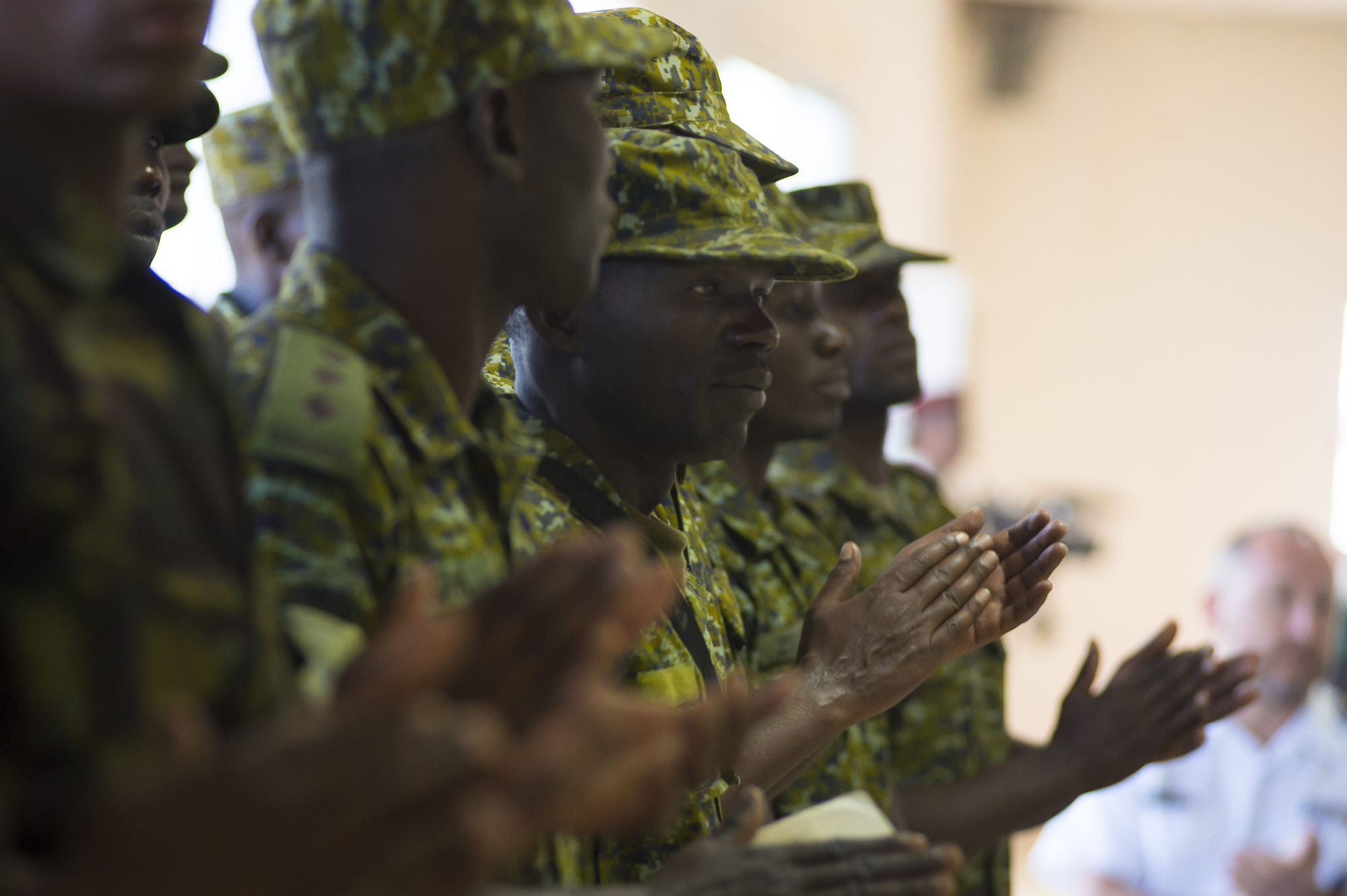
DJIBOUTI, Djibouti (Feb. 8, 2017) - Uganda Marines attend the exercise Cutlass Express 2017 closing ceremony at the Djibouti Coast Guard base Feb. 8, 2017. Exercise Cutlass Express 2017, sponsored by U.S. Africa Command and conducted by U.S. Naval Forces Africa, is designed to assess and improve combined maritime law enforcement capacity and promote national and regional security in East Africa. (U.S. Navy photo by Mass Communication Specialist 3rd Class Robert Price/Released)
Photo by: U.S. Naval Forces Europe-Africa/U.S. 6th Fleet Public Affairs
Flintlock 2017
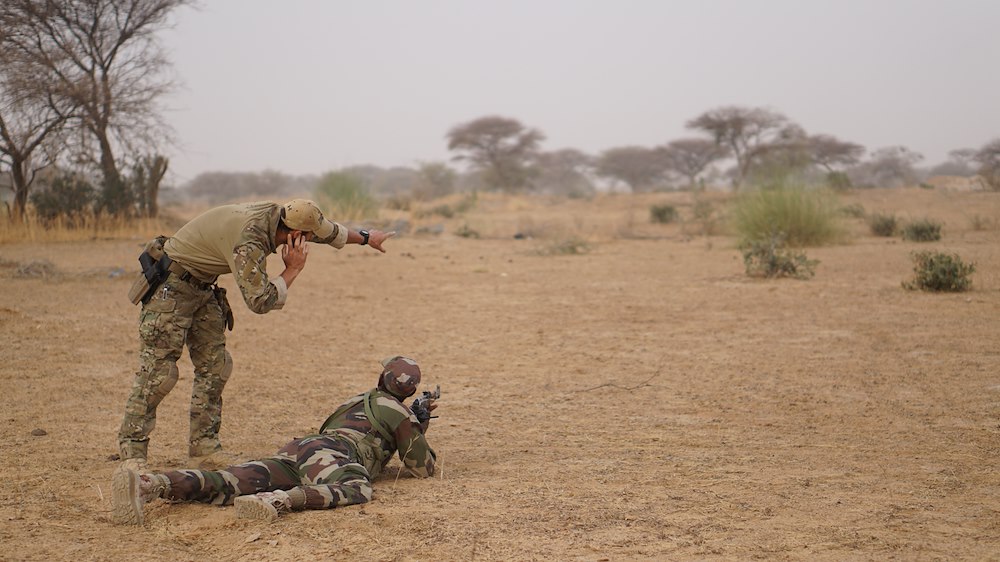
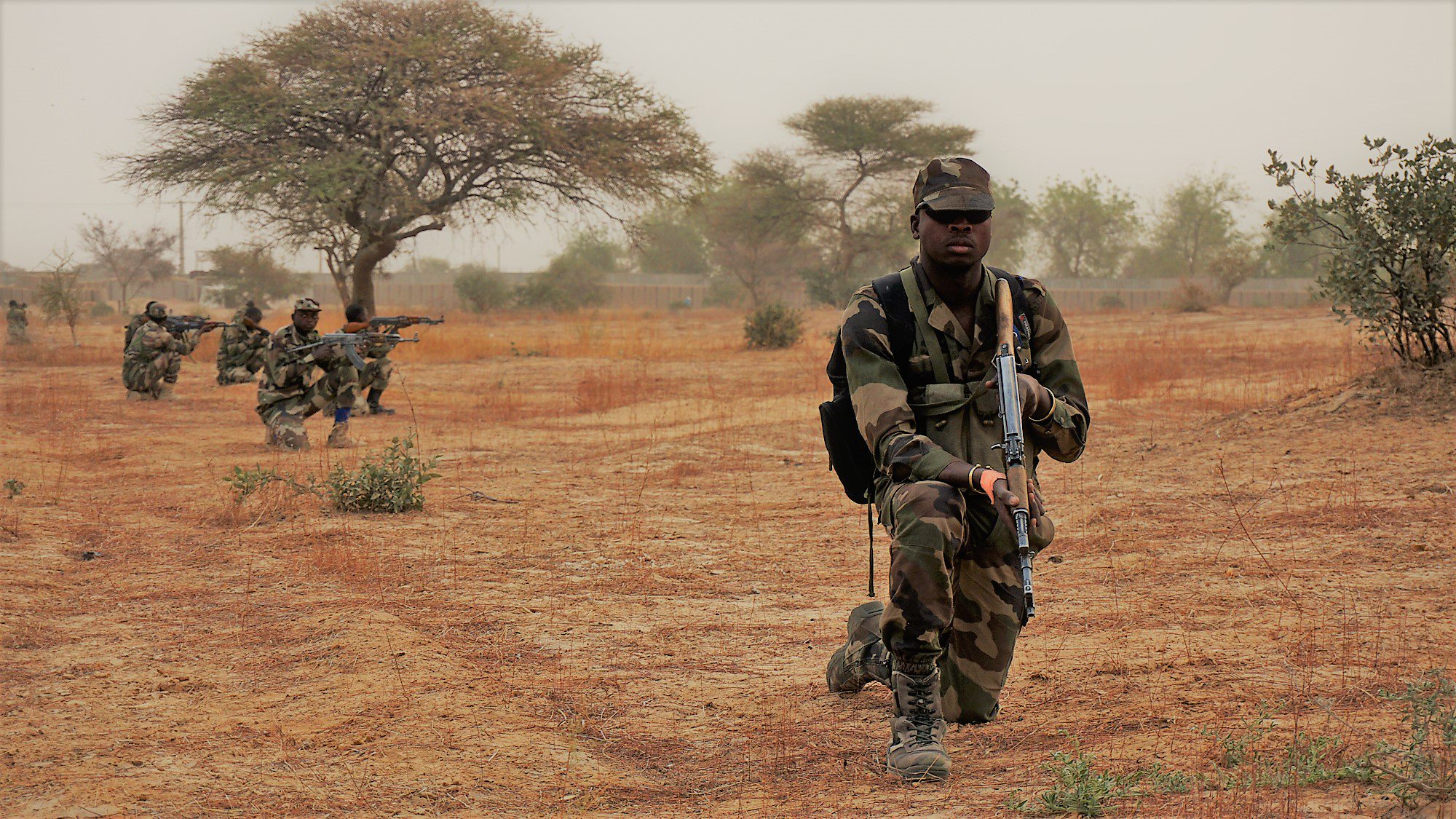
A Belgian Special Operations Forces service member shows a Nigerien soldier his sector of fire while reacting to contact on a dismounted patrol during Exercise Flintlock 2017 in Diffa, Niger, March 11, 2017. Flintlock bolsters partnerships between African, European and North American Special Operations Forces which increases their ability to work together in response to crises. (U.S. Army photo by Spc. Zayid Ballesteros/Released)
Photo by: Spc. Zayid Ballesteros
Flintlock 2017
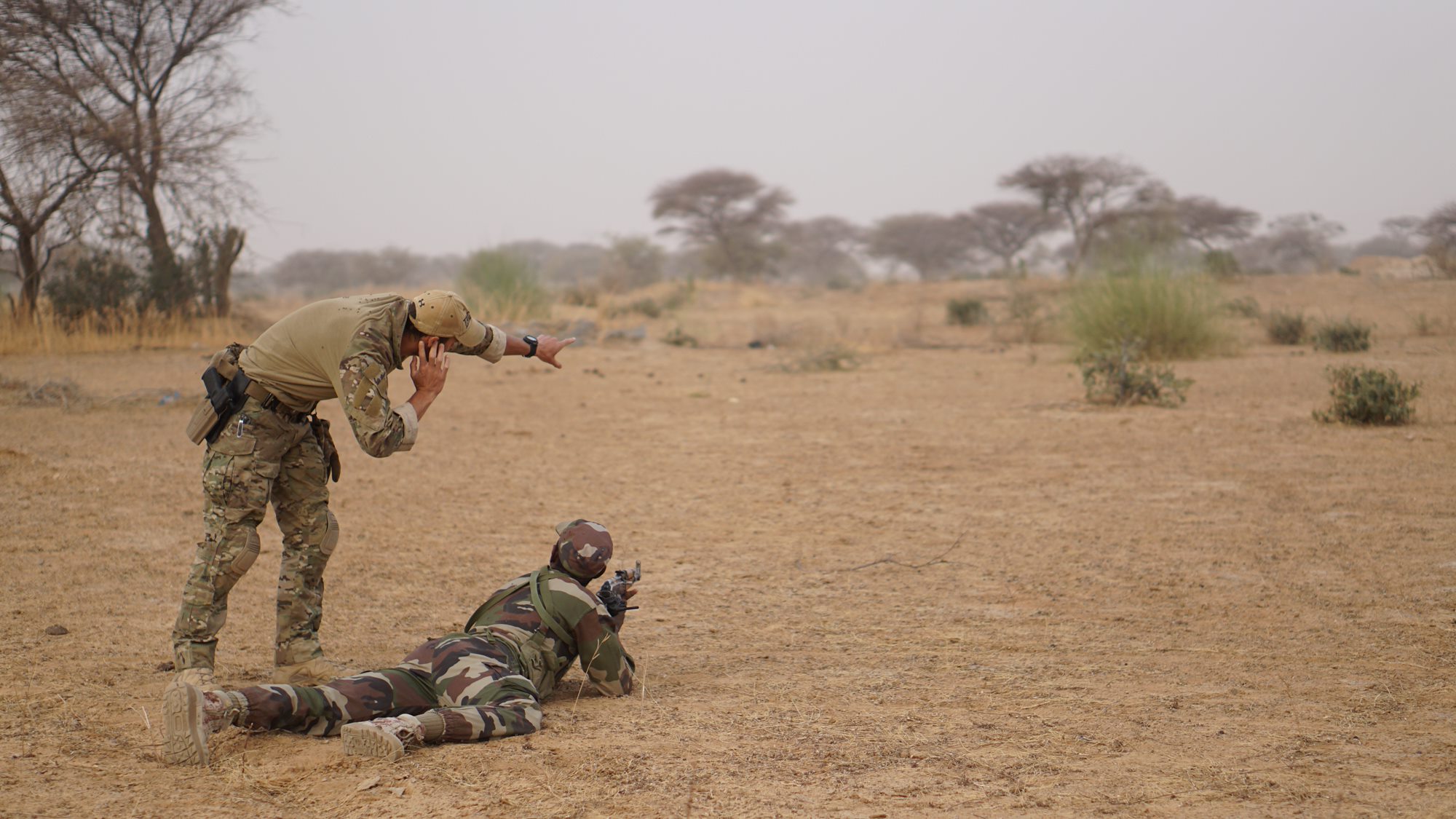
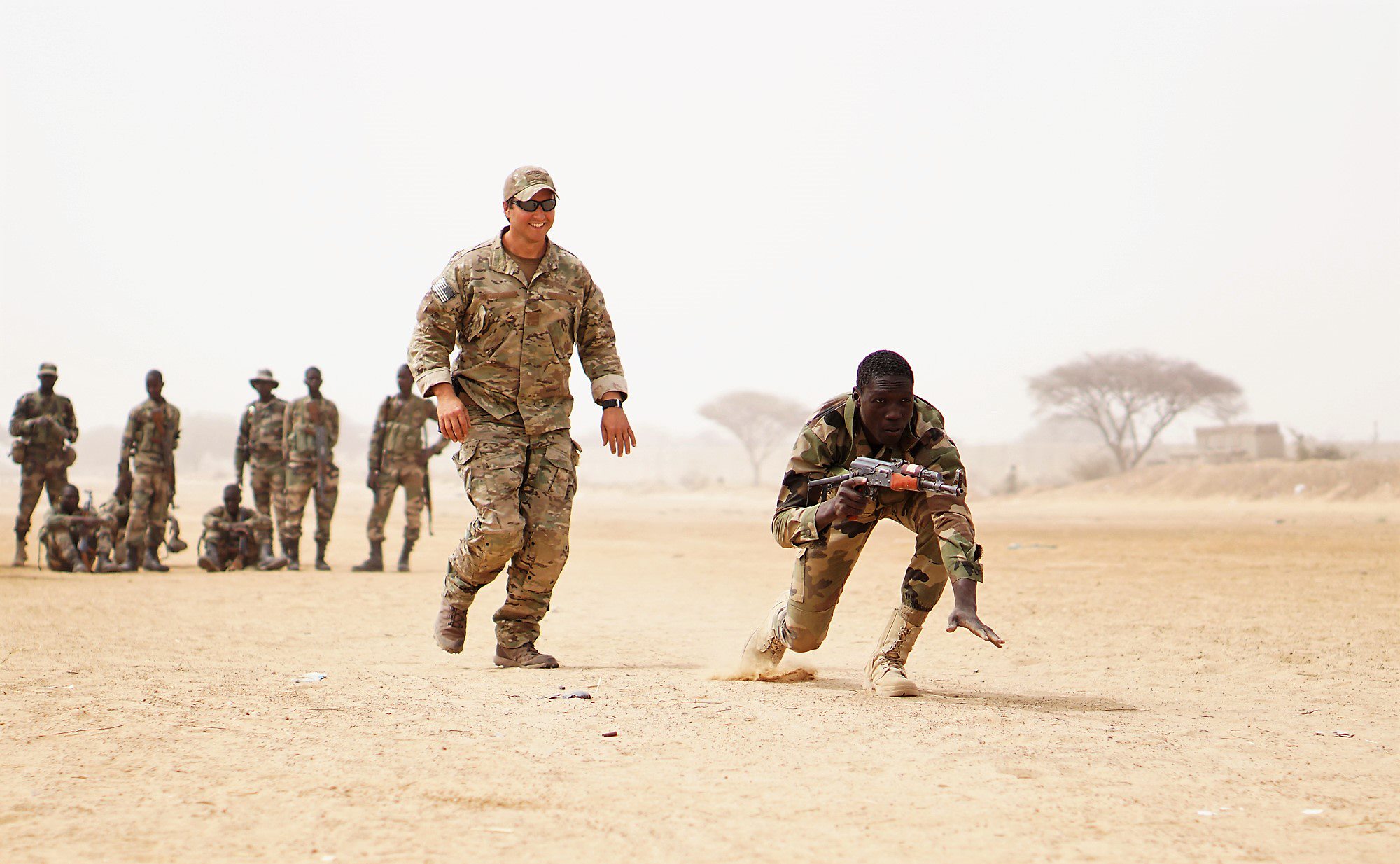
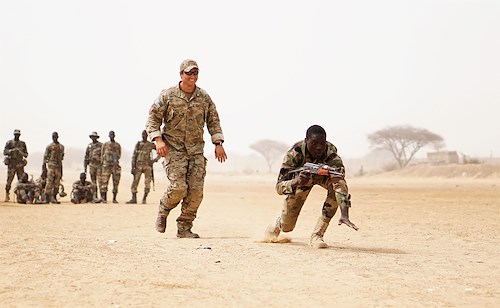
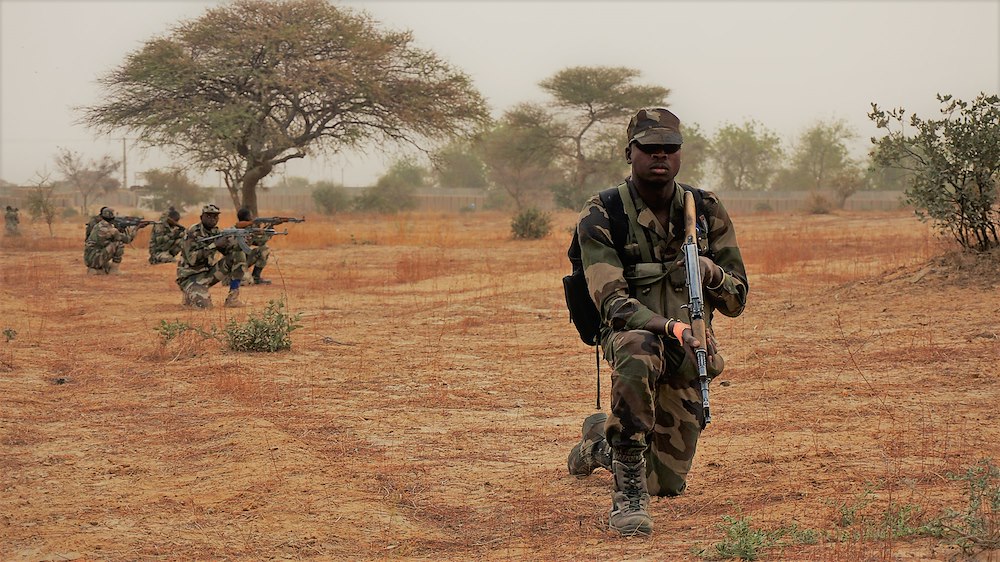
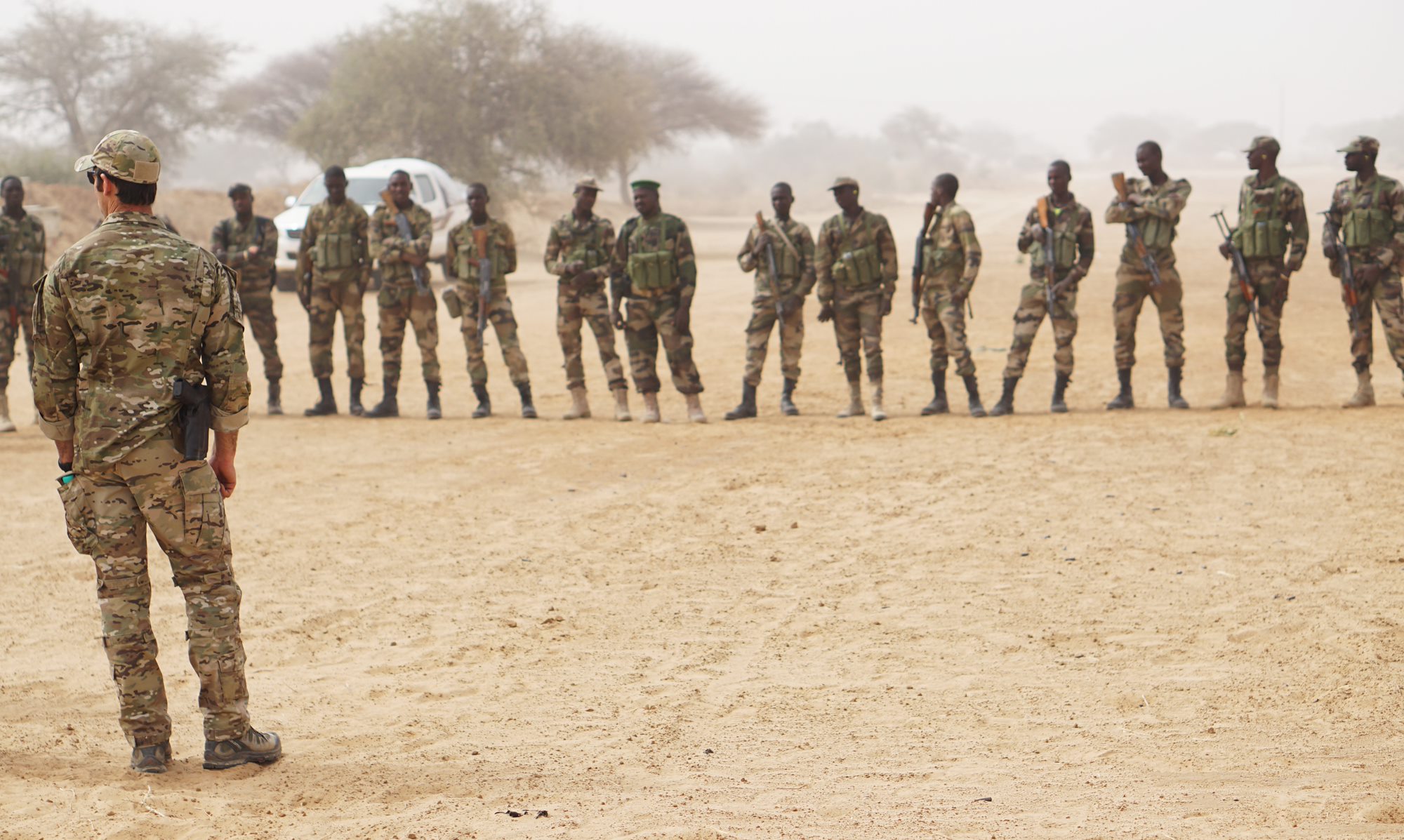
A U.S. Army Special Forces weapons sergeant observes as a Nigerien soldier bounds forward while practicing buddy team movement drills during Exercise Flintlock 2017 in Diffa, Niger, March 11, 2017. Flintlock is a Special Operations Forces exercise geared toward building interoperability between African and western partner nations. (U.S. Army photo by Spc. Zayid Ballesteros/Released)
Photo by: Spc. Zayid Ballesteros
Flintlock 2017
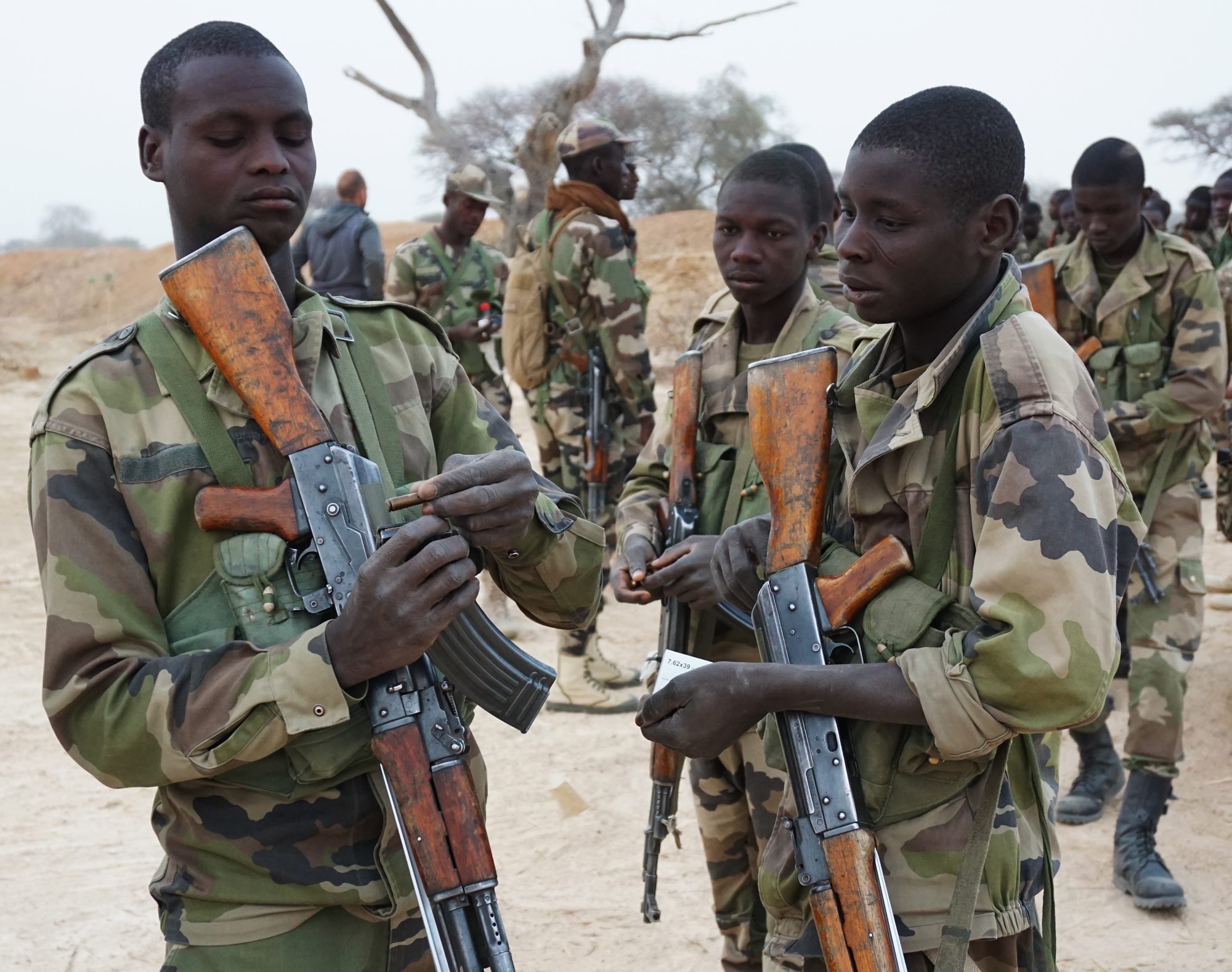
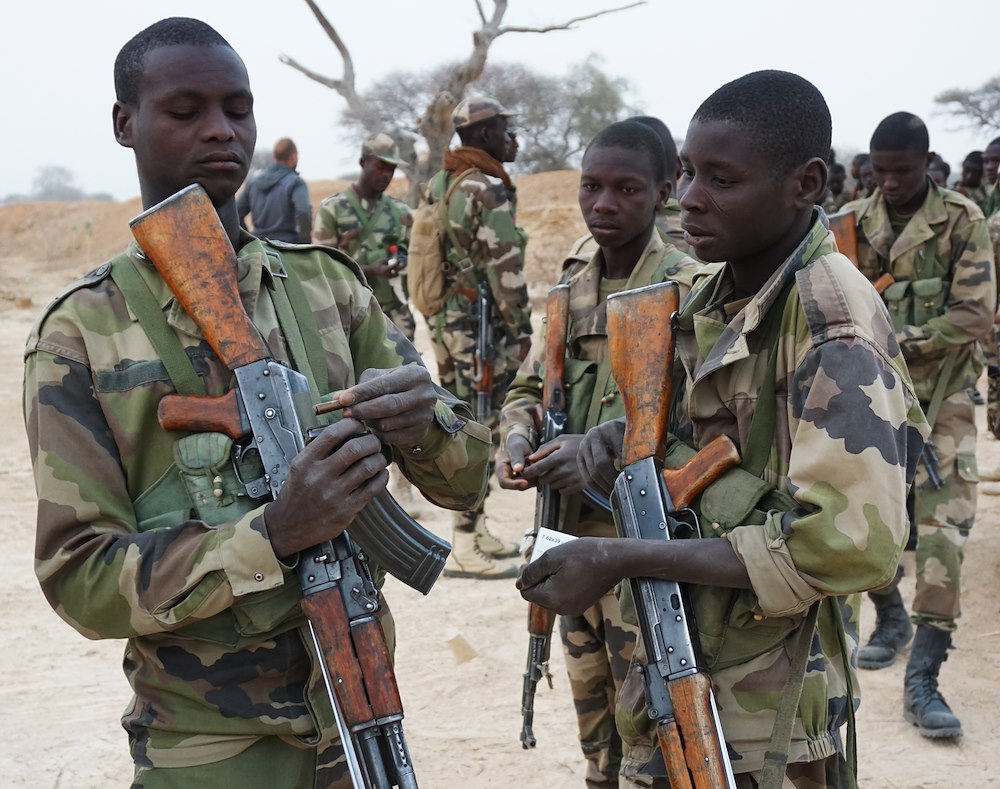
Nigerien soldiers prepare their magazines for a dismounted patrol during Exercise Flintlock 2017 in Diffa, Niger, March 11, 2017. Flintlock brings together forces who share the common goal of peace and stability in North and West Africa. (U.S. Army photo by Spc. Zayid Ballesteros/Released)
Photo by: Spc. Zayid Ballesteros
Flintlock 2017
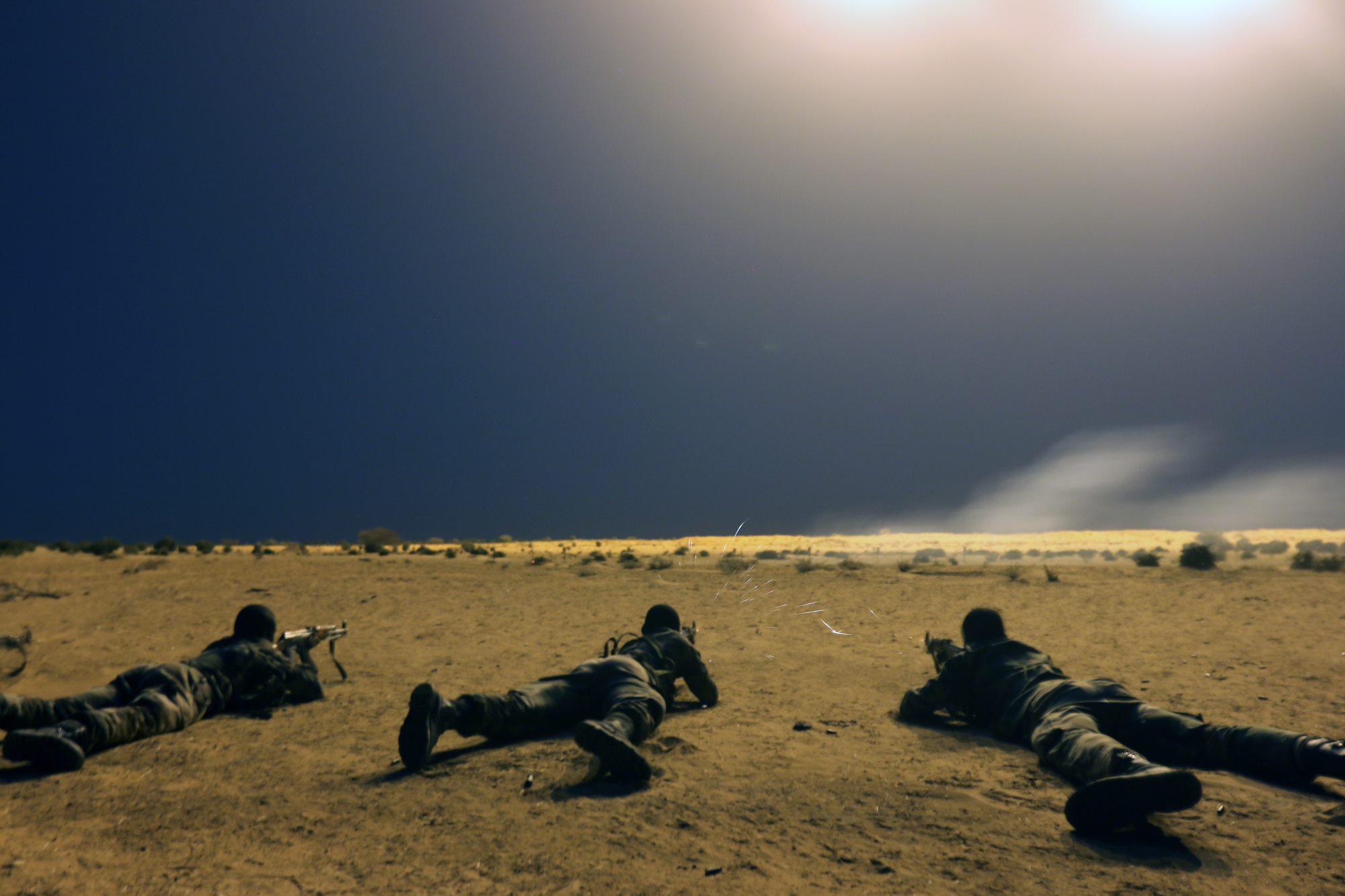
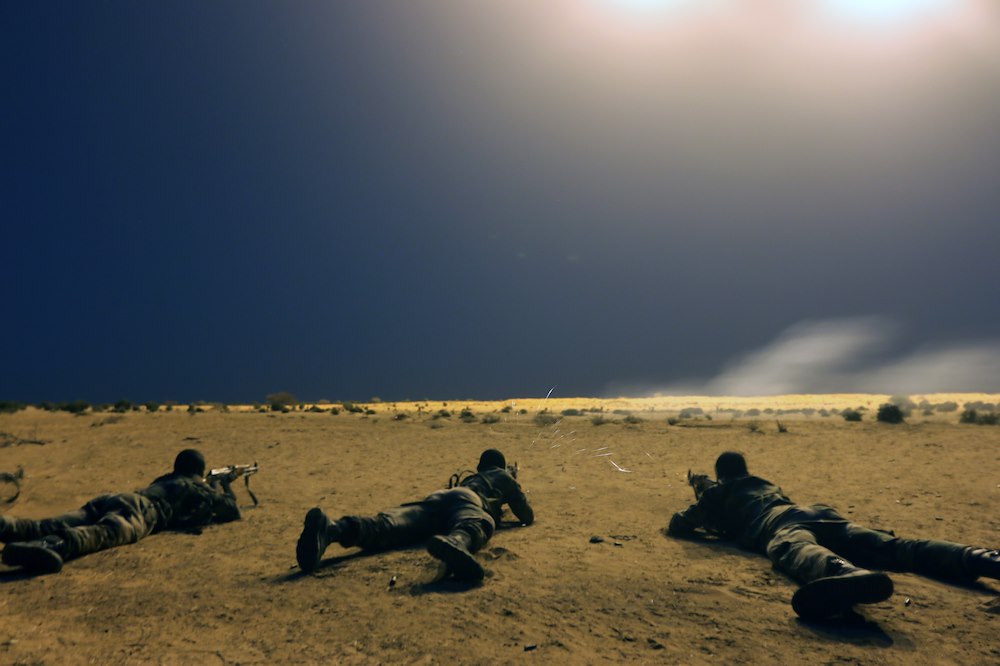
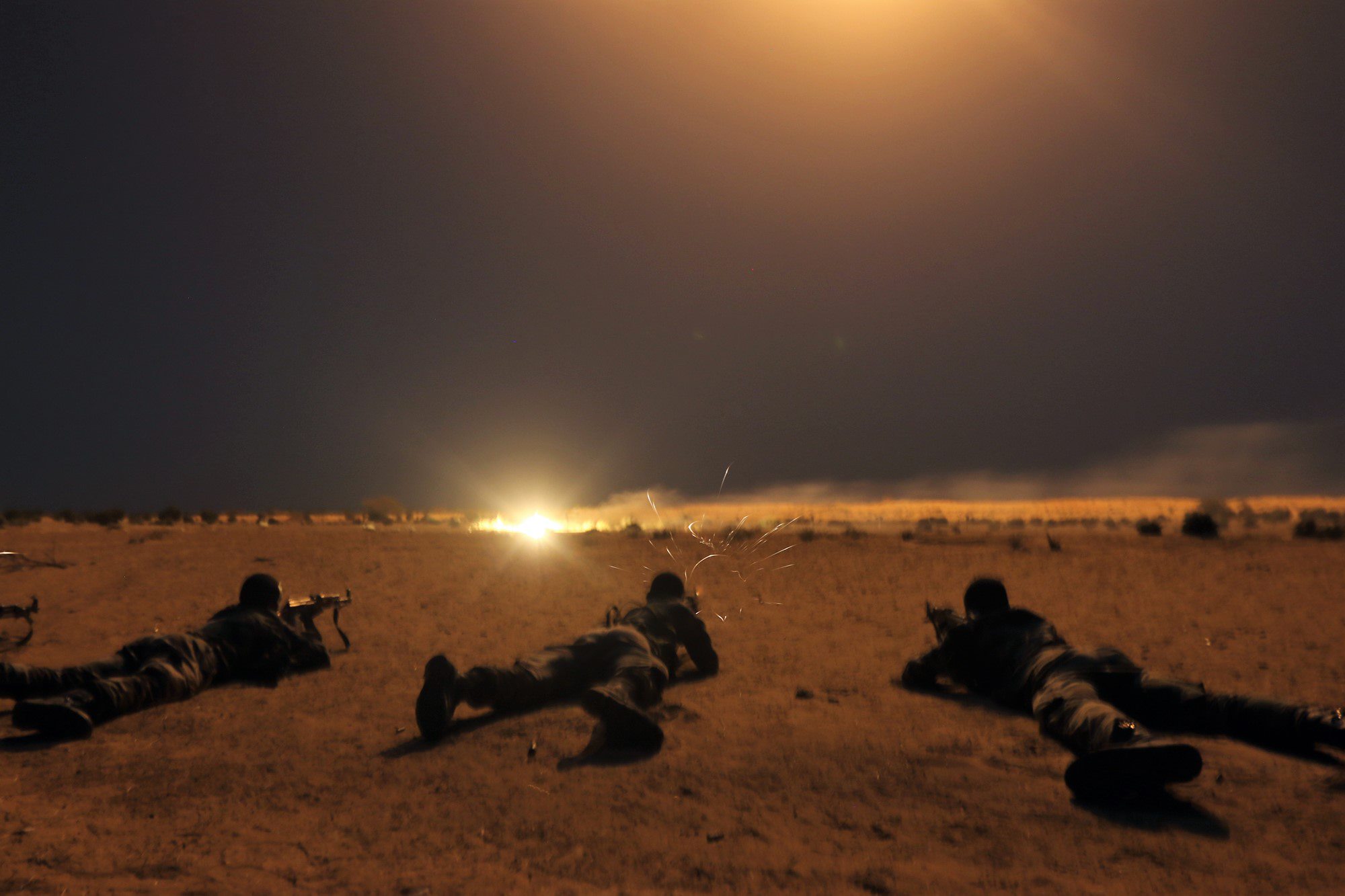
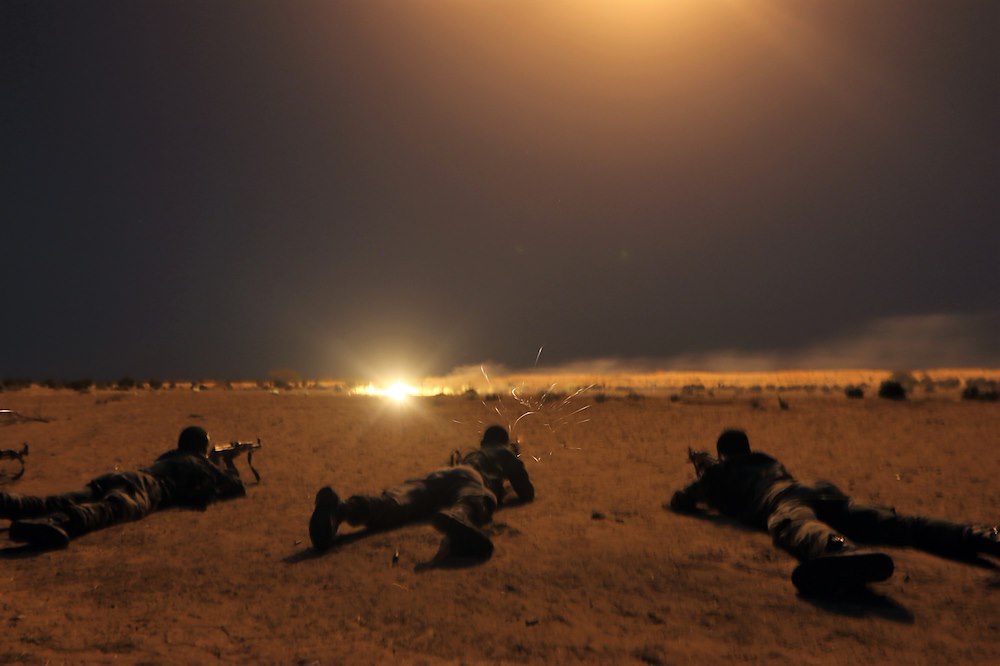
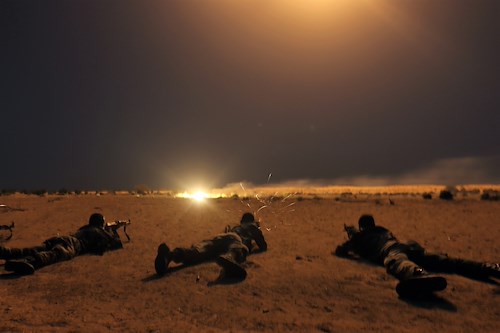
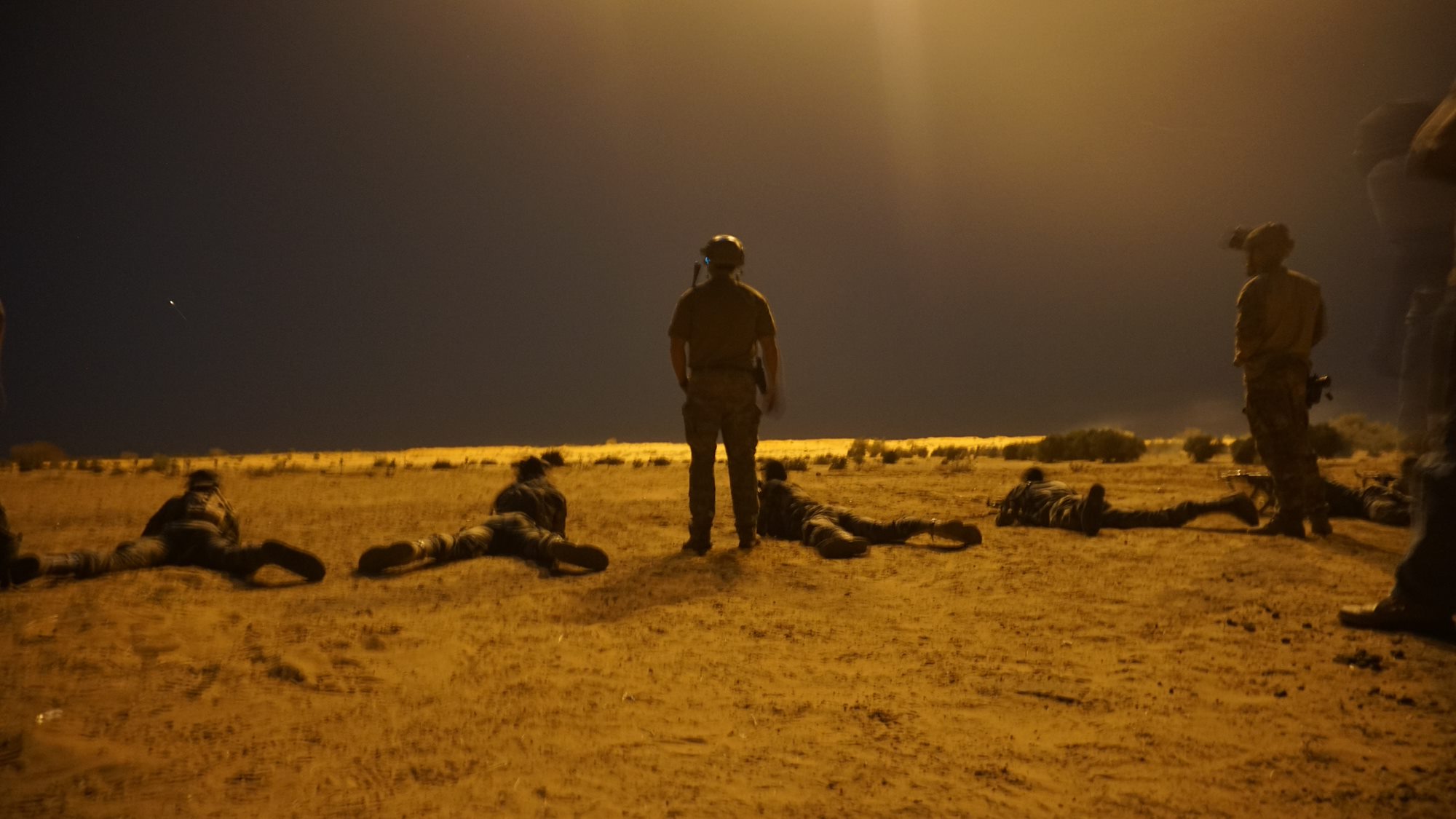
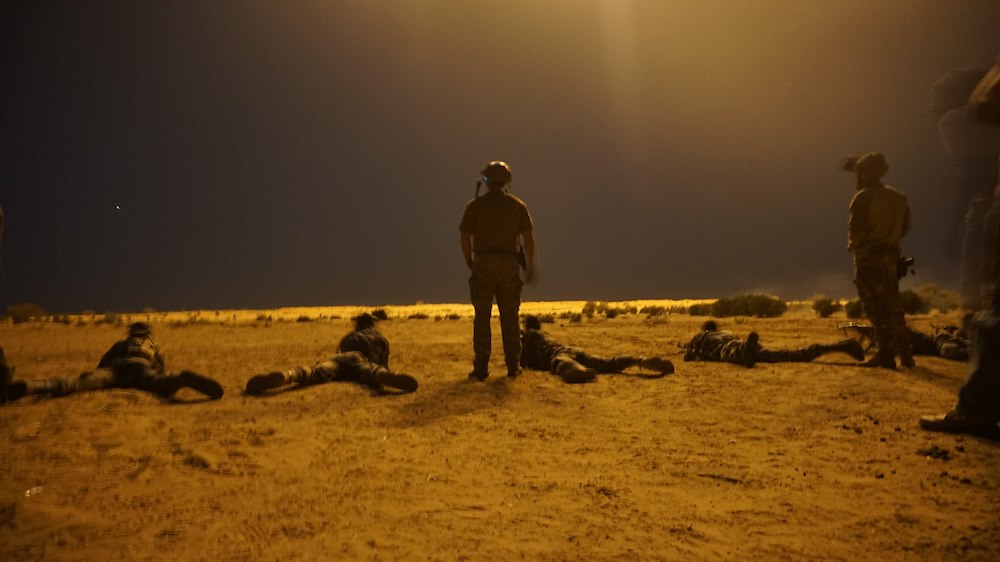
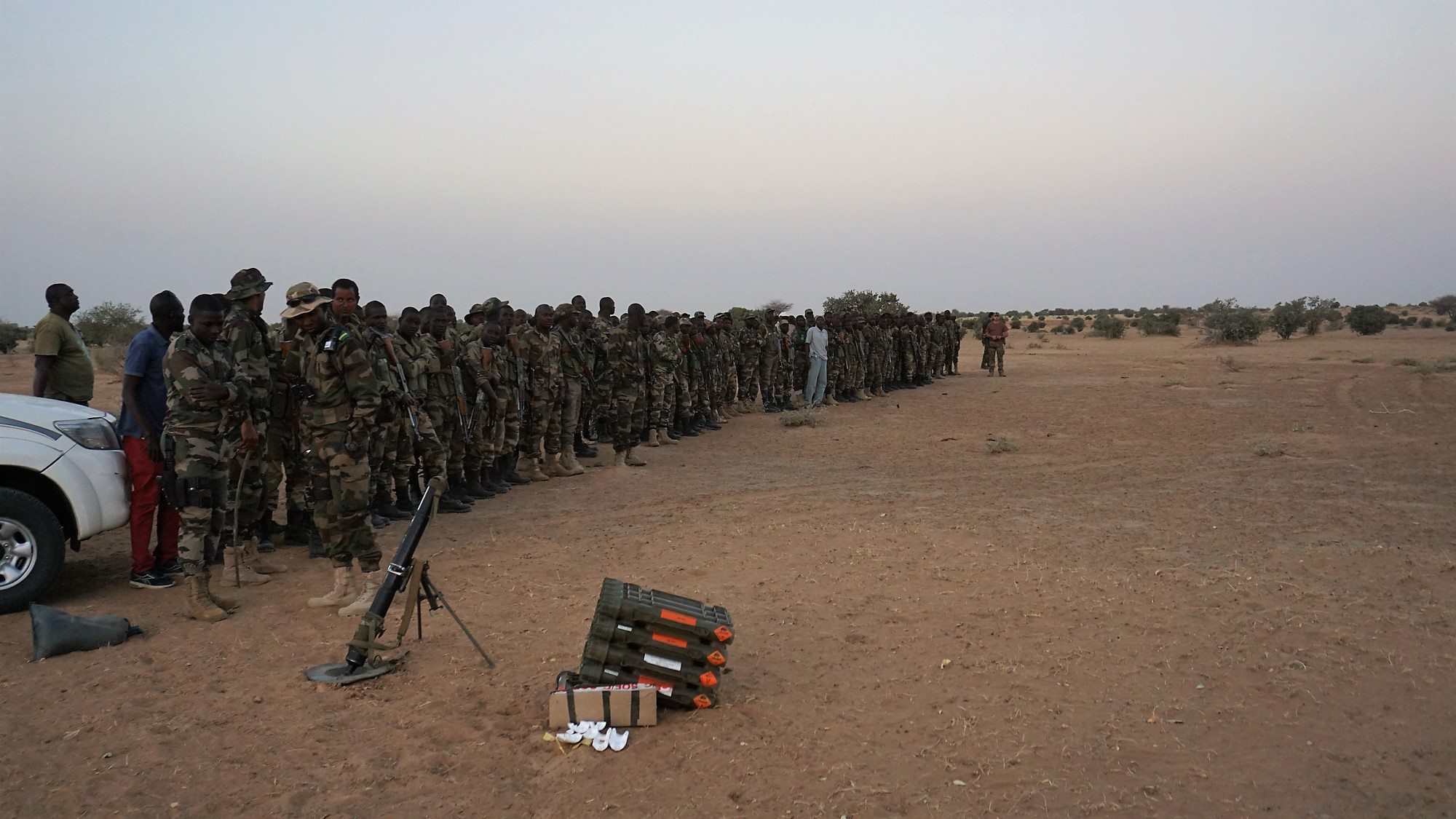
Nigerien soldiers shoot targets under 60mm illumination mortar rounds as a part of Exercise Flintlock 2017 in Diffa, Niger, March 9, 2017. Skills learned at Flintlock enable warriors in the multinational fight against violent extremist organizations. (Photo by Staff Sgt. Kulani Lakanaria/Released)
Photo by: Staff Sgt. Kulani Lakanaria
Flintlock 2017
Nigerien army soldiers shoot targets under 60mm illumination mortar rounds as a part of Exercise Flintlock 2017 in Diffa, Niger, March 9, 2017. Skills learned at Flintlock enable warriors in the multinational fight against violent extremist organizations. (Photo by Staff Sgt. Kulani Lakanaria/Released)
Photo by: Staff Sgt. Kulani Lakanaria
Flintlock 2017
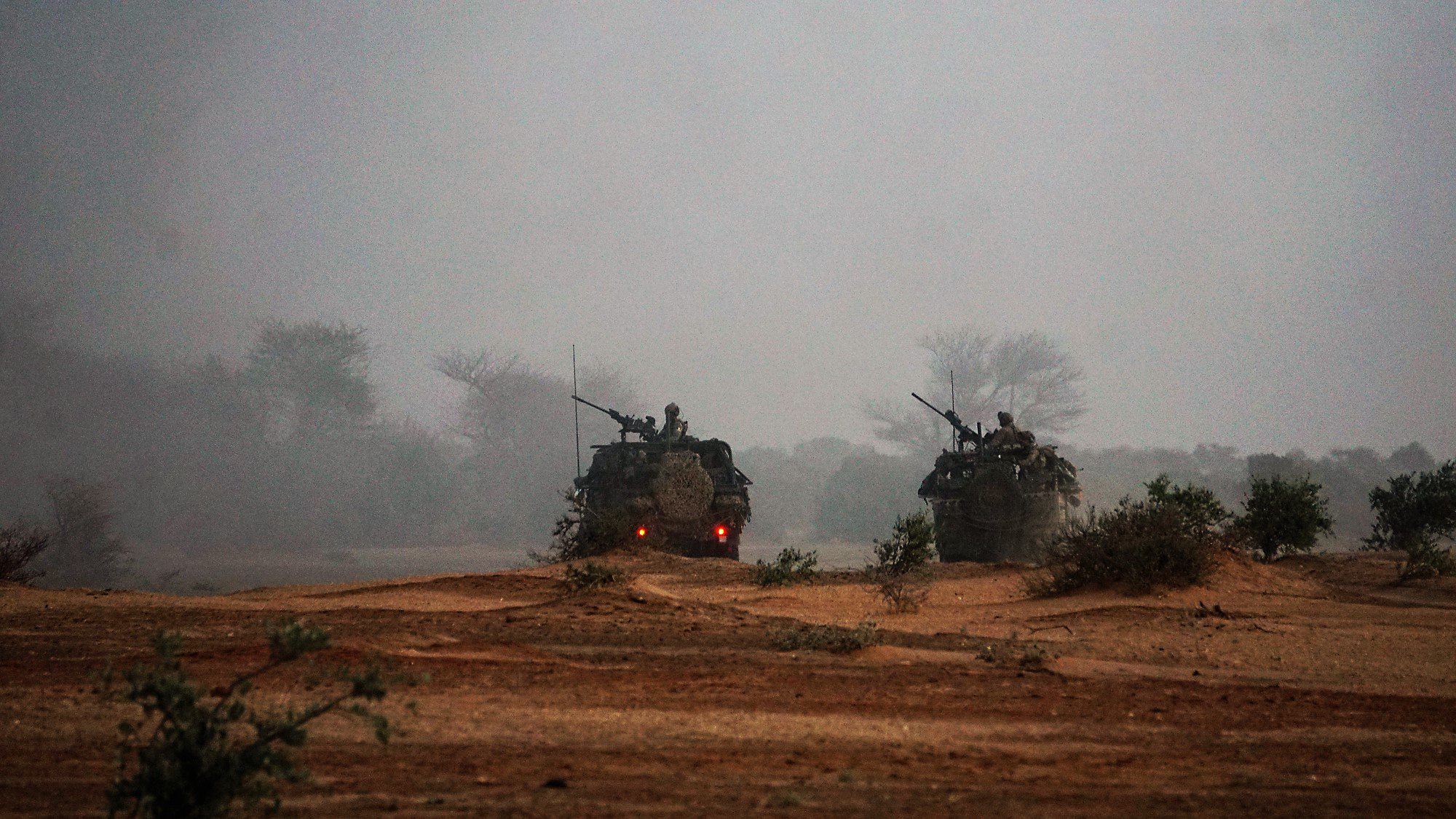
Belgian Special Operations Forces demonstrate their vehicle capabilities during Exercise Flintlock 2017 in Diffa, Niger, March 9, 2017. Flintlock brings together forces who share the common goal of peace and stability in North and West Africa. (U.S. Army photo by Spc. Zayid Ballesteros/Released)
Photo by: Spc. Zayid Ballesteros
Flintlock
U.S. Army Special Forces soldiers observe as Nigerien armed forces service members fire their weapons with the assistance of illumination rounds during Exercise Flintlock 2017 in Diffa, Niger, March 9, 2017. Flintlock is a Special Operations Forces exercise geared toward building interoperability between African and western partner nations. (U.S. Army photo by Spc. Zayid Ballesteros/Released)
Photo by: Spc. Zayid Ballesteros
Flintlock 2017
A Nigerien soldier provides rear security for his squad while they performed a dismounted patrol during Exercise Flintlock 2017 in Diffa, Niger, March 11, 2017. Flintlock exercises strengthen security institutions, promote multilateral sharing of information, and develop interoperability among partner nations in the Trans-Sahara. (U.S. Army photo by Spc. Zayid Ballesteros/Released)
Photo by: Spc. Zayid Ballesteros
Flintlock 2017
Nigerien armed forces service members observe as the Belgian Special Operations Forces prepare for a capabilities demonstration during Exercise Flintlock 2017 in Diffa, Niger, March 9, 2017. Flintlock bolsters partnerships between African, European and North American Special Operations Forces which increases their ability to work together in response to crises. (U.S. Army photo by Spc. Zayid Ballesteros/Released)
Photo by: Spc. Zayid Ballesteros
United States Africa Command Image
A U.S. Army Special Forces weapons sergeant speaks to a group of Nigerien soldiers prior to the start of a buddy team movement class during Exercise Flintlock 2017 in Diffa, Niger, March 11, 2017. Flintlock 2017 is designed to strengthen the ability of key partner nations in the region to protect their borders and provide security for their people. (U.S. Army photo by Spc. Zayid Ballesteros)
Photo by: Spc. Zayid Ballesteros
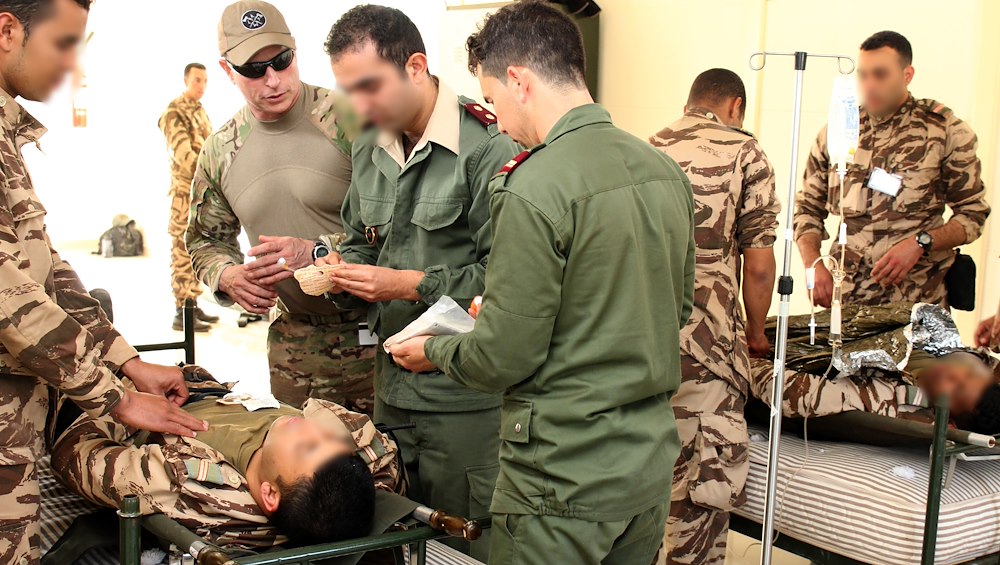
Tactical combat casualty care training part of Flintlock 2017
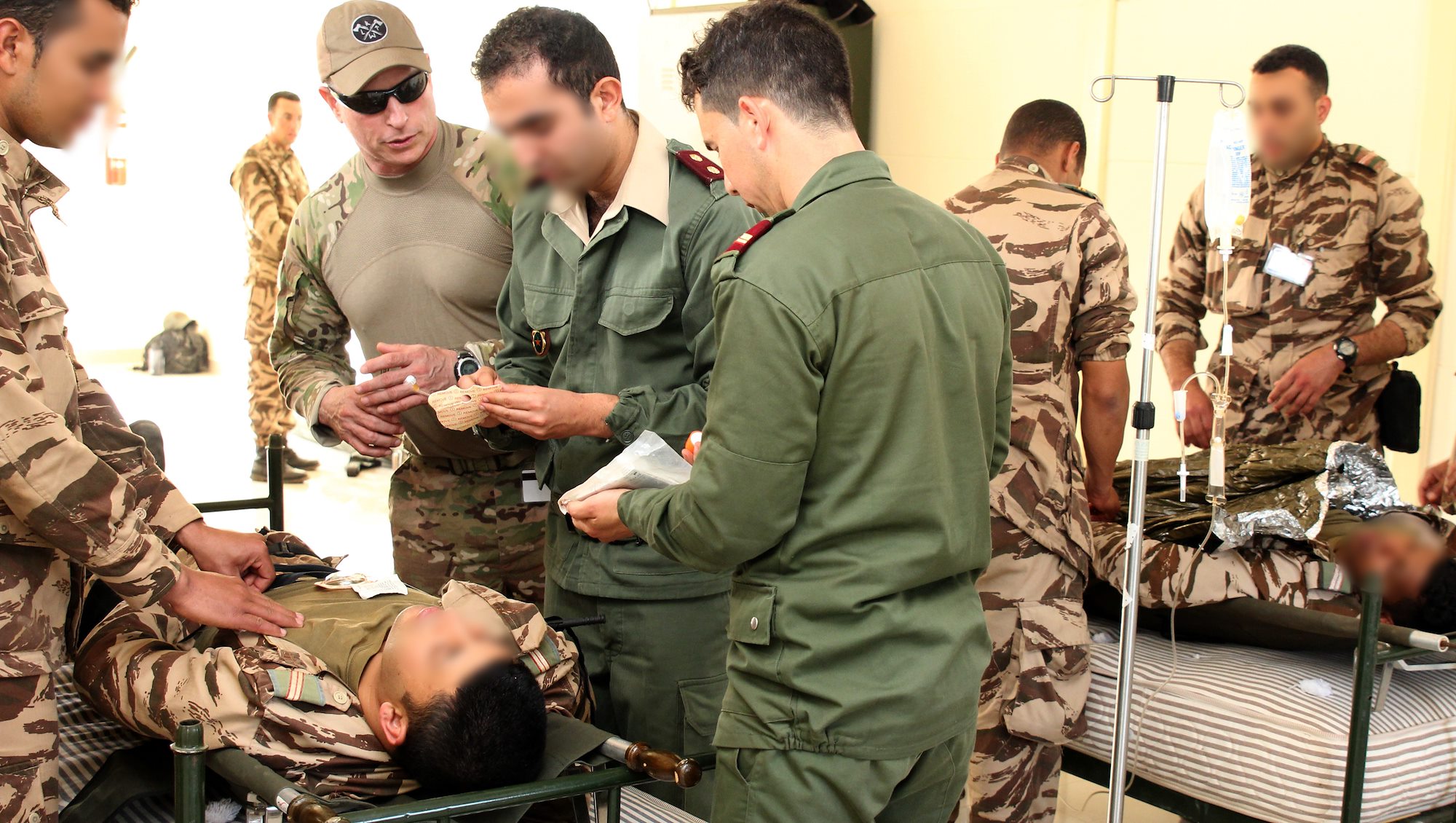
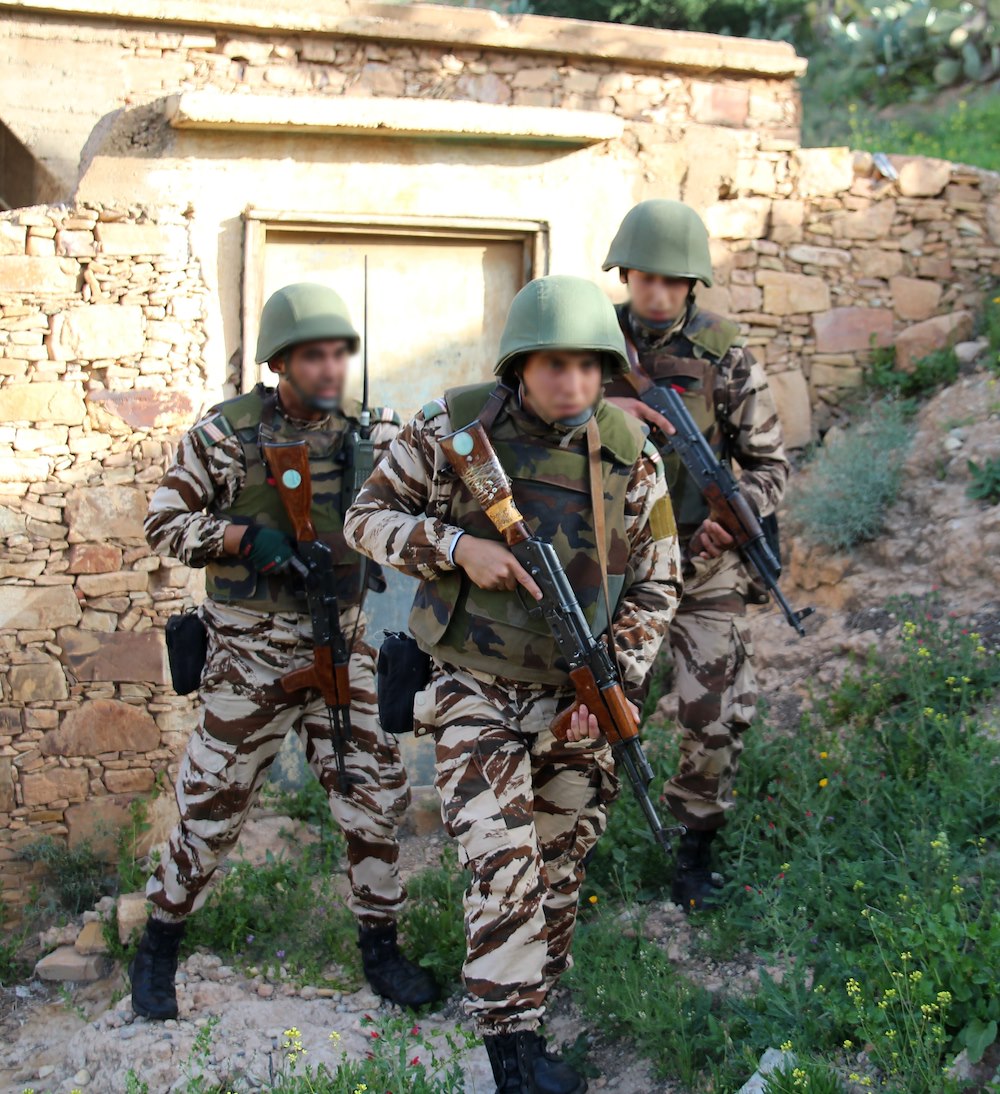
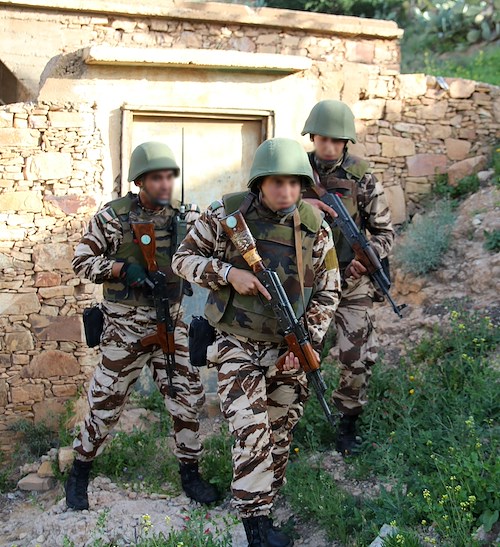
Special operations forces personnel from the Moroccan Royal Armed Forces conduct a training session on tactical combat casualty care during Exercise Flintlock 2017. The FAR personnel were joined by their partners from U.S. Marine Corps Forces, Special Operations Command. The exercise presents the opportunity for the two partners to enhance their interoperability and gain valuable lessons learned and best practices. The shared experiences strengthen the networked approach to collectively address regional operations in all mission areas. (Photo by Maj. Nicholas Mannweiler/Released)
Photo by: Maj. Nicholas Mannweiler
Operators develop information support skills
A member of the Moroccan special operations forces employs a Next Generation Loudspeaker System during training focused on military information support operations, March 6, 2017 in Tifnit, Morocco. MISO instructors from Special Operations Command Forward Northwest Africa partnered with critical skills operators from Marine Corps Forces, Special Operations Command and their Moroccan counterparts for Exercise Filntlock 2017, the tenth iteration of Africa's largest special operations exercise. Flintlock provides opportunities for SOF partners from 24 nations to improve their interoperability and build capacity in the fight against trans-regional threats and violet extremist organizations. (U.S. Army photo by Sgt. Brian Hardy/Released)
Photo by: Sgt. Brian Hardy
Operators develop information support skills
A member of the Moroccan special operations forces employs a Next Generation Loudspeaker System during training focused on military information support operations, 6 March 2017 in Tifnit, Morocco. MISO instructors from Special Operations Command Forward Northwest Africa partnered with critical skills operators from Marine Corps Forces, Special Operations Command and their Moroccan counterparts for Exercise Filntlock 2017, the tenth iteration of Africa's largest special operations exercise. Flintlock provides opportunities for SOF partners from 24 nations to improve their interoperability and build capacity in the fight against trans-regional threats and violet extremist organizations. (U.S. Army photo by Sgt. Brian Hardy/Released)
Photo by: Sgt. Brian Hardy
SASC hearing
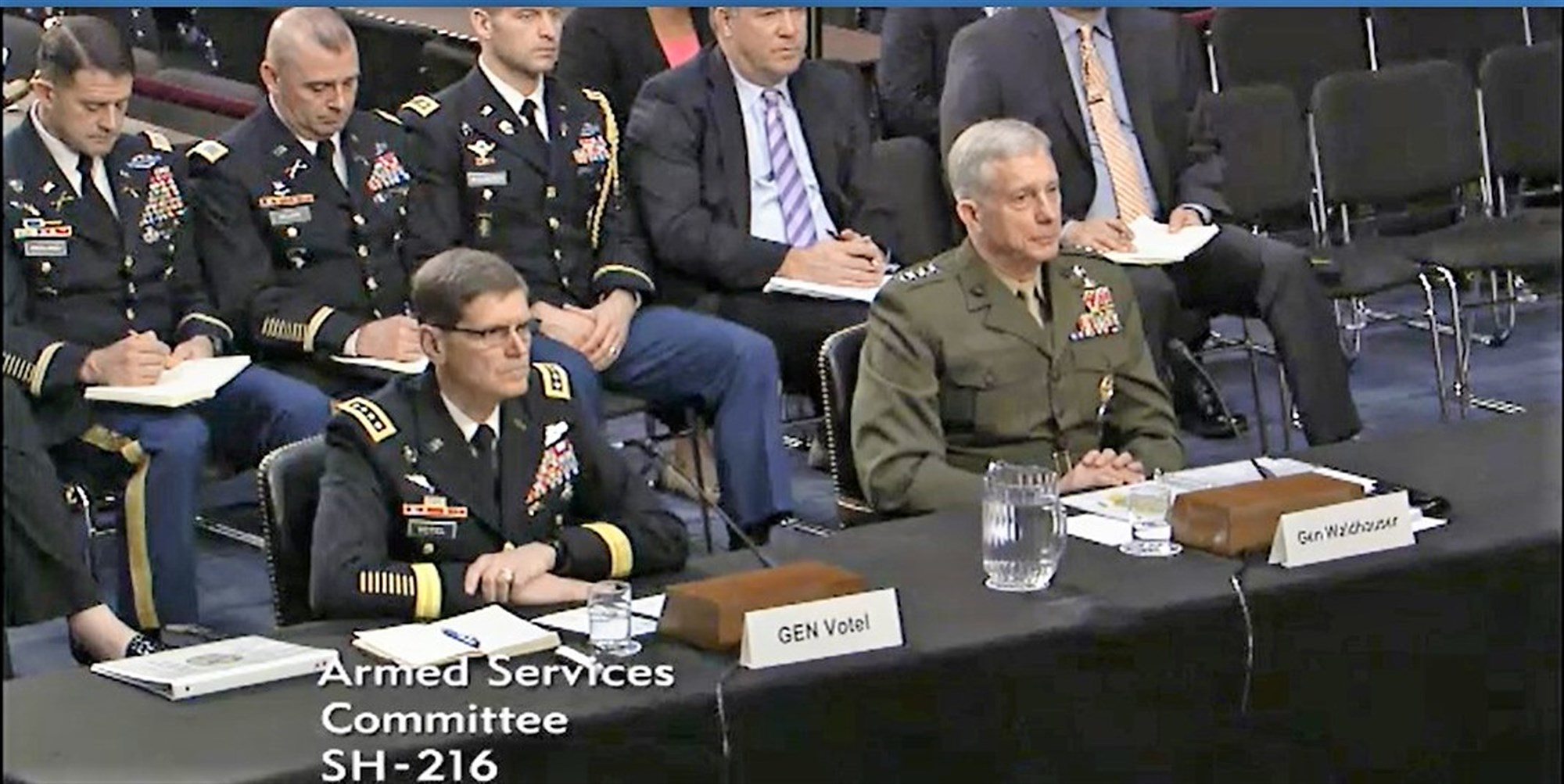
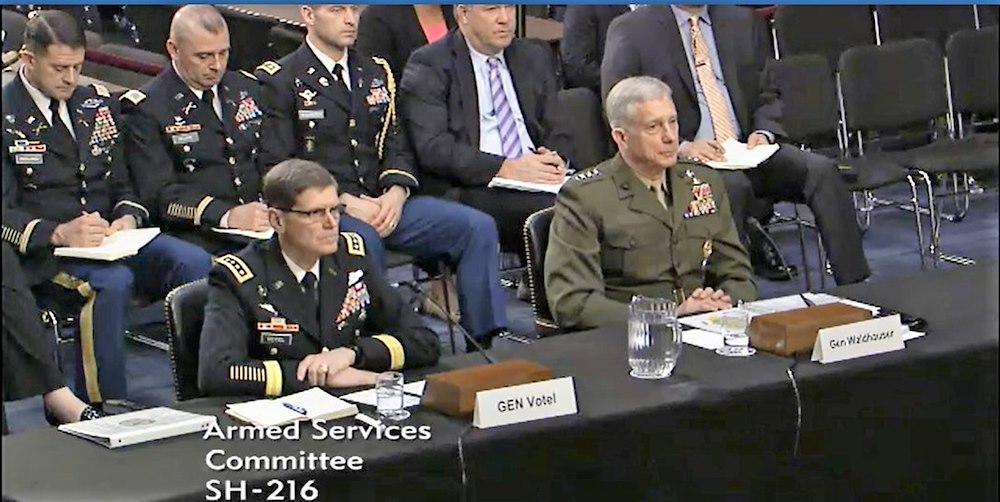
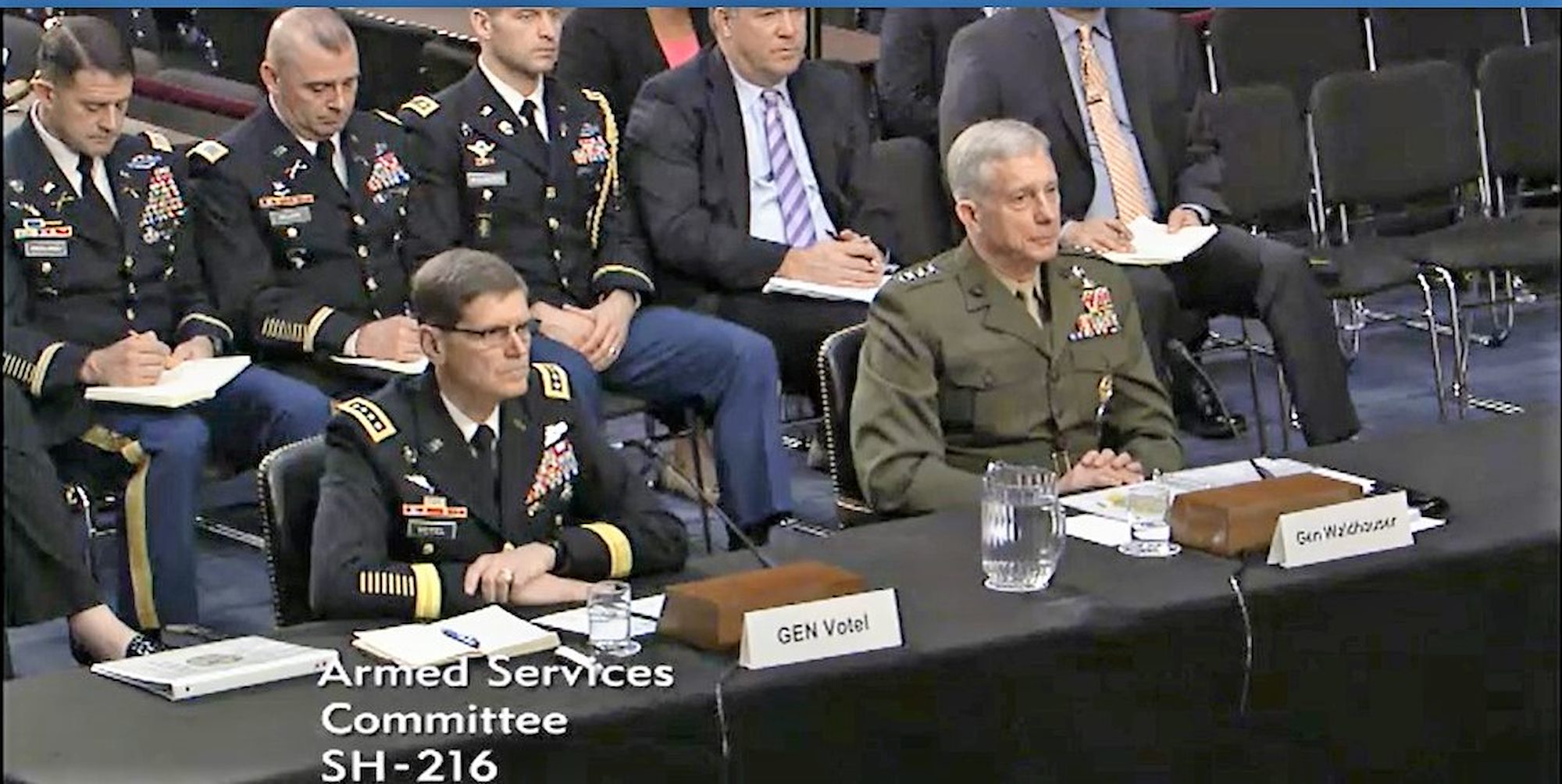
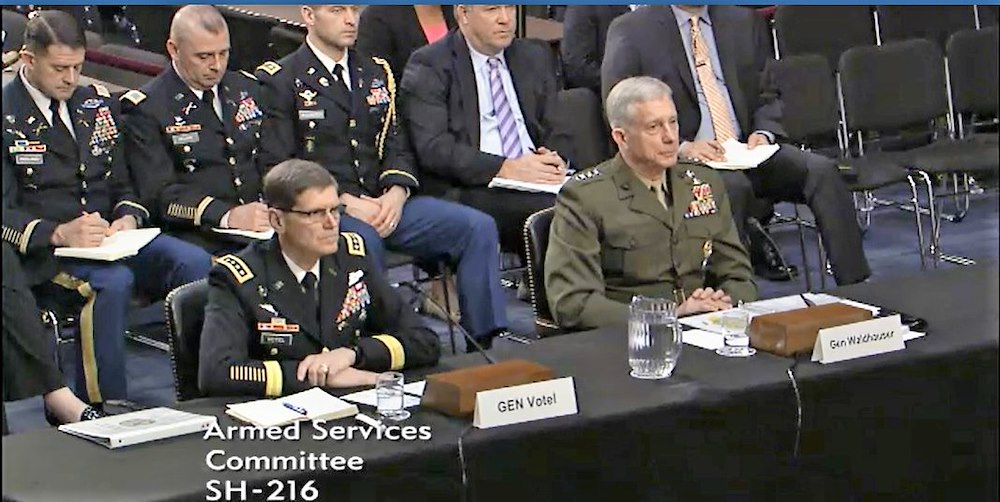
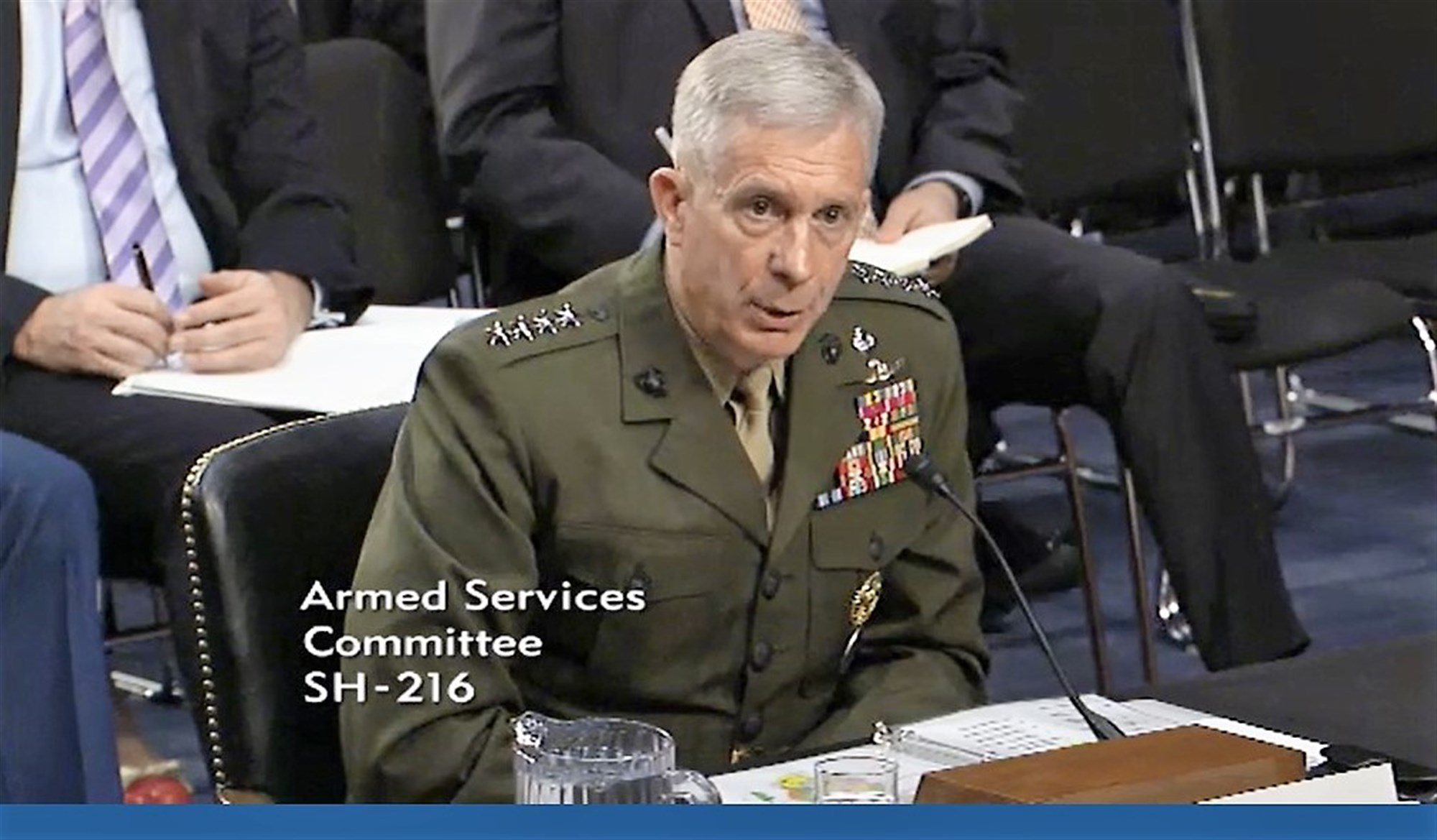
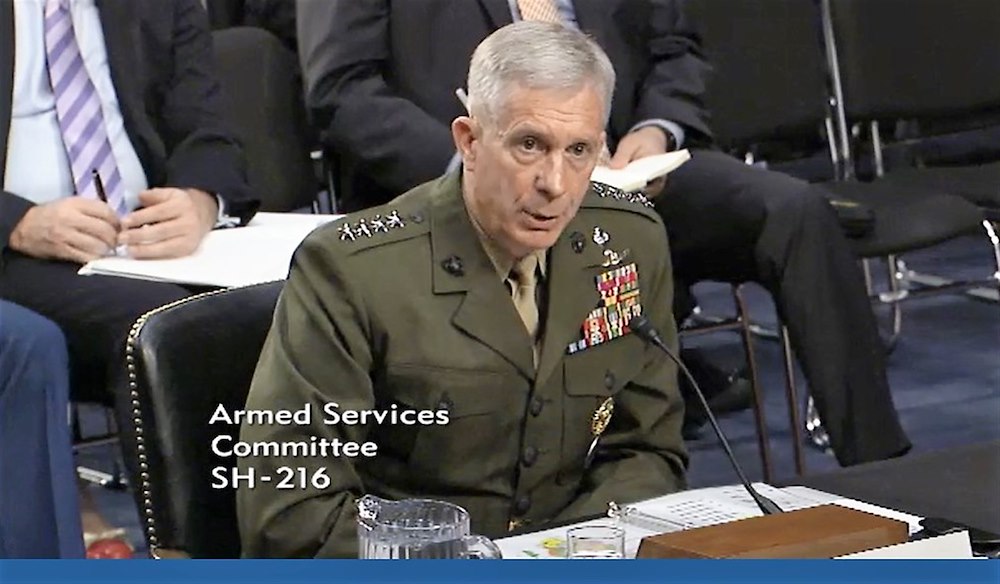
AFRICOM Commander Gen. Thomas Waldhauser (right) and CENTCOM Commander Gen. Joseph Votel, appear before the SASC, Mar. 9, 2017, Washington. Waldhauser appeared before the committee for an annual session that allows members the opportunity receive updates from commanders and ask questions that inform decisions. During the hearing, Waldhauser submitted U.S. AFRICOM’s official annual posture statement and answered questions related to the command’s area of responsibility on topics ranging from counter-terrorism initiatives to the influence of other countries upon the African continent. (Courtesy image)
Photo by: U.S. Africa Command Public Affairs, Stuttgart, Germany
Commander delivers annual statement to the Senate House Services Committee
AFRICOM Commander Gen. Thomas Waldhauser (right) and CENTCOM Commander Gen. Joseph Votel, appear before the SASC, Mar. 9, 2017, Washington. Waldhauser appeared before the committee for an annual session that allows members the opportunity receive updates from commanders and ask questions that inform decisions. During the hearing, Waldhauser submitted U.S. AFRICOM’s official annual posture statement and answered questions related to the command’s area of responsibility on topics ranging from counter-terrorism initiatives to the influence of other countries upon the African continent. (Courtesy image)
Photo by: U.S. Africa Command Public Affairs, Stuttgart, Germany
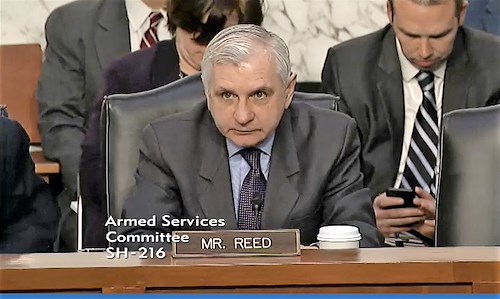
Commander delivers annual statement to the Senate House Services Committee
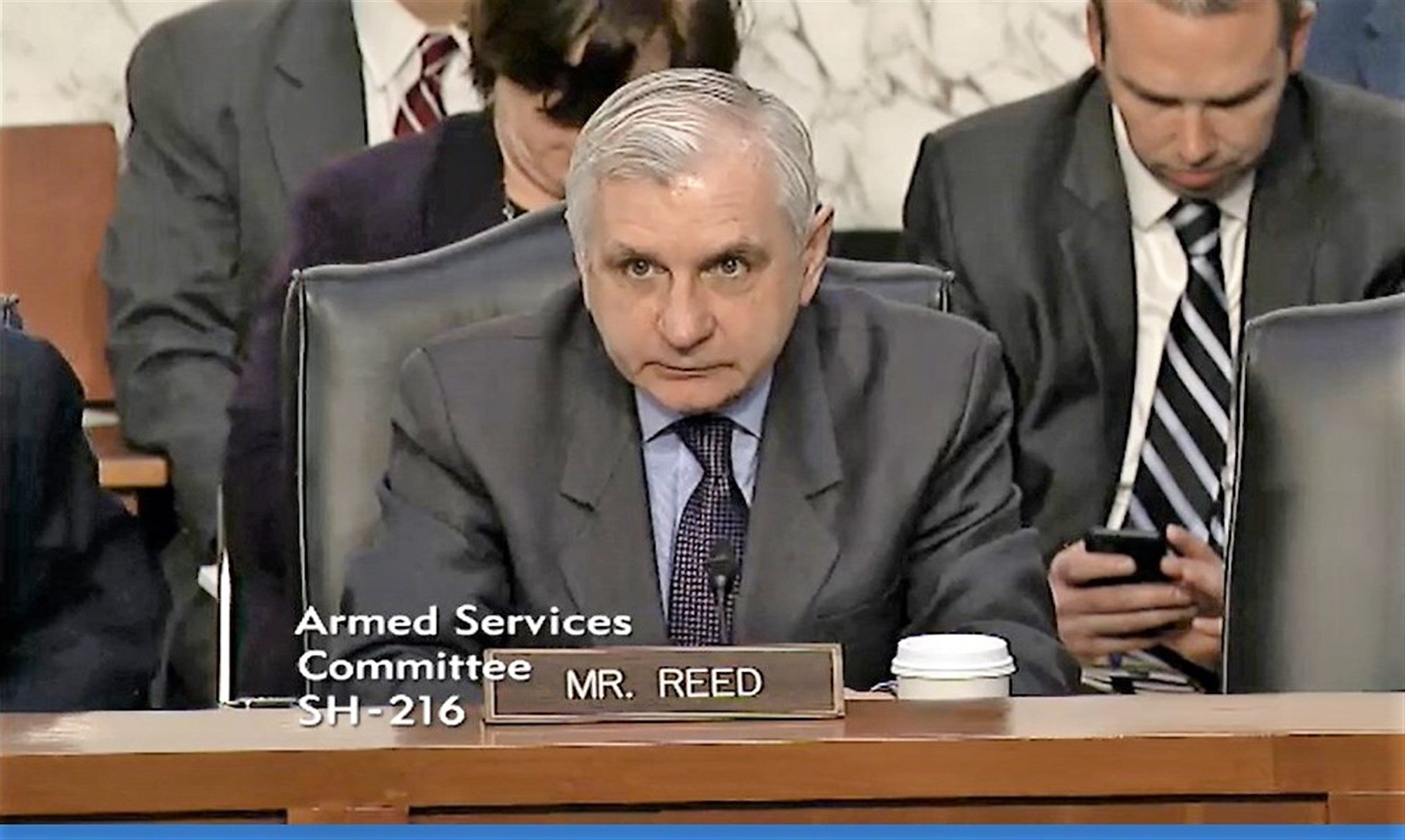
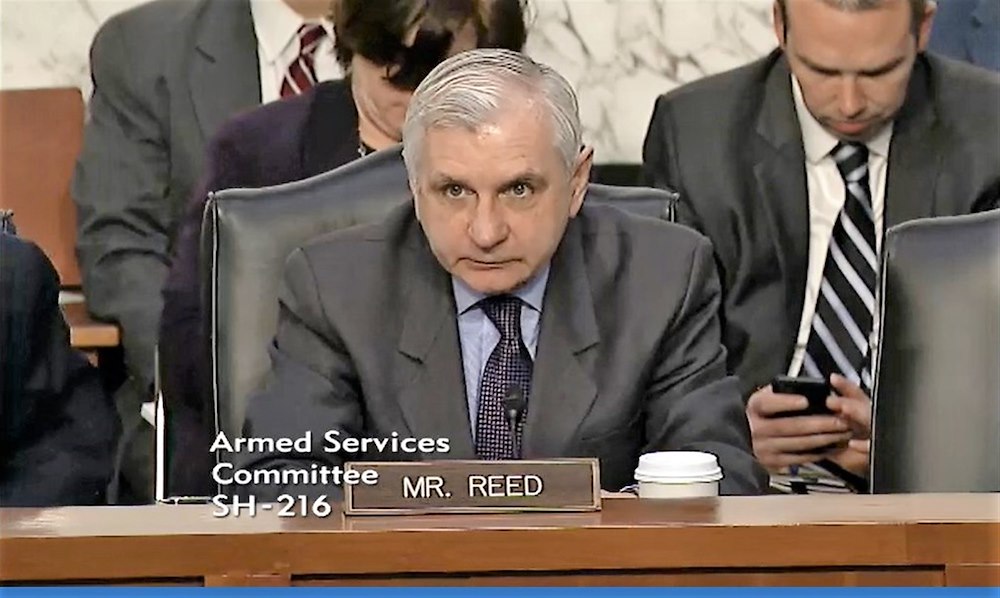
SASC Ranking Member, Sen. Jack Reed at hearing on AFRICOM and CENTCOM, Mar. 9, 2017, in Washington. Gen. Thomas Waldhauser, AFRICOM commander, appeared before the committee for an annual session that allows members the opportunity receive updates from commanders and ask questions that inform decisions. During the hearing, Waldhauser submitted U.S. AFRICOM’s official annual posture statement and answered questions related to the command’s area of responsibility on topics ranging from counter-terrorism initiatives to the influence of other countries upon the African continent. (Courtesy image)
Photo by: U.S. Africa Command Public Affairs, Stuttgart, Germany
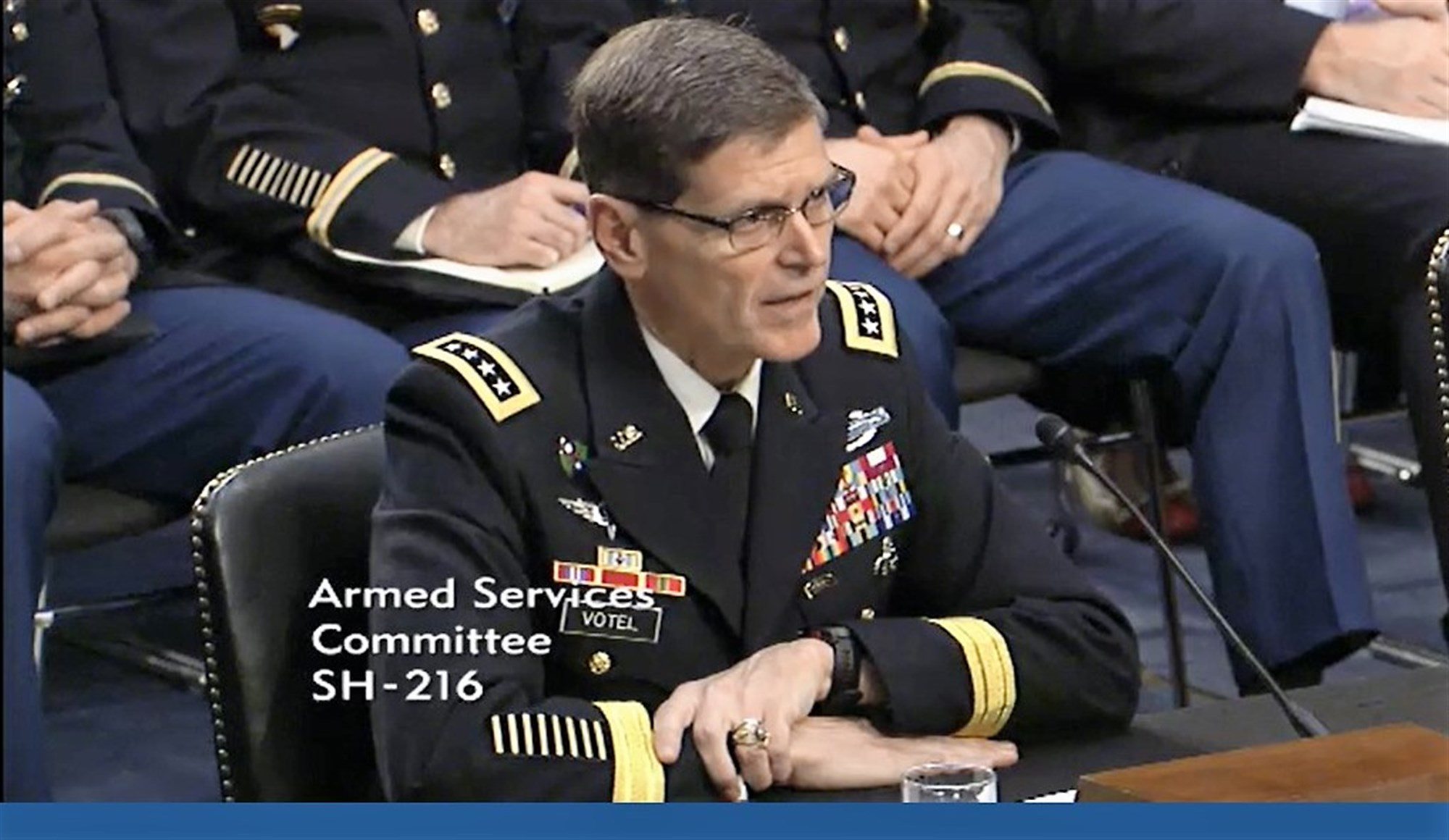
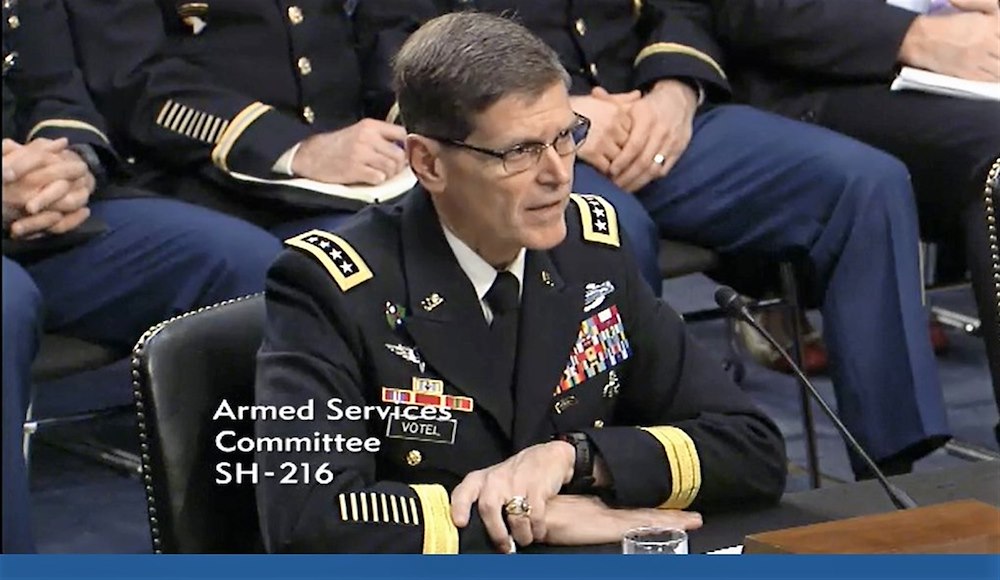
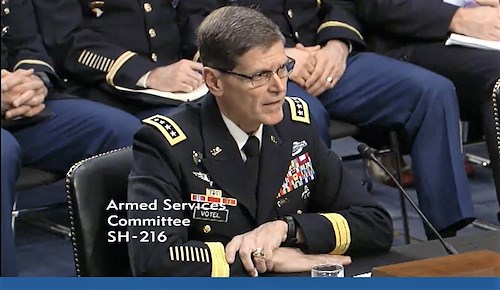
Commander delivers annual statement to the Senate House Services Committee
Gen. Joseph Votel, U.S. CENTCOM commander, appeared before the committee for an annual session that allows members the opportunity receive updates from commanders and ask questions that inform decisions. During the hearing, Votel submitted U.S. CENTCOM’s official annual posture statement and answered questions related to the command’s area of responsibility on topics ranging from counter-terrorism initiatives to the influence of other countries in the CENTCOM area of operations. (Courtesy image)
Photo by: U.S. Africa Command Public Affairs, Stuttgart, Germany
Commander delivers annual statement to the Senate House Services Committee
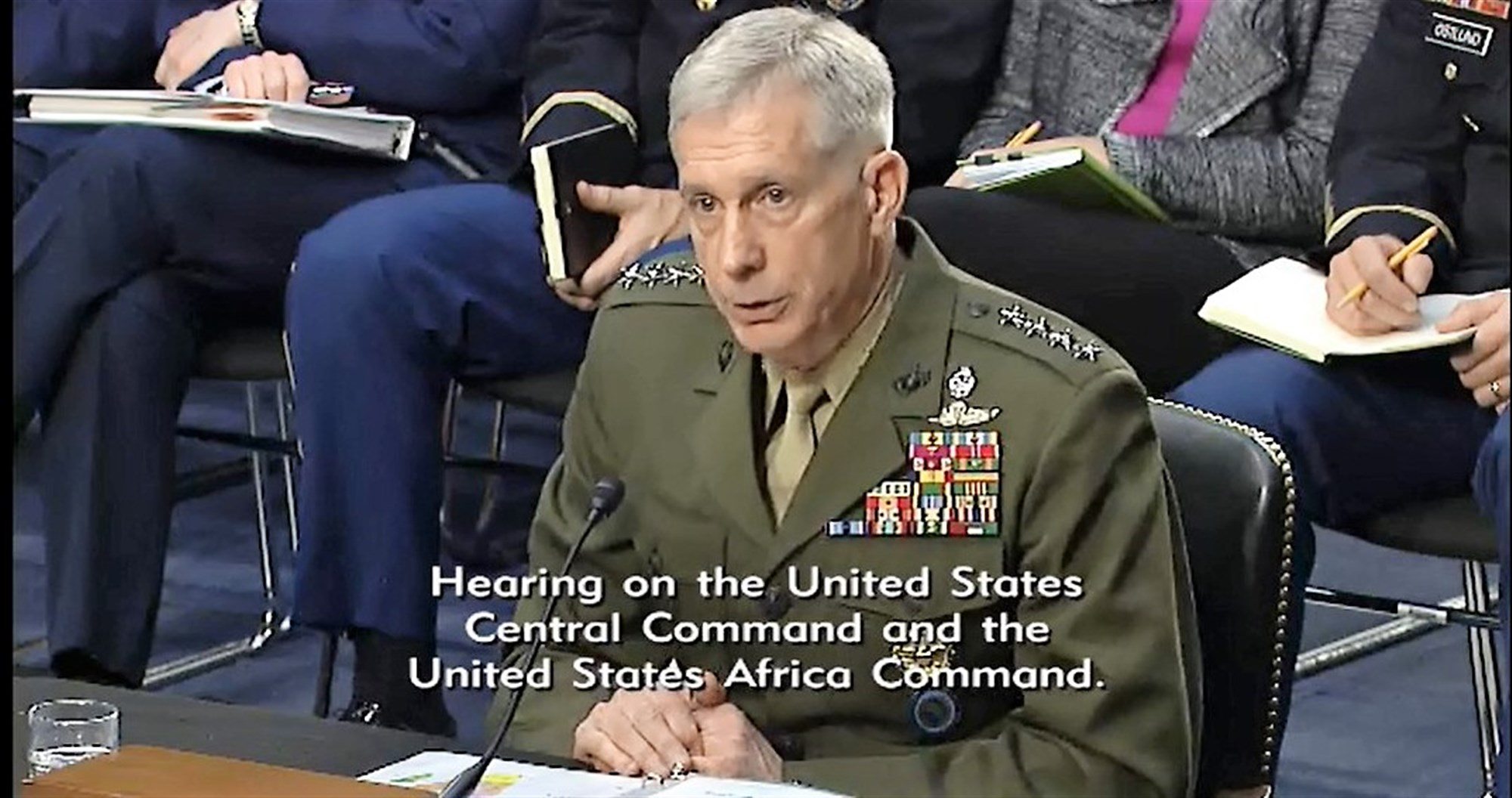
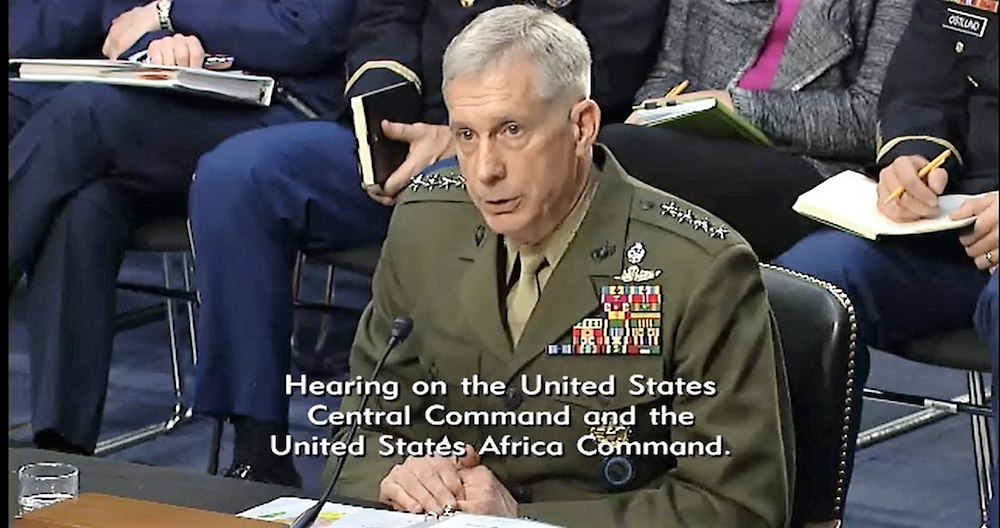
Commander U.S. Africa Command General Thomas Waldhauser provides information to members of the U.S. Senate Committee on Armed Services (SASC) during a hearing held on March 9, 2017 in Washington DC.
Waldhauser appeared before the committee for an annual session that allows members the opportunity receive updates from commanders and ask questions that inform decisions. During the hearing, Waldhauser submitted U.S. AFRICOM’s official annual posture statement and answered questions related to the command’s area of responsibility on topics ranging from counter-terrorism initiatives to the influence of other countries upon the African continent. (Courtesy image)
Photo by: U.S. Africa Command Public Affairs, Stuttgart, Germany
Commander delivers annual statement to the Senate House Services Committee
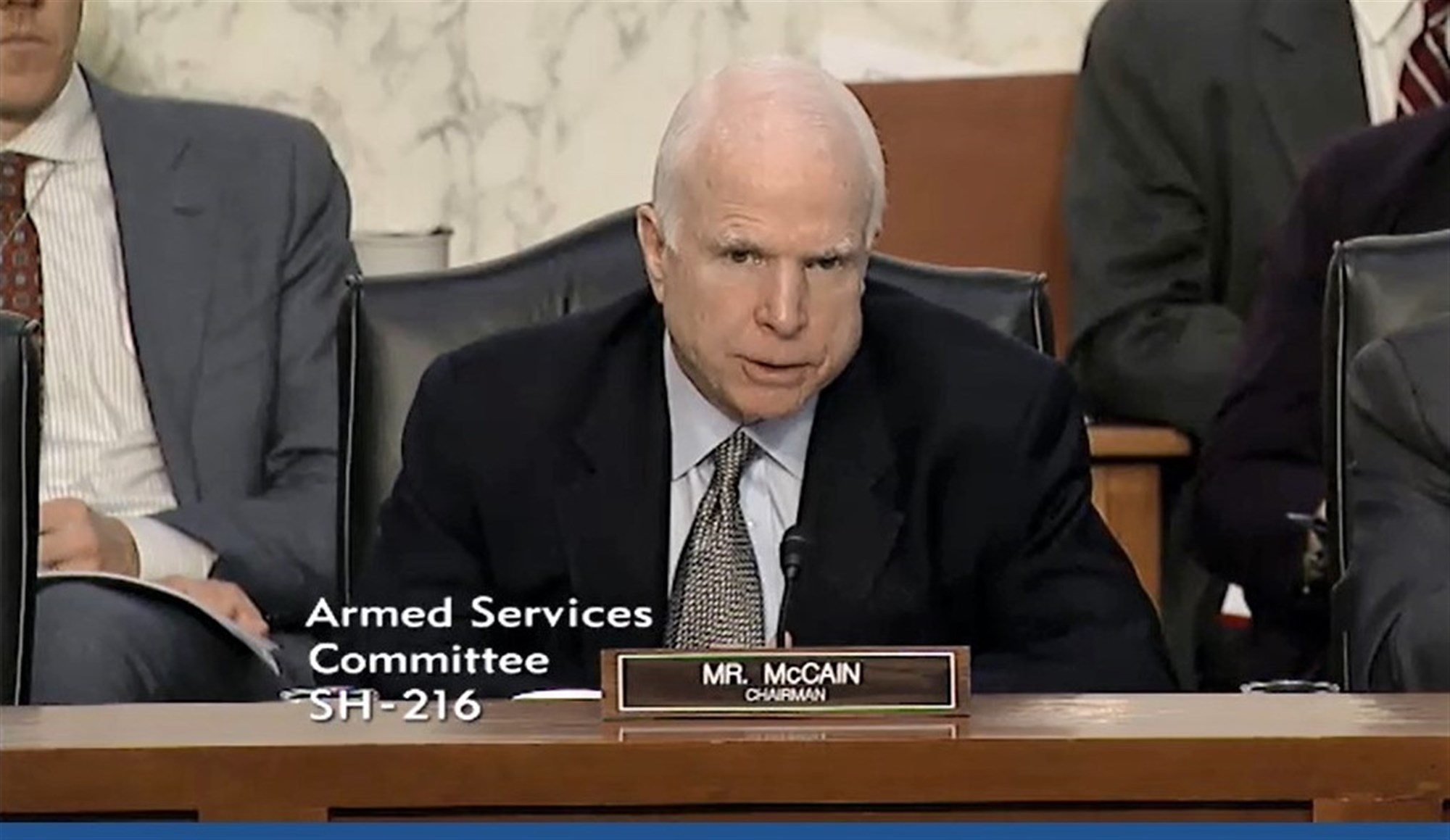
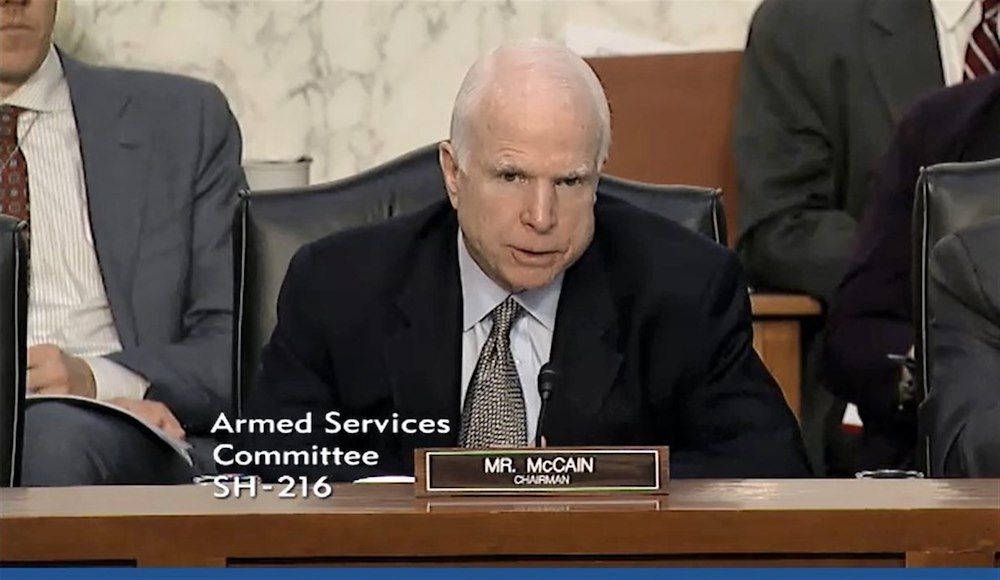
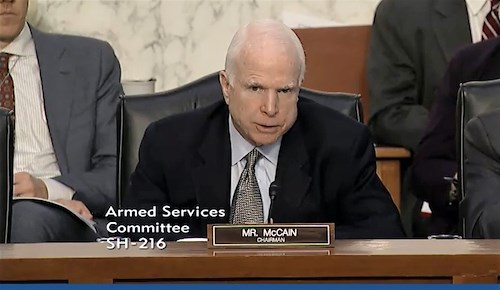
SASC Chairman, Sen. John McCain at hearing on AFRICOM and CENTCOM, Mar. 9, 2017, in Washington. Gen. Thomas Waldhauser, AFRICOM commander, appeared before the committee for an annual session that allows members the opportunity receive updates from commanders and ask questions that inform decisions. During the hearing, Waldhauser submitted U.S. AFRICOM’s official annual posture statement and answered questions related to the command’s area of responsibility on topics ranging from counter-terrorism initiatives to the influence of other countries upon the African continent. (Courtesy image)
Photo by: U.S. Africa Command Public Affairs, Stuttgart, Germany
Commander delivers annual statement to the Senate House Services Committee
SASC hearing on AFRICOM and CENTCOM, Mar. 9, 2017, Washington. Gen. Thomas Waldhauser, AFRICOM commander, appeared before the committee for an annual session that allows members the opportunity receive updates from commanders and ask questions that inform decisions. During the hearing, Waldhauser submitted U.S. AFRICOM’s official annual posture statement and answered questions related to the command’s area of responsibility on topics ranging from counter-terrorism initiatives to the influence of other countries upon the African continent. (Courtesy image)
Photo by: U.S. Africa Command Public Affairs, Stuttgart, Germany
Commander delivers annual statement to the Senate House Services Committee
Commander U.S. Africa Command General Thomas Waldhauser provides information to members of the U.S. Senate Committee on Armed Services (SASC) during a hearing held on March 9, 2017 in Washington, DC.
Waldhauser appeared before the committee for an annual session that allows members the opportunity receive updates from commanders and ask questions that inform decisions. During the hearing, Waldhauser submitted U.S. AFRICOM’s official annual posture statement and answered questions related to the command’s area of responsibility on topics ranging from counter-terrorism initiatives to the influence of other countries upon the African continent. (Courtesy image)
Photo by: U.S. Africa Command Public Affairs, Stuttgart, Germany
The oldest friendship: U.S. and Morocco, and Flintlock 2017
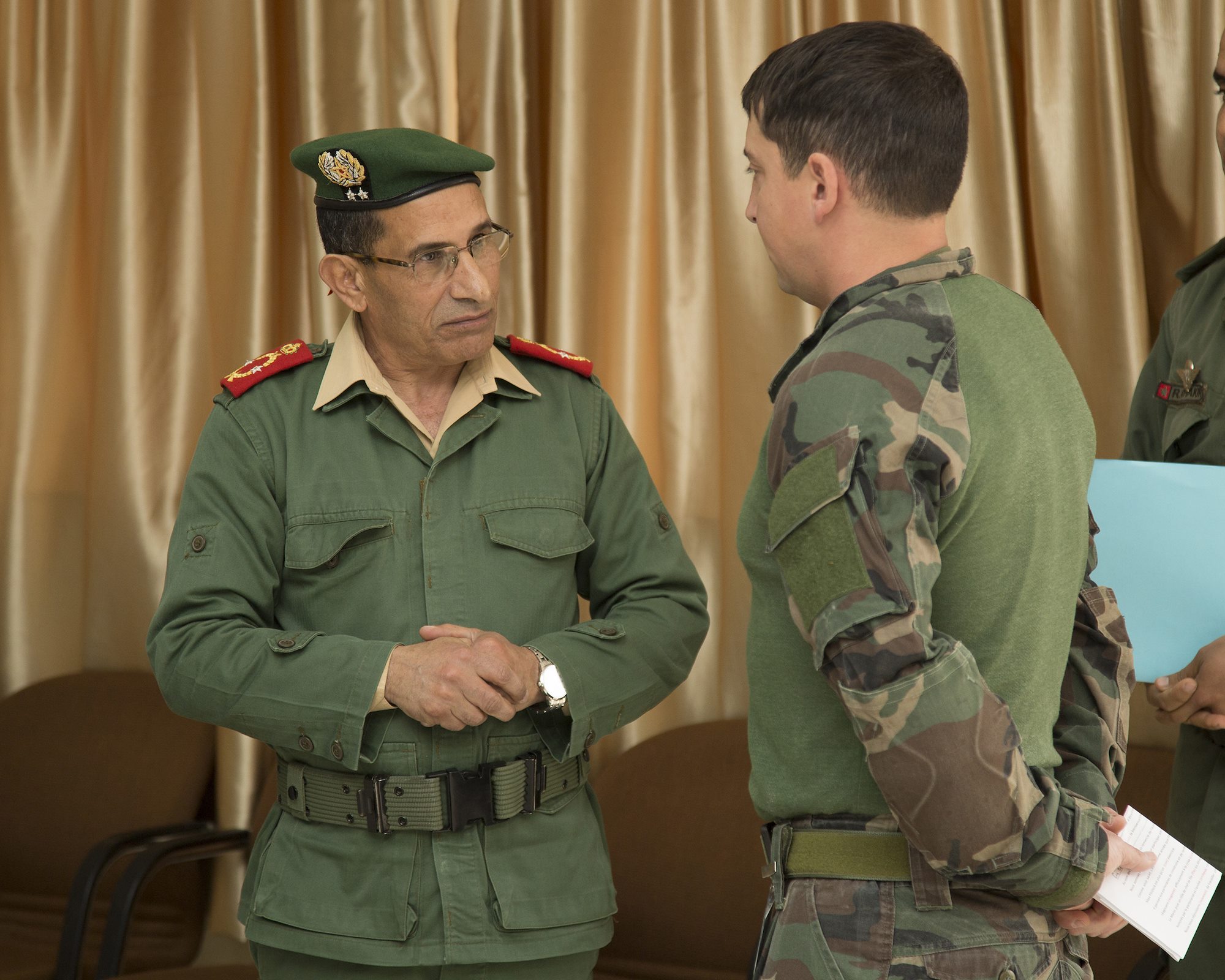
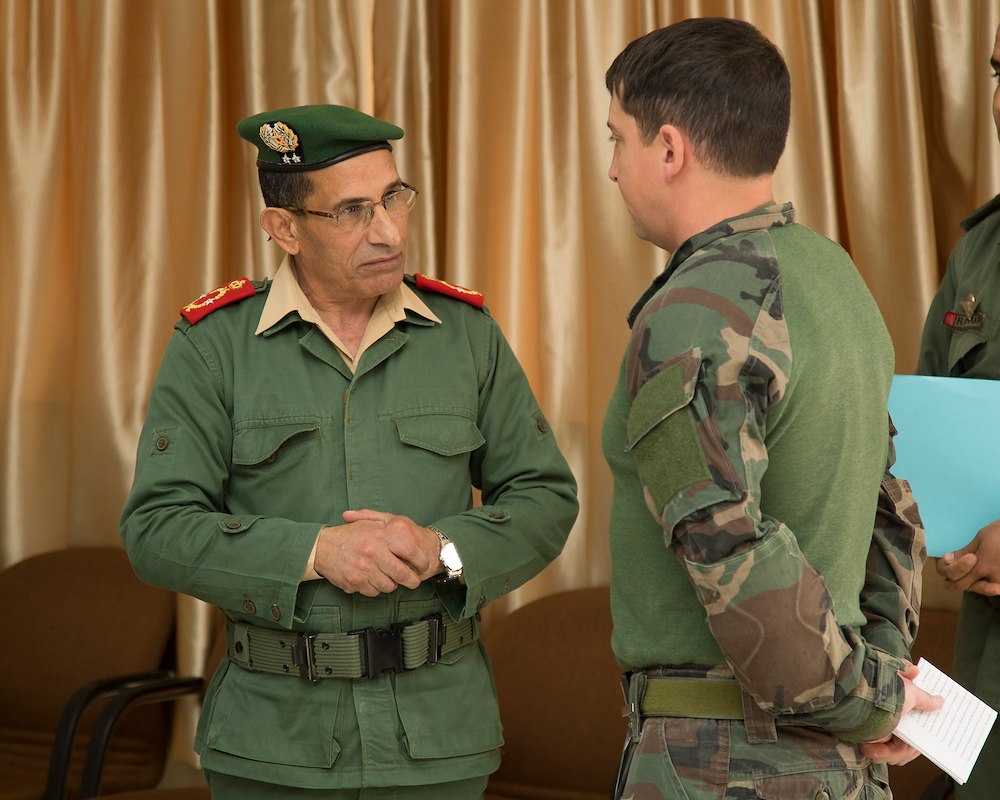
Brig. Gen. Mohammed Benlouali, operations commander for Morocco’s Southern Zone, speaks to the lead exercise instructor from a U.S. Marine Corps Forces, Special Operations Command (MARSOC) team at the opening ceremony for Exercise Flintlock 2017, on Feb. 27. This year marks the tenth iteration of the special operations forces exercise, which focuses on building partner capacity and enhancing interoperability between 24 African and Western partners training in seven partner nations. (U.S. Marine Corps Photo by Sgt. Scott A. Achtemeier/Released)
Photo by: Maj. Nicholas Mannweiler
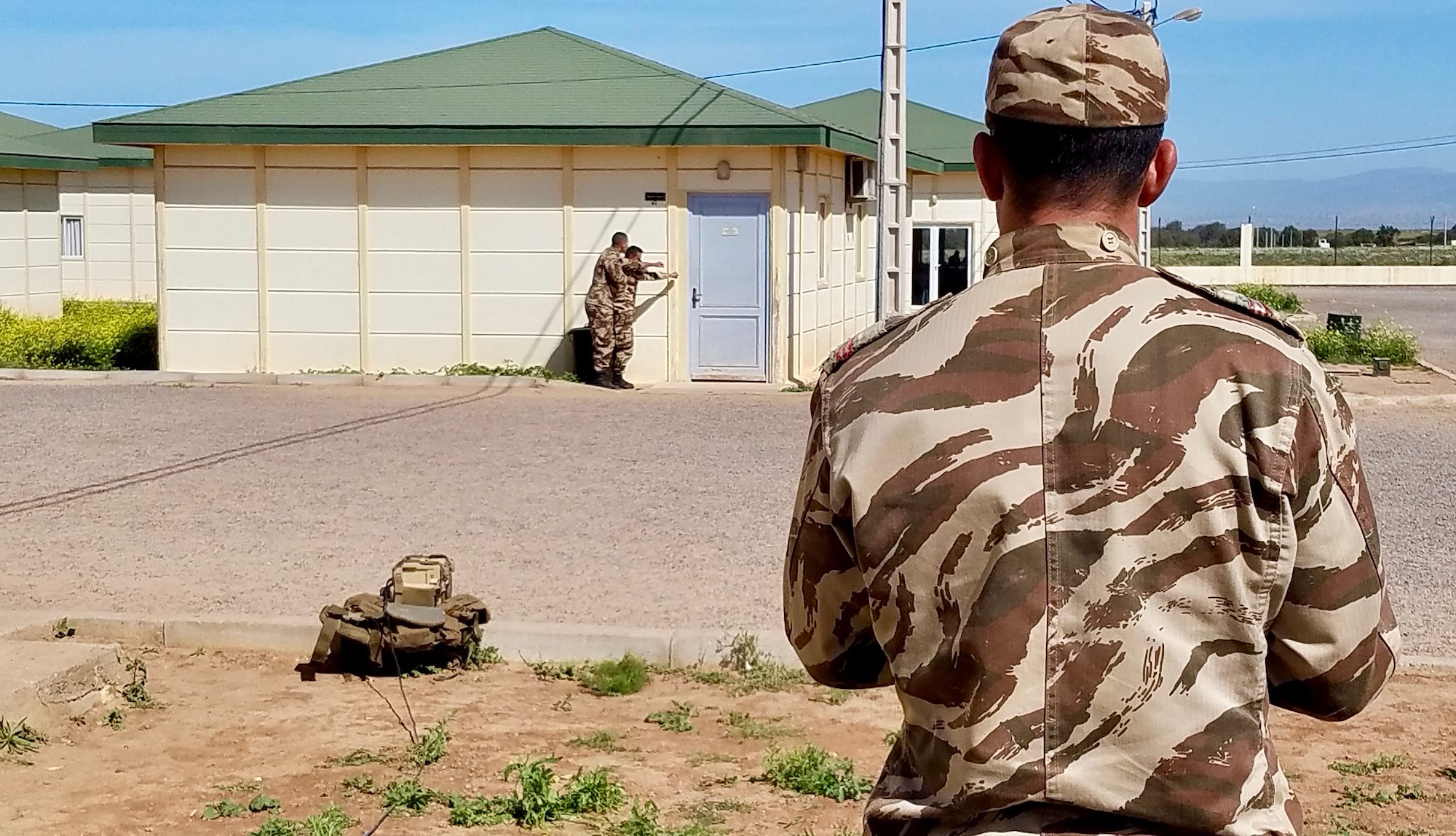
The oldest friendship: U.S. and Morocco, and Flintlock 2017
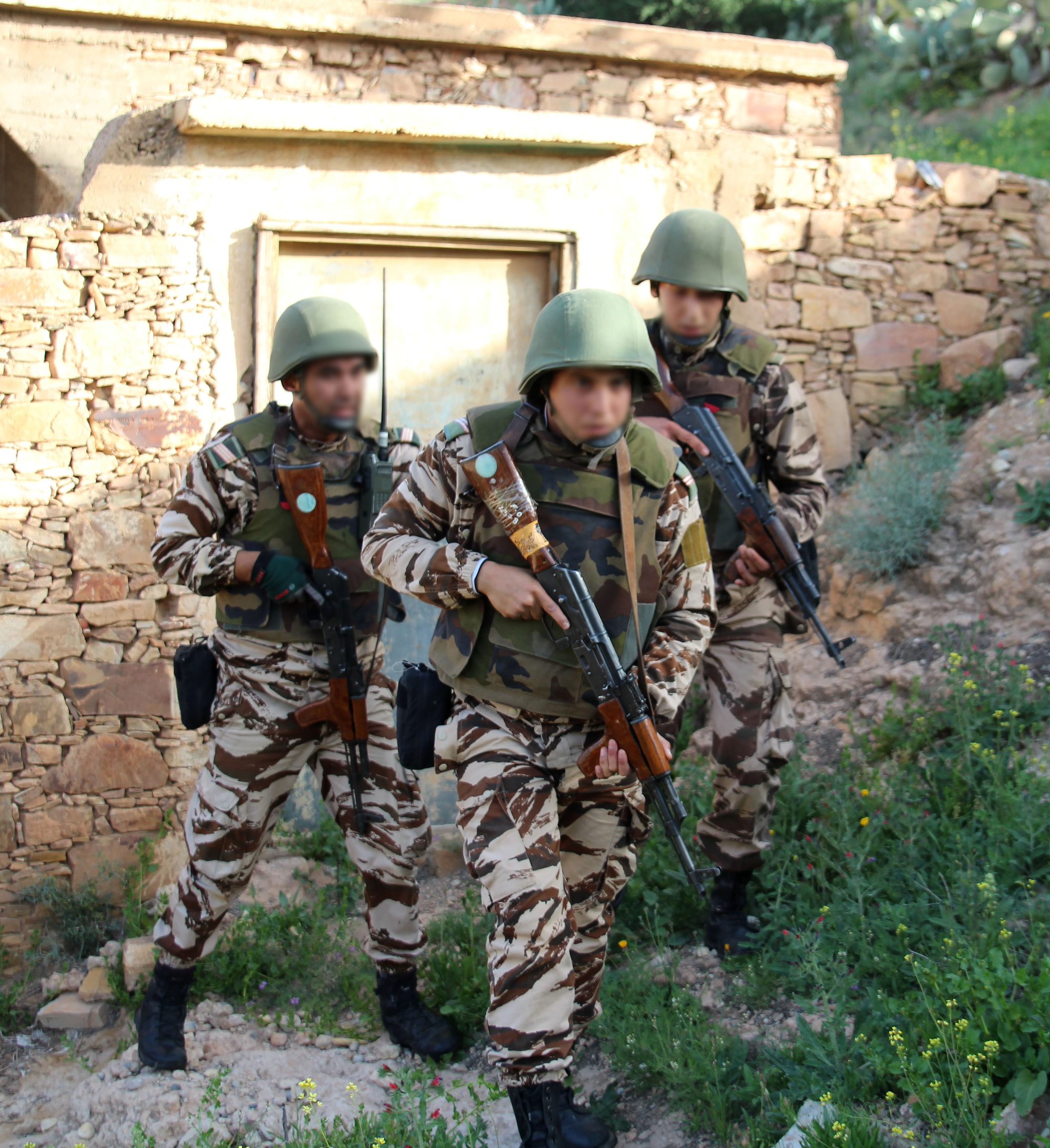
Members of Morocco's special operations forces methodically clear buildings as part of a direct action raid, March 3, 2017, during Exercise Flintlock 2017. The operators partnered with Marines from U.S. Marine Corps Forces, Special Operations Command throughout the exercise to build interoperability and support their common goal of countering violent extremism across the region. (U.S. Marine Corps photo by Maj. Nick Mannweiler/Released)
Photo by: Maj. Nicholas Mannweiler
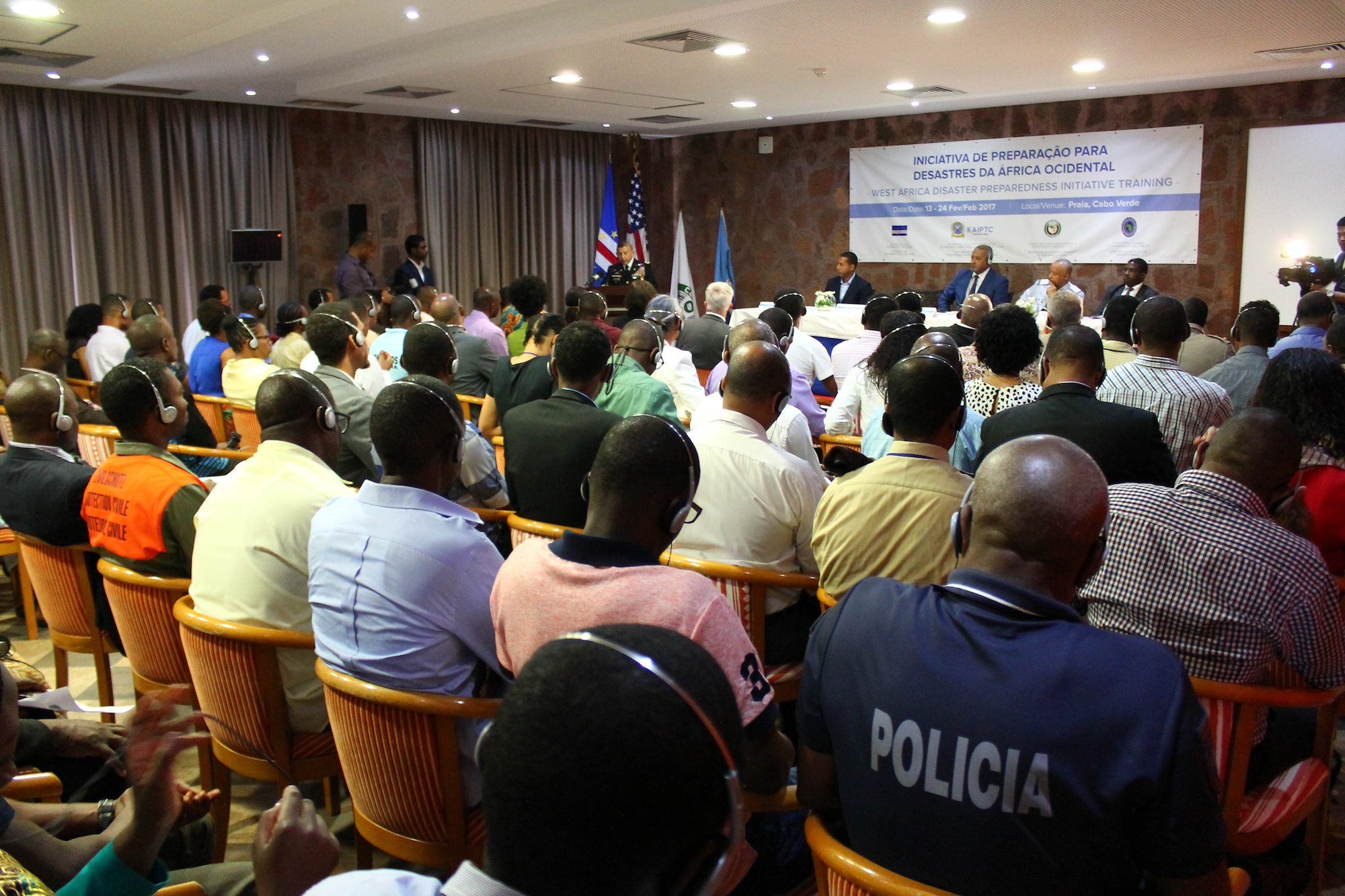
Cabo Verde completes disaster preparedness training
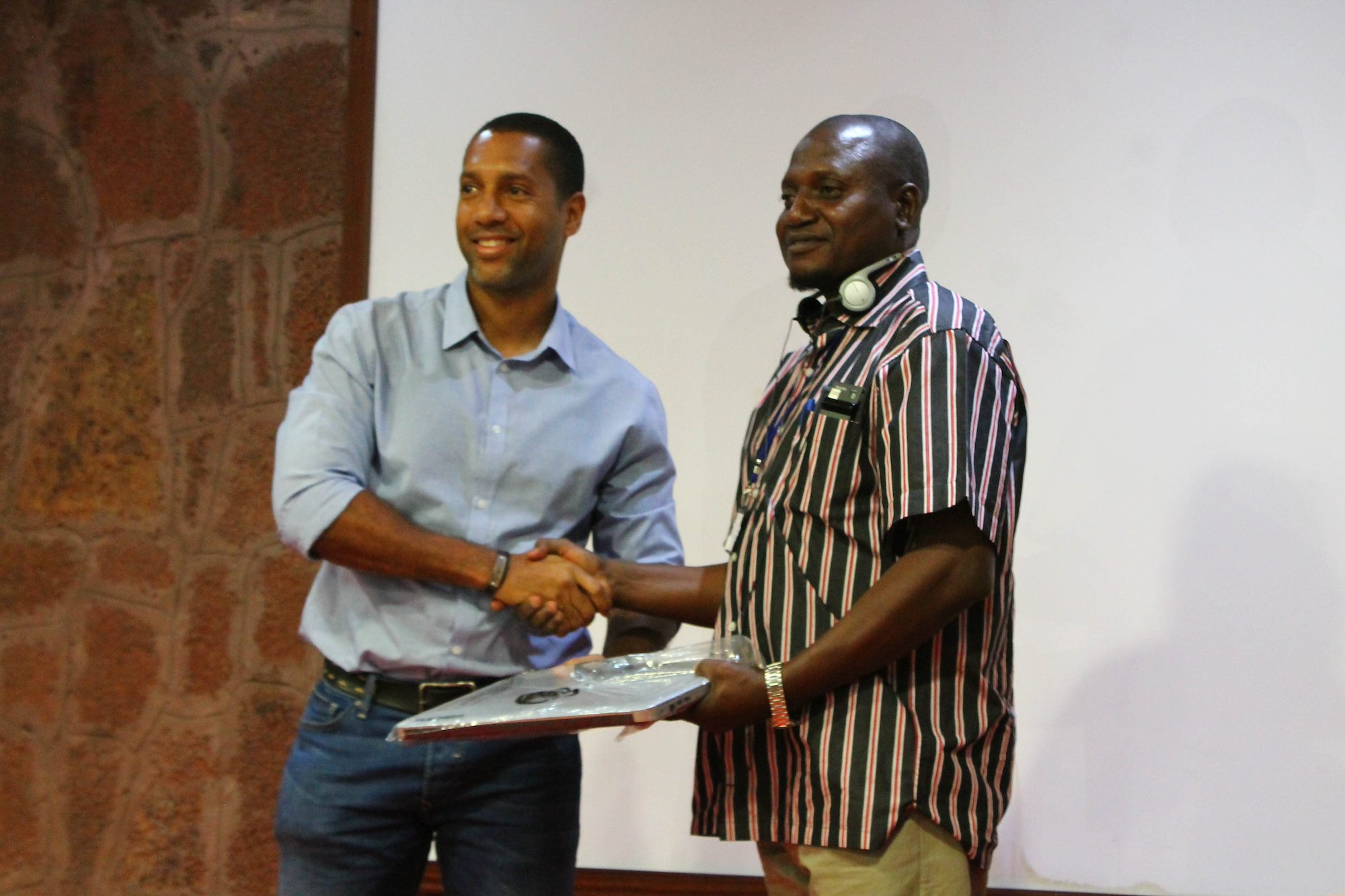
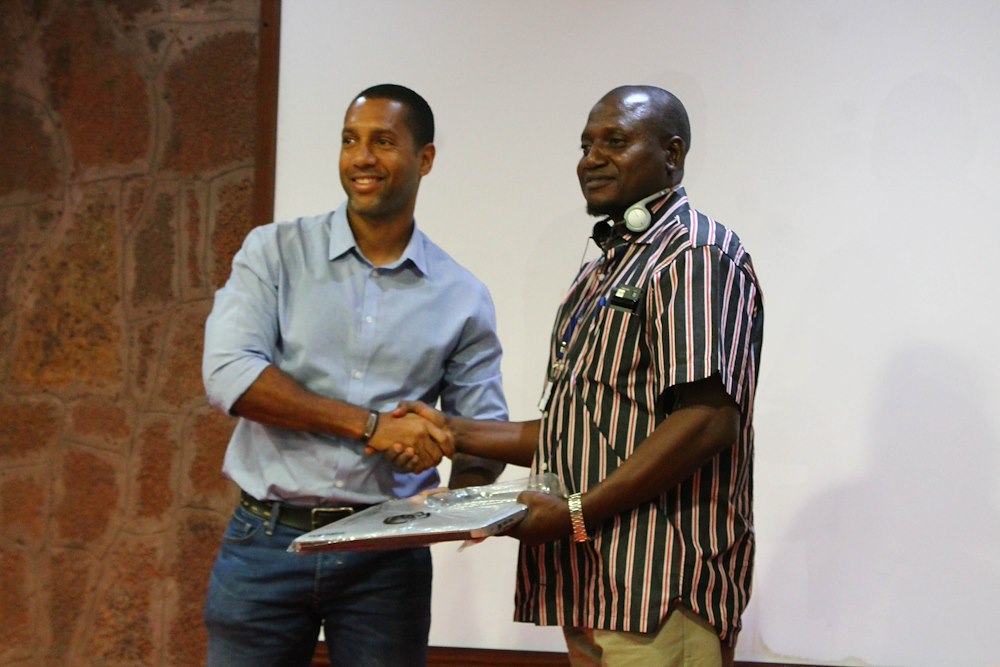
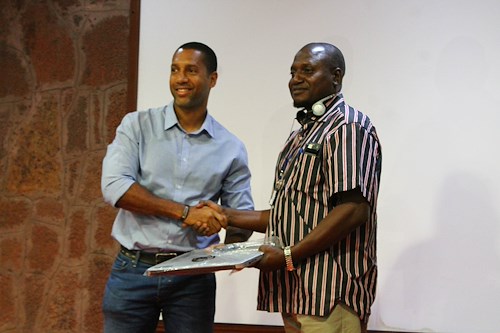
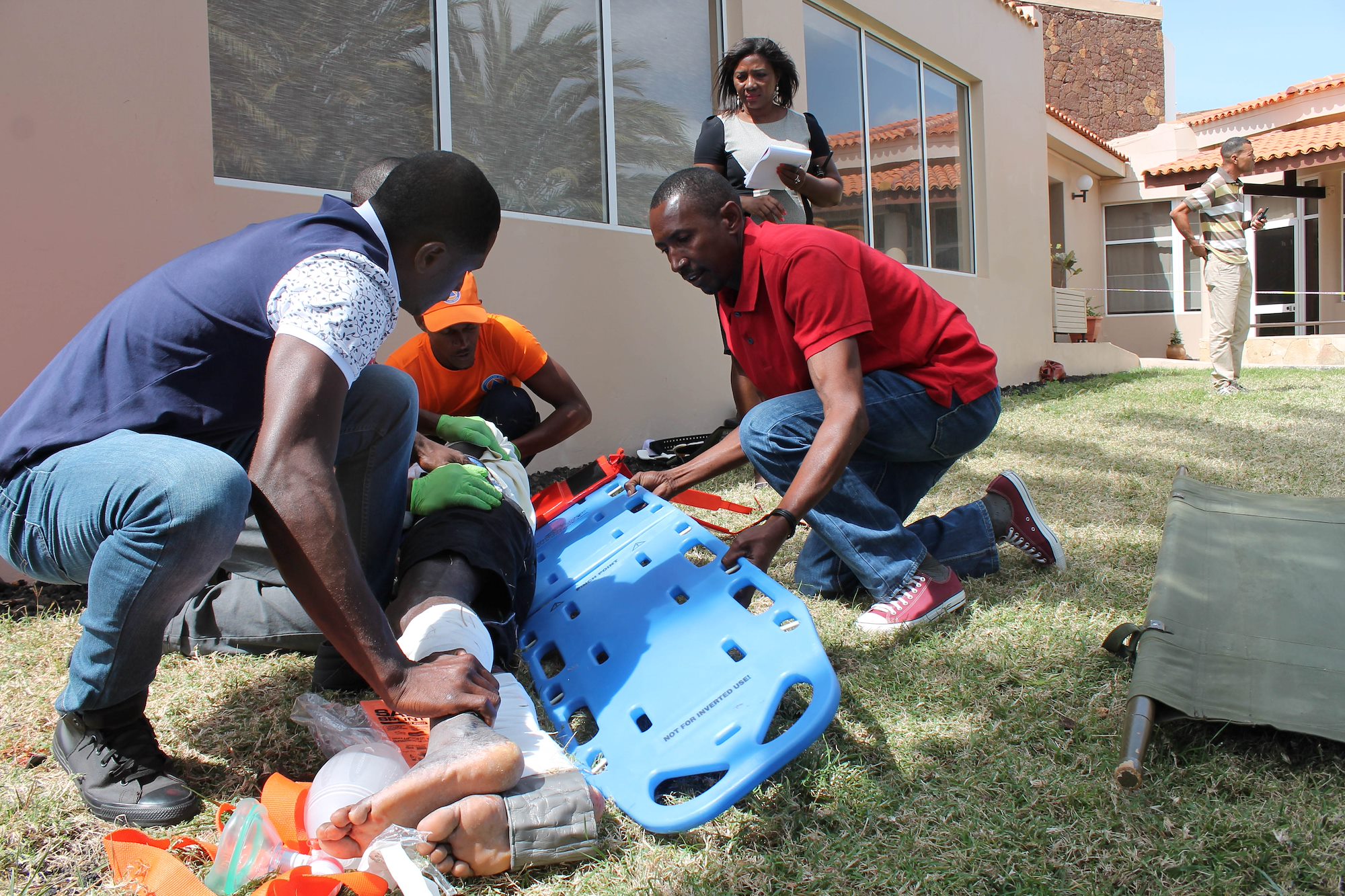
Cabo Verde completed disaster preparedness training, Feb. 13-24, 2017. Cabo Verde became the 15th and final country under the Economic Community of West African States (ECOWAS) commission to successfully complete training and participate in the West Africa Disaster Preparedness Initiative (WADPI) program. WADPI is supported by AFRICOM’s Disaster Preparedness Program, in collaboration with the Kofi Annan International Peacekeeping Training Centre (KAIPTC), ECOWAS and the National Management Organization of Ghana. It is funded by U.S. Defense Security Cooperation Agency Overseas Humanitarian, Disaster, and Civic Aid Appropriation (ODHACA) funds. (Photo by Samantha Reho, U.S. Africa Command Public Affairs/Released)
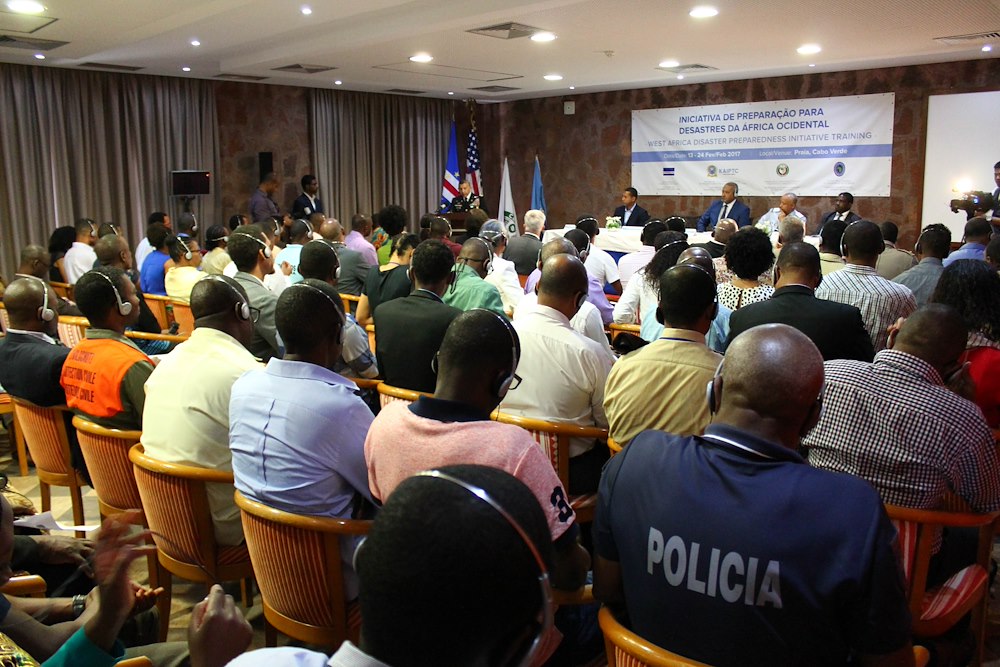
Cabo Verde completes disaster preparedness training
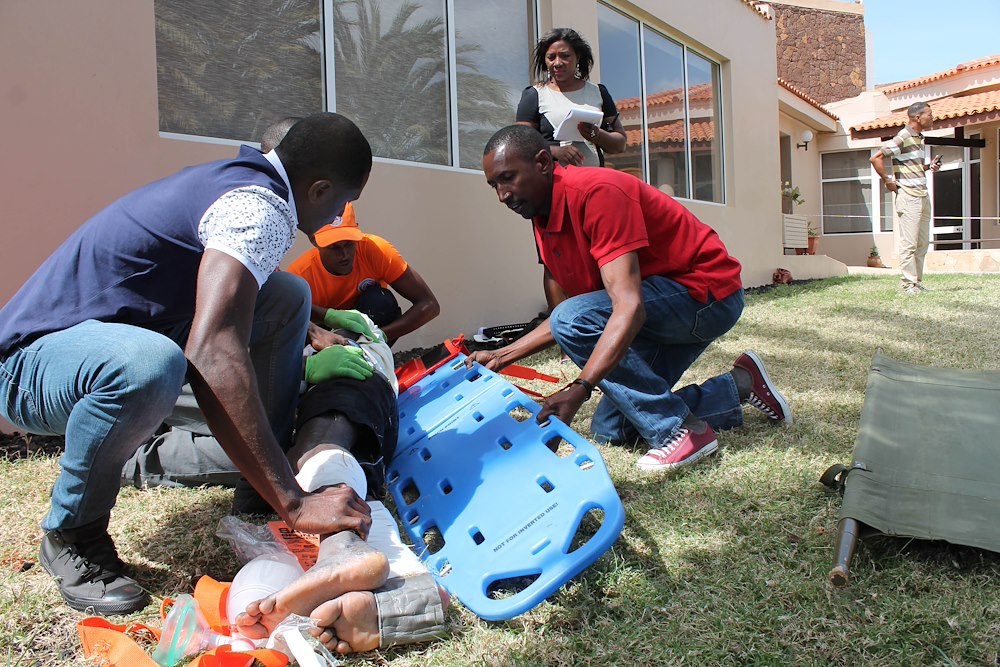
Cabo Verde completed disaster preparedness training, Feb. 13-24, 2017. Cabo Verde became the 15th and final country under the Economic Community of West African States (ECOWAS) commission to successfully complete training and participate in the West Africa Disaster Preparedness Initiative (WADPI) program. WADPI is supported by AFRICOM’s Disaster Preparedness Program, in collaboration with the Kofi Annan International Peacekeeping Training Centre (KAIPTC), ECOWAS and the National Management Organization of Ghana. It is funded by U.S. Defense Security Cooperation Agency Overseas Humanitarian, Disaster, and Civic Aid Appropriation (ODHACA) funds. (Photo by Samantha Reho, U.S. Africa Command Public Affairs/Released)
Cabo Verde completes disaster preparedness training
Cabo Verde completed disaster preparedness training, Feb. 13-24, 2017. Cabo Verde became the 15th and final country under the Economic Community of West African States (ECOWAS) commission to successfully complete training and participate in the West Africa Disaster Preparedness Initiative (WADPI) program. WADPI is supported by AFRICOM’s Disaster Preparedness Program, in collaboration with the Kofi Annan International Peacekeeping Training Centre (KAIPTC), ECOWAS and the National Management Organization of Ghana. It is funded by U.S. Defense Security Cooperation Agency Overseas Humanitarian, Disaster, and Civic Aid Appropriation (ODHACA) funds. (Photo by Samantha Reho, U.S. Africa Command Public Affairs/Released)